Key Points
- New refinery would add 50,000 barrels per day to Pakistan’s refining capacity
- Attock Refinery also plans a $600 million upgrade of its existing plant
- Both projects depend on crude availability, fuel demand and government policy
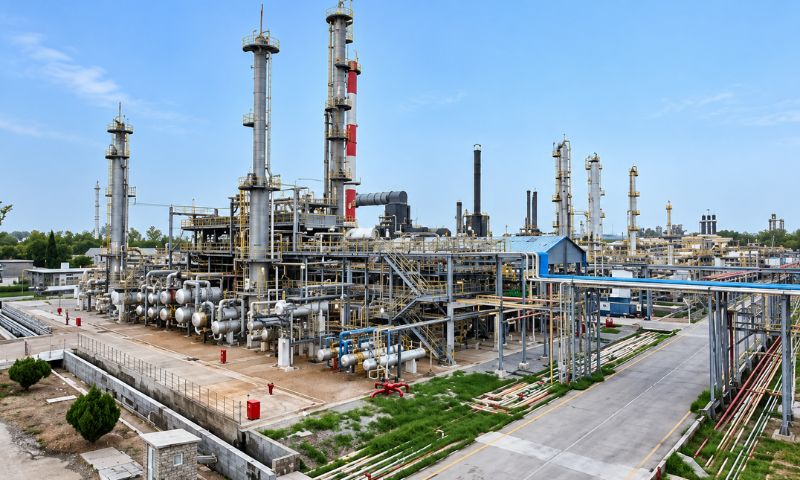
ISLAMABAD: Pakistan’s Attock Refinery Limited (ARL) plans to build a new 50,000-barrels-per-day (bpd) deep-conversion refinery, but the project depends on sustained supplies of locally produced crude from the country’s northern oilfields and government support.
The company revealed the plan in its annual report released on Monday. ARL, a subsidiary of Attock Oil Company Limited, said it would proceed with the proposed greenfield refinery if sufficient quantities of suitable northern crude become available.
ARL currently has a nameplate processing capacity of 53,400 bpd and is the only Pakistani refinery that operates entirely on indigenous crude, according to the annual report.
The refinery supplies petroleum products mainly to Pakistan’s northern region.
Deep conversion refinery
A deep-conversion refinery uses additional processing units to convert heavier, lower-value crude oil components into higher-value products such as gasoline and diesel. This can improve the overall product mix compared with a conventional refinery.
ARL is also working on an estimated $600 million upgrade plan for its existing refinery. The project includes a Continuous Catalyst Regeneration (CCR) unit and a revamp of its Diesel Hydro Desulphurisation (DHDS) unit.
READ ALSO: Pakistan Approves Multi-Billion-Dollar Oil Refinery Upgrades
The CCR unit is intended to improve the octane level of premium motor gasoline and increase gasoline production. Likewise, the DHDS revamp is designed to produce high-speed diesel with sulphur content of no more than 10 parts per million, meeting Euro-V specifications.
The company said its investment plans depend on the availability and quality of local crude, the supply-demand balance for petroleum products, current and future fuel specifications and government policies.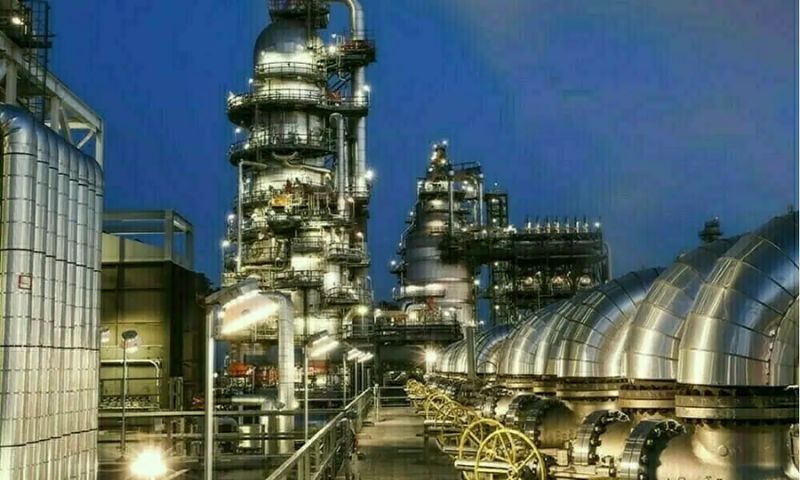
The proposed refinery comes as Pakistan seeks to modernise its ageing refining industry and reduce dependence on imported petroleum products. Several domestic refineries are pursuing major upgrades under the government’s refinery policy, with investments focused on producing cleaner fuels and increasing the share of higher-value products.
For ARL, however, crude supply remains a key constraint. The company has previously highlighted declining crude production, including from northern oilfields that provide much of its feedstock. This makes sustained access to locally produced crude central to any expansion of its refining capacity.
Recently, the Pakistan Economic Coordination Committee (ECC) approved the agreement under the Pakistan Oil Refining Policy for Upgradation of Existing and Brownfield Refineries, allowing refinery operators to proceed with planned investment projects.
The government estimates that the upgrades could attract around $6 billion in investment across five major refineries.
Refinery Modernisation Plan
Pakistan’s five refineries currently have a combined crude processing capacity of around 350,000 barrels per stream day but require major investment to improve fuel quality and reduce production of lower-value furnace oil.
The Brownfield Refining Policy, introduced in 2023 and amended in August 2026, provides incentives for existing refineries to modernise facilities, produce cleaner Euro-V fuels and improve efficiency.
The approved agreement will establish a framework for implementing and monitoring refinery upgrade projects, with completion targeted within five years.
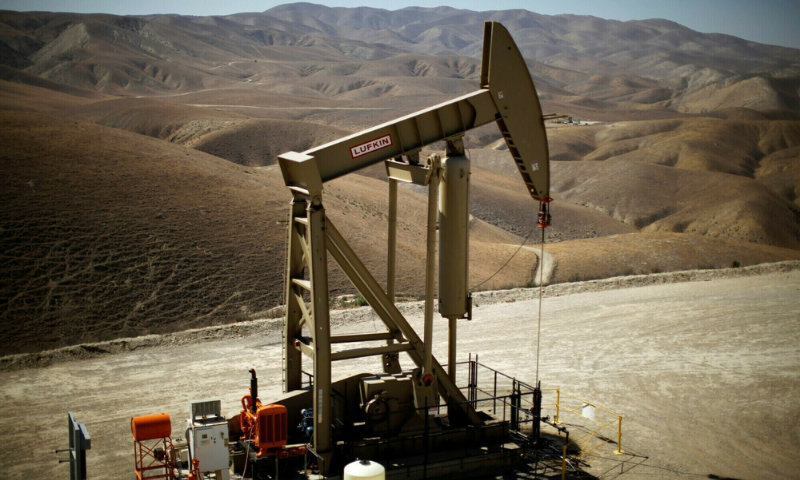
The projects involve Pak-Arab Refinery Ltd., Attock Refinery Ltd., National Refinery Ltd., Cnergyico Pakistan Ltd. and Pakistan Refinery Ltd.
Officials said the upgrades are expected to bring domestic fuel production closer to international standards and help reduce dependence on imported petroleum products.
Industry representatives said refinery operators had been waiting for implementation of the upgrade policy to move forward with investment plans.
Analysts said modernisation would help improve the competitiveness of domestic refineries while supporting the production of higher-quality fuels.
The government said the agreement will also help create a more sustainable framework for refinery development and strengthen Pakistan’s energy sector.
Recently, three of the five refineries have signed agreements for upgrade plans