


Key Points
- Deceased traced to Paktia Province, Afghanistan
- Reported condolence gathering confirms local origin
- Pakistan reiterates concerns over attacks originating across the border
ISLAMABAD: Pakistan has identified a terrorist killed during heavy snowfall along the Bajaur–Kunar border as an Afghan national, in reinforcement of Islamabad’s repeated claims that terrorist attacks are facilitated from across the border.
The deceased, Rasool Muhammad alias Hamas, son of Yar Muhammad, was a resident of Khwajarakhailo village in Ahmadabad district of Paktia Province, Afghanistan, according to security sources familiar with the identification process.
Update: An another militant who died during snowfall along the Bajaur–Kunar Border has been identified as an Afghan national, Rasool Muhammad alias Hamas. He was the son of Yar Muhammad and a resident of Khwajarakhailo village in Ahmadabad district, Paktia province, Afghanistan.… https://t.co/GMf2lvAfrh pic.twitter.com/OLy0o8eCVP
— Mahaz (@MahazOfficial1) April 20, 2026
Identification strengthens Pakistan’s position
Officials in Pakistan said the confirmation adds to a broader pattern cited by Islamabad in which individuals involved in terrorist activity along the western frontier are traced back to Afghan territory.
The case gained further clarity after reports of a condolence gathering at a local mosque in the terrorist’s home village in Afghanistan, indicating his local identity and community ties.
Longstanding border security concerns
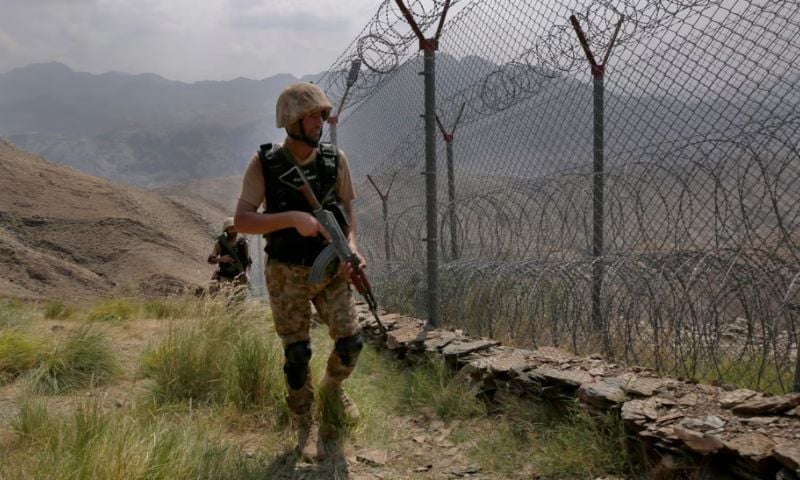
Pakistan has repeatedly alleged that terrorist groups use Afghan soil as a staging ground for cross-border attacks, particularly in the rugged and sparsely monitored regions adjoining Bajaur and Kunar.
Security officials say the mountainous terrain, combined with seasonal challenges such as snowfall, continues to complicate surveillance and border enforcement along the frontier. “Pakistan’s hostile neighbour, India, also leaves no stone unturned in facilitating Afghan terrorists’ intrusions for terrorist activities,” the officials said.
Regional implications
The latest identification is likely to add weight to Islamabad’s diplomatic messaging that stronger action is needed on the Afghan side to prevent the use of its territory for attacks targeting Pakistan.
Officials argue that without sustained cooperation and enforcement, infiltration attempts and terrorist movement across the border are likely to persist, keeping bilateral security tensions elevated.