BERLIN: In a significant development supporting Ukraine’s resistance against the ongoing Russian invasion, a European country has procured dozens of second-hand Leopard-1 tanks from Belgium.
Tanks sold off as obsolete are now in demand as Ukraine’s Western supporters seek to provide more weapons to fight Russia.
The transaction was orchestrated by a prominent arms trader who shed light on the deal.
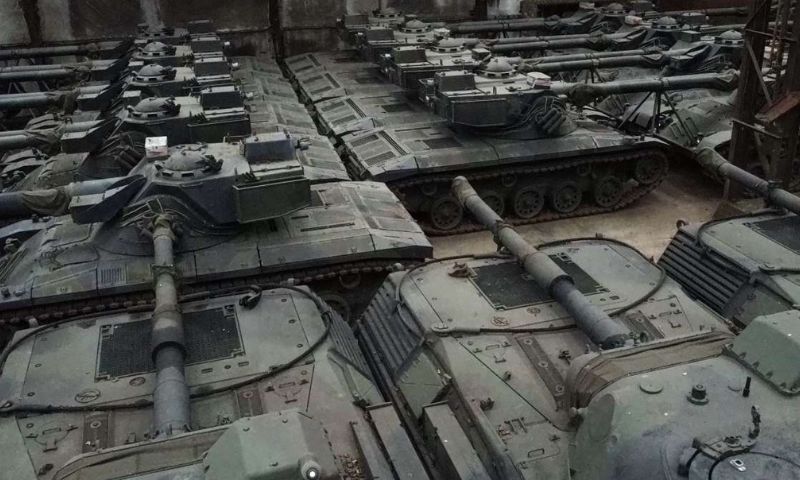
These German-manufactured Leopard-1 tanks had previously stirred controversy earlier this year when Belgium’s Defense Minister, Ludivine Dedonder, announced contemplation of repurchasing outdated tanks to support Ukraine. However, exorbitant price quotes deterred this prospect. This incident spotlighted a dilemma encountered by Western governments grappling with the challenge of sourcing weaponry for Ukraine amid a relentless year-long conflict. Surprisingly, the very arms they had discarded as obsolete are now in heightened demand, often under private ownership.
The mastermind behind this transaction, Freddy Versluys, the CEO of defence corporation OIP Land Systems, revealed that over five years ago, he procured the antiquated tanks from the Belgian government. On Tuesday, Versluys disclosed that he had successfully sold all 50 of these tanks to an undisclosed European nation. The confidentiality clause precluded him from naming the country or divulging the transaction’s financial aspects.
This development underscores the fluidity of international arms trade and its impact on the dynamics of global conflicts. The transfer of these Leopard 1 tanks, steeped in military history, is indicative of a pragmatic approach in providing Ukraine with essential assets for its defence. This not only showcases the adaptability of nations in reevaluating their military strategies but also highlights the shift in the value assigned to supposedly outdated equipment.
Moreover, the transfer of these Leopard 1 tanks is part of a broader initiative. Several of Kyiv’s Western allies had earlier committed to sending a combination of modern Leopard 2 tanks and older Leopard 1 models to Ukraine. This concerted effort aims to bolster Ukraine’s capabilities against the well-equipped Russian forces, providing a more level playing field.
The reintegration of these tanks into active service marks a potent symbol of resilience and solidarity in the face of adversity. The tanks’ journey from being phased out by one nation to becoming a pivotal asset for another reflects the intricate web of military geopolitics and the fluidity of alliances. As the conflict in Ukraine persists, the adaptive repurposing of assets further underscores the international community’s shared commitment to upholding stability and security.