PARIS: After the recent mutiny staged by Wagner founder Yevgeny Prigozhin in Russia, questions have arisen about the group’s future in Africa, where it has gained both wealth and notoriety. Despite the internal rebellion, Wagner’s geopolitical and economic influence is likely to allow it to persist on the continent in some form or another.
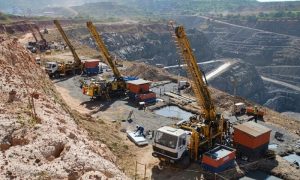
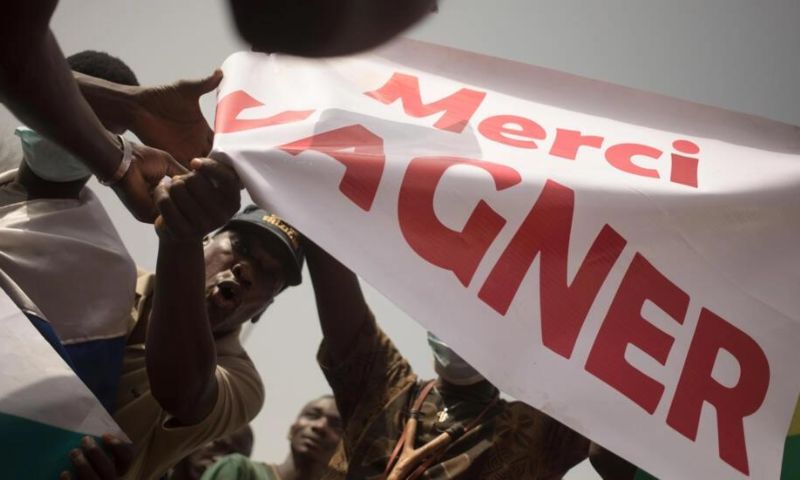
Wagner, which operates openly in at least four African countries, has been known to support fragile regimes in exchange for access to valuable natural resources. In Mali, the paramilitary group provides a range of services, including protecting the current regime, conducting military operations and training, and advising on mining laws and constitutional matters. In Sudan, it has been linked to the illegal gold trade and maintains contact with the Rapid Support Forces.
In the Central African Republic (CAR), Russian paramilitaries have been supporting President Faustin Archange Touadera since 2018, securing concessions to exploit gold, diamonds, and other minerals. In Libya, Wagner is closely aligned with strongman Khalifa Haftar, deploying troops to protect military bases and oil installations.
Accusations Against Wagner Group
Despite its activities, Wagner faces international scrutiny and accusations of atrocities and resource looting in Africa. The United States has imposed sanctions on Prigozhin and labeled Wagner a transnational criminal organization. The European Union has also announced new sanctions against several Wagner leaders in the CAR after accusations of violence.
Created as an African proxy army for Russia, Wagner allows Moscow to maintain plausible deniability about its involvement in operations. However, the mutiny may prompt a reassessment of Wagner’s model and its future on the continent. While Russia may try to impose a more loyal figure at the group’s helm or replace it with another outfit offering similar services, Wagner’s business concept could endure. African governments have a history of using mercenaries to compensate for their armies’ weaknesses, making the region an attractive place for such activities.