
Key Points
- US crude inventories fell 2.09 million barrels last week
- Saudi Arabia’s East-West pipeline is pumping 5.8 million barrels daily
- Middle East crude shipments have risen despite security risks
ISLAMABAD: Oil prices rose on Wednesday as a storm threatening US production in the Gulf of Mexico and persistent tensions around the Middle Eastle East revived supply concerns, pushing Brent crude above $101 a barrel.
Brent crude futures rose 93 cents, or 0.92 per cent, to $101.51 a barrel, while US West Texas Intermediate (WTI) crude gained 82 cents, or 0.92 per cent, to $90.25. Both benchmarks extended gains after settling little lower in the previous session.
The immediate concern is a storm developing in the Gulf of Mexico that US forecasters expect to become the first Atlantic hurricane of 2026 within two days.
Offshore areas in its projected path account for about 15 per cent of US crude production and 5 per cent of natural gas output.
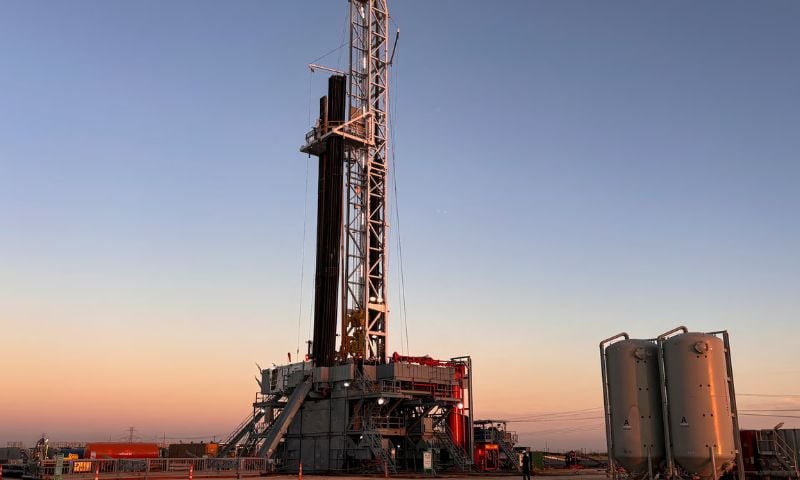
The storm could also affect six refineries. Refineries in US Gulf states account for about half of total US refining capacity of 18.2 million barrels per day, raising the risk of disruptions to both crude production and fuel supplies.
The market received additional support from a decline in US crude inventories. Data from the American Petroleum Institute showed crude stocks fell by 2.09 million barrels in the week ended October 2, adding to concerns about near-term supply constraints.
Middle East tensions keep oil above $100
In the Middle East, attacks on Saudi Arabia’s airports in Jazan and Najran have heightened concerns over energy infrastructure and regional security as fighting between a coalition-backed Yemeni government forces and Yemen’s Houthis intensifies.
Oil prices climbed around 1% on Wednesday, as a rapidly developing Gulf of Mexico storm threatened U.S. production and refining infrastructure, while renewed attacks in Saudi Arabia kept Middle East supply risks in focus.
As of 5:35 GMT, Brent crude rose 1.04% to $101.63 a barrel, while WTI gained 0.89% to $90.24.
#Oil #Brent #WTI #Energy #Markets
— Economy Middle East (@Economy_ME) October 7, 2026
The attacks came as the coalition forces pressed an offensive against the Houthis by increasing airstrikes in support of the campaign. The escalation has added a fresh risk premium to oil prices even as physical crude shipments from the region have improved.
Saudi Energy Minister Prince Abdulaziz bin Salman said oil flows through the kingdom’s East-West pipeline had reached 5.8 million barrels per day. The pipeline links Saudi oil fields to the Red Sea export hub of Yanbu and provides an alternative route for shipments when Gulf shipping faces disruption.
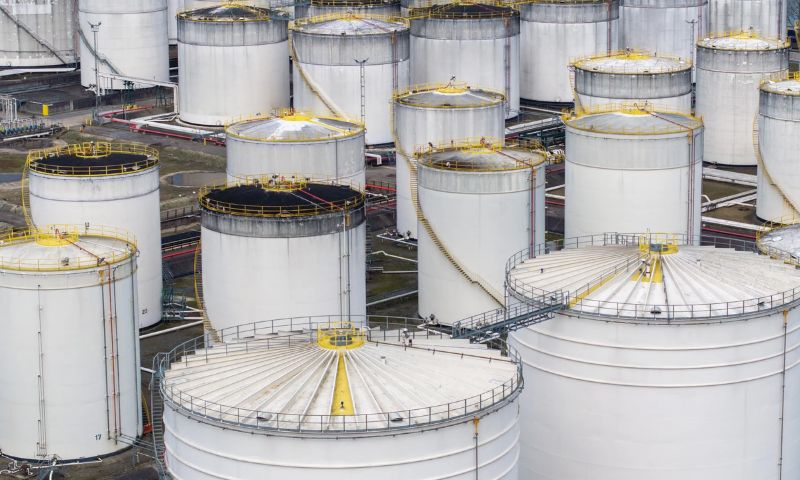
An estimated 12 million barrels per day of crude and 2 million barrels per day of refined products have also left the Middle East on tankers over the past seven to 10 days, according to Vitol Chief Executive Russell Hardy. The stronger flows have helped prevent a sharper supply squeeze.
READ ALSO: Oil Edges Lower But Stays Above $100 Over Divergent Sentiments
However, the security situation remains a major source of uncertainty. Oil shipments through the Middle East have recovered to high pre-war levels. However, tanker attacks and elevated shipping risks continue to threaten the reliability and cost of moving crude through the region.
The US Energy Information Administration said heightened risks for tankers operating in the region have increased shipping costs and the risk premium embedded in oil prices.
It expects continued disruption to Middle Eastern oil flows to keep prices volatile until inventories can be rebuilt.
Competing forces: improved Middle Eastern exports and renewed threats to production and transportation are keeping the market above the psychologically important $100 level.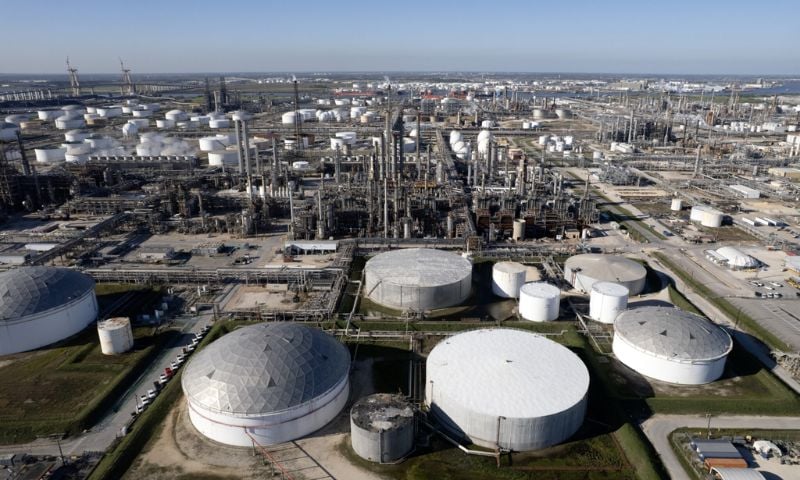
For oil-importing countries, sustained prices above $100 a barrel could keep transport and energy costs high. They would ultimately increase inflationary pressure and widen trade deficits. For producers, however, higher prices provide additional export revenues while raising the value of alternative supply routes.
The market will now focus on the Gulf of Mexico storm’s impact on US production and refining operations. The trader will also watch the Middle East situation, especially Houthi attacks on Saudi Arabia.