NEW DELHI: India recorded its highest September power deficit in nearly a decade as weak monsoon rains reduced hydropower availability and hot weather drove electricity demand higher, according to an analysis of grid data.
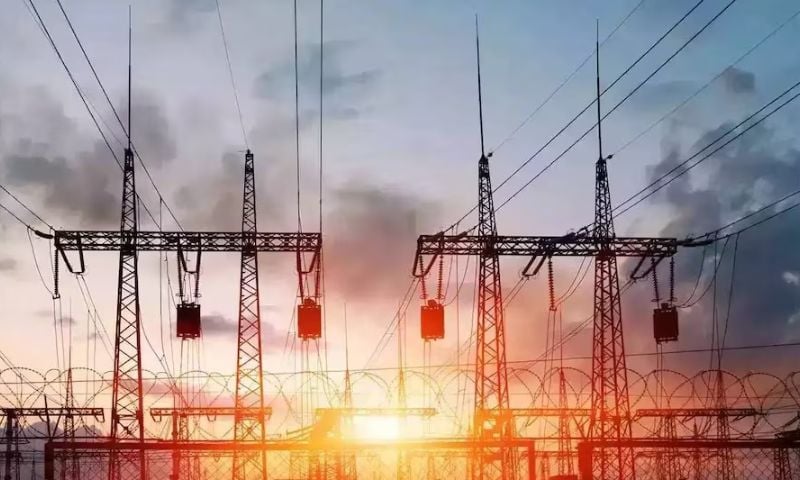
Daily peak power shortages during evening hours crossed 2 gigawatts on more than half of the days in September and at times exceeded 6 gigawatts, highlighting pressure on the country’s electricity system during a period of elevated demand.
The combined energy shortage for the month was the highest for September since 2017, as lower rainfall affected water levels needed for hydroelectric generation while temperatures kept demand elevated.
Hydropower output affected by rainfall shortfall
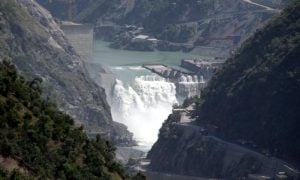
India’s 2026 monsoon season ended with rainfall below normal levels, reducing water availability in reservoirs that support hydropower generation. The country received around 13% less rainfall than normal between June and September, contributing to weaker hydro output.
ALSO READ: Terrorism Inside Pakistan is 100% Supported & Funded by Indian Intelligence: US Sikh Leader
Hydropower generation declined as reservoirs faced reduced inflows, increasing dependence on other sources to meet electricity demand.
Rising demand adds grid pressure
Electricity consumption increased as warmer conditions drove higher cooling demand, including greater use of air conditioning. India recorded strong growth in power demand during September, adding further pressure on supply systems.
Coal-based power plants continued operating at high levels to help bridge the gap, but shortages remained during peak evening periods when demand was high and solar generation was no longer available.
Energy challenges continue
The September deficit highlights the challenges India faces in balancing rising electricity consumption with weather-dependent power sources.
The country has expanded renewable energy capacity in recent years, but fluctuations in rainfall, heat conditions and changing demand patterns continue to test grid management and supply reliability.
Officials and energy planners are focusing on improving storage capacity, strengthening transmission networks and diversifying energy sources to manage future demand growth.