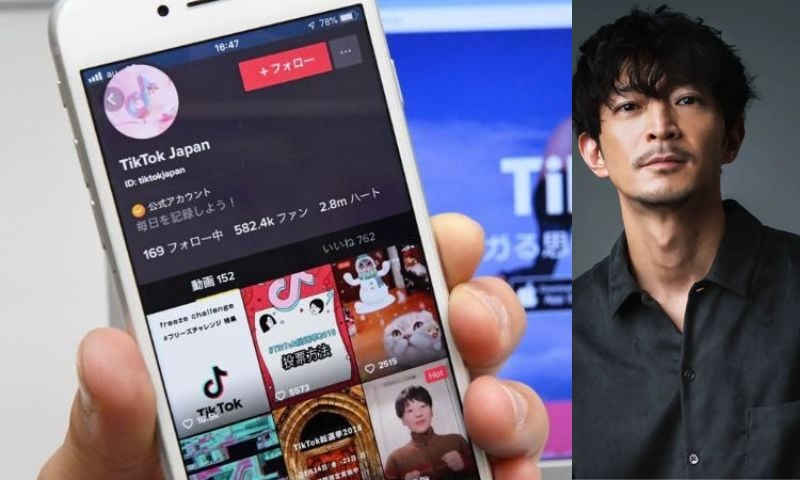
TOKYO, JAPAN: A Tokyo court ruled Wednesday that a person’s voice can be protected under publicity rights in Japan, in a landmark case brought by anime voice actor Kenjiro Tsuda over the alleged use of an artificial intelligence-generated imitation of his voice on TikTok.
Presiding judge Aya Takahashi said the unauthorised use of a performer’s voice could constitute an infringement of publicity rights, particularly when the voice is used to exploit its commercial appeal.
The ruling marks a significant development in Japan’s emerging legal debate over AI-generated voice cloning. However, the court dismissed Tsuda’s request for the removal of the videos because the anonymous account responsible had already taken them down several months after the lawsuit was filed.
Tsuda, 55, who is known for roles in major franchises including Jujutsu Kaisen and Yu-Gi-Oh!, had argued that a series of TikTok videos used an AI-generated voice closely resembling his distinctive deep and mellow voice.
TikTok disputed the claim, arguing that the voice was a generic male voice and that any perceived similarity to Tsuda’s voice was subjective, according to court records.
The lawsuit is believed to be Japan’s first case seeking to protect an individual’s vocal identity from an AI-generated copy.
The case centred on more than 180 videos posted by an anonymous account featuring narration on urban legends, occult subjects and conspiracy theories.
READ ALSO: Gunman Who Killed Japan’s Ex-PM Shinzo Abe Jailed for Life
The account had more than 200,000 followers at its peak and generated hundreds of thousands of yen in monthly revenue, according to Tsuda’s legal complaint.
Tsuda’s lawyers argued that the account’s popularity was driven in part by the distinctive voice used in the videos and that its commercial use infringed his publicity rights.
The ruling comes as Japan grapples with the growing use of generative AI to reproduce performers’ voices. In recent months, government experts have also backed legal protection for the voices of public figures under publicity rights.
Japanese voice actors have raised concerns that unauthorised AI cloning could undermine their livelihoods and the country’s influential animation industry.
Tsuda’s lawyer, Takashi Hirano, said the ruling ultimately left both sides with grounds to claim some success, given that the court recognised the potential protection of a performer’s voice while rejecting the request to remove the videos.