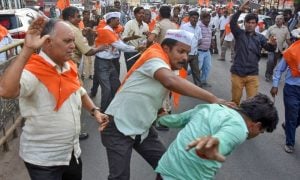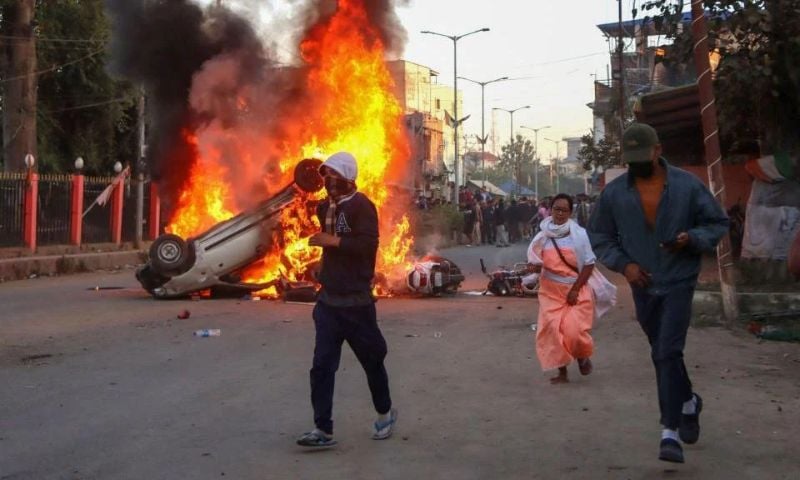
IMPHAL, India: Six more people, including four women, have been killed in four days of fresh ethnic violence between Kuki-Zo and Naga communities in India’s northeastern state of Manipur, deepening insecurity in the region more than three years after the ethnic conflict began.
Kuki communities have alleged that Naga community members were behind the latest attacks.
The violence has disrupted road links to several hill districts and left residents fearful of leaving their homes. Schools and markets in affected areas have remained closed for about a week, while access to medical care has also been disrupted.
Residents said people were staying indoors even during the day because of fears of further attacks.
Roads blocked, supplies disrupted in Manipur
Clashes were reported on Wednesday between local Kuki residents and Indian security forces in Kangpokpi district, according to Indian media reports. Security forces have since increased restrictions on movement.
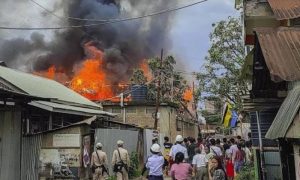
Blockades have also affected roads and highways. Residents said private vehicles were unable to travel. People seeking to reach hospitals or the airport may need permission from local authorities.
The disruption has also affected supplies of essential goods.
Margaret, 53, a resident of Kangpokpi, said basic commodities had become difficult to obtain despite better access to supplies in the district headquarters, according Bhaskar English media outlet.
Also Read: Ethnic Violence Continues in India’s Manipur State as Two More Women Killed
She said sugar was selling for 400 to 450 Indian rupees per kilogram in some villages.
Another resident, David, 35, said people were unable to work in their fields because of fears of sudden gunfire.
Six killed in latest violence
The latest killings followed attacks on Kuki settlements in parts of Manipur’s hill districts.
Four Kuki civilians, including two women, were killed in separate attacks on September 13 in Tamenglong and Noney districts, according to Indian media reports. Two more Kuki-Zo women were killed in an attack two days later in Tamenglong district.
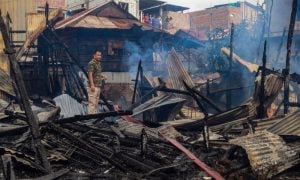
Kuki organisations have blamed Naga armed groups for the attacks.
The renewed fighting marks a shift in the pattern of Manipur’s ethnic conflict, which initially centred largely on clashes between the predominantly Hindu Meitei community and the predominantly Christian Kuki-Zo tribal community.
Violence between Kuki-Zo and Naga communities has intensified since February, adding another layer to the state’s security crisis. Human Rights Watch said earlier this month that at least seven people had been killed in late August in violence between the two groups and that 34 had died in clashes between them since February.
The United Naga Council, a major Naga organisation, has also imposed an economic blockade, according to Indian media reports.
Its secretary, H. James Hau, said people travelling on highways would have to obtain permission before passing through areas under the organisation’s control.
Supreme Court questions unnatural deaths
India’s Supreme Court on Thursday expressed shock over deaths among internally displaced people living in relief camps in Manipur and directed the state’s chief secretary to provide details of investigations and steps taken to protect those living in the camps.
The court was considering information submitted by a committee, which has been overseeing relief and rehabilitation efforts in the state.
The bench questioned why post-mortems had been conducted in only 20 of 34 reported deaths. It also questioned the payment of only 20,000 to 30,000 rupees in compensation in cases involving unnatural deaths.
The court directed the Manipur Legal Services Authority to ensure that first information reports are registered in cases of unnatural deaths and that investigations are pursued.
More than 300 killed since 2023
The broader ethnic conflict erupted on May 3, 2023, after a tribal solidarity march in Manipur’s hill districts over a demand by the majority Meitei community for Scheduled Tribe status.
More than 300 people have been killed since the conflict began, while tens of thousands have been displaced.
Many displaced people continue to live in relief camps or temporary shelters, relying on aid for food, healthcare and other essential services.
BJP government faces security test
The latest killings have also renewed questions over the BJP-led state government’s ability to contain the violence and protect civilians.
Yumnam Khemchand Singh became chief minister on February 4 after a period of federal rule that followed the resignation of N. Biren Singh. The new government was formed after President’s Rule ended and included representatives from the state’s major communities.
The change in government was followed by renewed violence involving Kuki-Zo and Naga groups.
Manipur Home Minister Govindas Konthoujam said on September 14 that violence would not be allowed to derail the state’s efforts towards peace and normalcy.
But the latest attacks have drawn renewed criticism from Kuki-Zo organisations. Thadou Inpi Manipur said the killings demonstrated a failure by authorities to protect civilians.
Prime Minister Narendra Modi has also faced criticism from opposition figures, civil society groups and sections of the public over the central government’s handling of the crisis.
Modi visited Manipur in September 2025, his first visit to the state since the violence began in May 2023.