
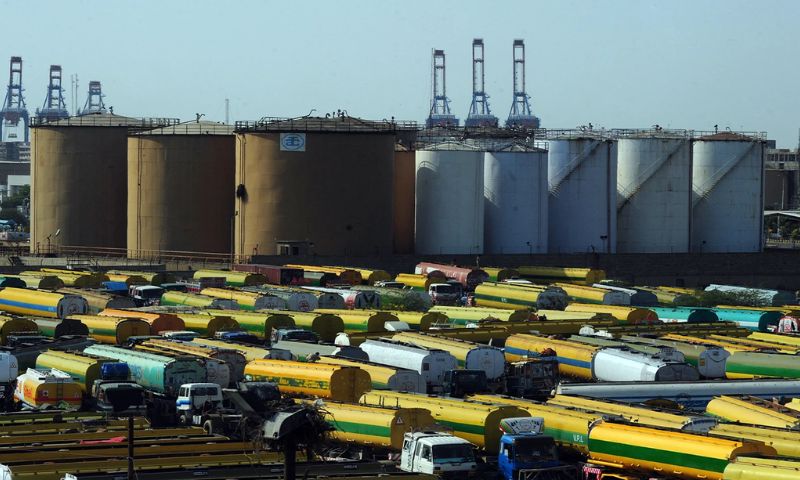
KARACHI: Pakistan’s top economic decision-making body has approved a draft agreement paving the way for multi-billion-dollar upgrades of five oil refineries as the country moves to modernise its ageing energy infrastructure.
The Economic Coordination Committee (ECC) approved the agreement under the Pakistan Oil Refining Policy for Upgradation of Existing and Brownfield Refineries, allowing refinery operators to proceed with planned investment projects.
The government estimates that the upgrades could attract around $6 billion in investment across five major refineries.
Refinery Modernisation Plan
Pakistan’s five refineries currently have a combined crude processing capacity of around 350,000 barrels per stream day but require major investment to improve fuel quality and reduce production of lower-value furnace oil.
The Brownfield Refining Policy, introduced in 2023 and amended in August 2026, provides incentives for existing refineries to modernise facilities, produce cleaner Euro-V fuels and improve efficiency.
The approved agreement will establish a framework for implementing and monitoring refinery upgrade projects, with completion targeted within five years.
Energy Sector Goals
The projects involve Pak-Arab Refinery Ltd., Attock Refinery Ltd., National Refinery Ltd., Cnergyico Pakistan Ltd. and Pakistan Refinery Ltd.
Officials said the upgrades are expected to bring domestic fuel production closer to international standards and help reduce dependence on imported petroleum products.
ALSO READ: Pakistan Pavilion Attracts Large Number of Visitors at Abu Dhabi International Book Fair 2026
Pakistan imported $16.9 billion worth of petroleum products, crude oil, liquefied petroleum gas and liquefied natural gas during the previous fiscal year, according to Pakistan Bureau of Statistics data.
Investment Outlook
Industry representatives said refinery operators had been waiting for implementation of the upgrade policy to move forward with investment plans.
Analysts said modernisation would help improve the competitiveness of domestic refineries while supporting the production of higher-quality fuels.
The government said the agreement will also help create a more sustainable framework for refinery development and strengthen Pakistan’s energy sector.