NEW DELHI: An analysis of developments reported by Indian media has highlighted growing concerns over the treatment of religious minorities in India, citing cases of prolonged detention, violence, legal restrictions and discriminatory measures against Muslims, Christians, Sikhs and Dalits.
The findings point to concerns over the use of counterterrorism laws, anti-conversion legislation, demolition of religious places and other measures that rights groups say have disproportionately affected minority communities.
Prolonged detention and judicial delays
India’s criminal justice system has a large population of people awaiting trial. According to National Crime Records Bureau data for 2023, undertrials accounted for 73.5% of the country’s prison population.
Muslims made up 20.1% of undertrials and Sikhs 5.3%, compared with their much smaller shares of India’s overall population, according to an analysis of NCRB data.
The judicial backlog has also remained substantial. As of July 30, 2026, nearly 50 million cases were pending in district and subordinate courts, while another 6.47 million were pending in the High Courts, according to data from India’s National Judicial Data Grid.
More than 11.7 million cases across the Supreme Court, High Courts and lower courts had been pending for more than 20 years as of July 16.
The prolonged detention of activist Umar Khalid without conviction has become a prominent example of India’s use of security legislation. Umar Khalid was arrested in 2020 under counterterrorism laws.
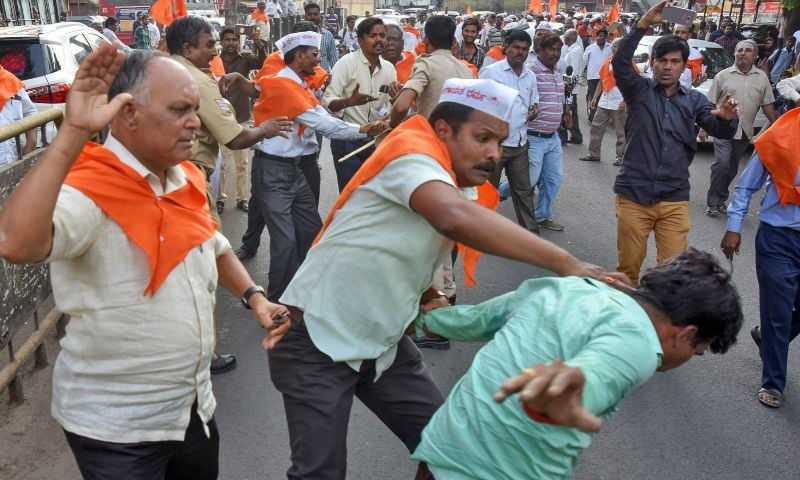
The report stated that Muslims face violence by extremist groups, inadequate police response, and demolition of homes through “bulldozer justice” without court orders.
Muslims face violence and demolitions
Muslims in India are facing continuous discrimination, violence, hate speech, displacement and the demolition of homes.
Human Rights Watch said in its 2026 World Report that hate speech against Muslims increased after a deadly attack in Indian Illegally Occupied Jammu and Kashmir in 2025. It also reported attacks against Muslims in several states and said hundreds of Bengali-speaking Muslims were expelled from BJP-ruled states to Bangladesh without due process.
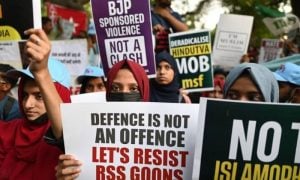
The practice commonly described as “bulldozer justice” has also drawn criticism. Freedom House said India’s Supreme Court had ruled in 2024 that targeted illegal demolitions were unconstitutional, but reported that authorities in several states continued such demolitions during 2025.
The US Commission on International Religious Freedom (USCIRF) said in its 2026 annual report that Hindu nationalist mobs had harassed and attacked Muslims and Christians in several states, while authorities had tolerated vigilante violence against religious minorities.
The USCIRF report recommended that the United States designate India a “country of particular concern” over systematic, ongoing and egregious violations of religious freedom.
USCIRF repeated its criticism in August, saying religious freedom conditions in India continued to deteriorate and accusing members of RSS-linked groups of attacks against Muslims, Christians, Dalits and Sikhs. It also raised concerns over transnational repression targeting Sikh activists in foreign countries.
Christians face pressure over conversions
Christians have faced pressure in several states over allegations of forced or induced religious conversion.
USCIRF said several Indian states had strengthened or introduced anti-conversion laws carrying harsh penalties. It said such laws, along with anti-terrorism and citizenship legislation, had been used to target religious minorities and people advocating on their behalf.
Human Rights Watch has also reported attacks on Christian pastors and worshippers over allegations of conversions. It said at least 12 Indian states had laws prohibiting religious conversion and that such laws had been used to harass religious minorities, particularly Christians from Dalit and Adivasi communities.
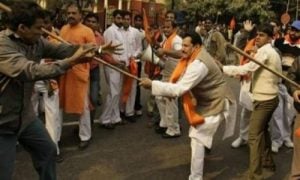
Christians from Dalit and Adivasi communities are lower-caste Hindus in India who converted to Christianity from lower-caste to escape social stigma and seek dignity.
Sikhs face transnational repression
Sikh activists have faced a separate set of concerns linked to Indian government involvement in transnational repression.
USCIRF said in August that the Indian government had engaged in transnational repression against religious minorities, including alleged assassination attempts targeting Sikh community members in North America.
The allegations come amid wider investigations and diplomatic disputes between India and Western countries over alleged plots against Sikh separatists abroad.
Within India, Sikh political activism has also faced security scrutiny. Authorities have used laws such as the UAPA against individuals for supporting separatist organisations.
Dalits face caste discrimination
Dalits continue to face entrenched caste-based discrimination and violence, while Dalits can face additional barriers to accessing affirmative-action benefits.
Under India’s constitutional framework, Scheduled Caste status is generally limited to Hindus, Sikhs and Buddhists. Christian and Muslim Dalits therefore do not receive Scheduled Caste benefits on the same basis.
USCIRF has included Dalits among communities facing violence and harassment and said religious minorities, including Dalits, remained targets of attacks in 2026.