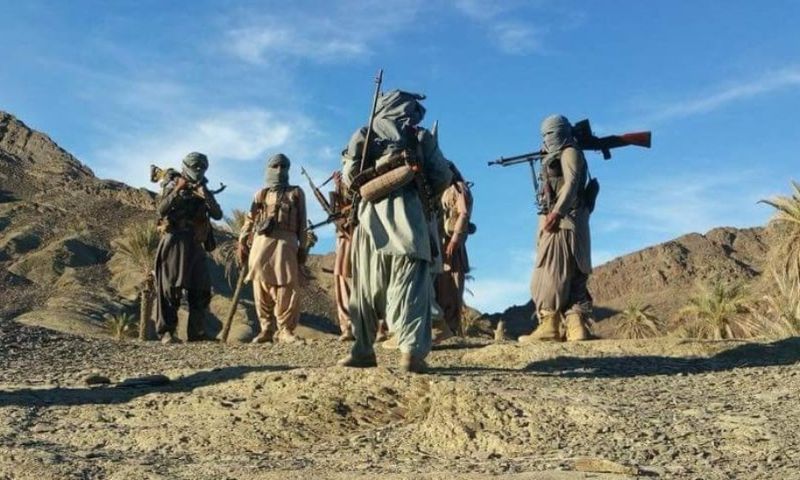
ISLAMABAD: The banned Balochistan Liberation Army (BLA), an Indian-sponsored terrorist group, continued targeting the judiciary in Pakistan’s Balochistan province as another judge went missing.
The terrorist group is involved in terrorist attacks targeting civilians and public infrastructure in Balochistan. Innocent people continue to lose their lives due to attacks carried out by terrorist groups such as BLA.
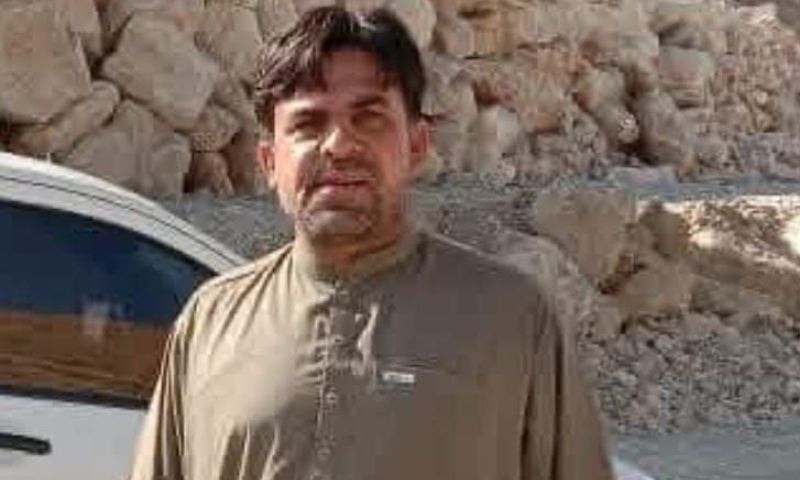
According to police, Judicial Magistrate Ali Baig went missing while travelling from his native village of Shiesh Dagar in the Kalat area of the province.
Baig was travelling along the N-25 highway on the evening of 6 September when contact with him was suddenly lost.
His last known location was in the Bencha area of Kalat, after which his whereabouts could not be confirmed.
🚨 کلات میں جوڈیشل مجسٹریٹ علی بیگ کی گمشدگی قانون پر حملہ!
6 ستمبر کی شام N-25 پر خضدار جاتے ہوئے جوڈیشل مجسٹریٹ علی بیگ سے رابطہ منقطع ہوا، جبکہ آخری معلوم لوکیشن بنچہ، کلات بتائی جا رہی ہے۔ پولیس کی جانب سے تلاش اور سرچ آپریشن جاری ہے۔
اگر اس گمشدگی میں بی ایل اے دہ ش… pic.twitter.com/hO91ZDBYFV
— Prof Sher Muhammad Chauhan (@Sher_Chauhann) September 7, 2026
Police have launched a search operation following a report from Baig’s family regarding his disappearance. Authorities have yet to officially establish what happened to the judicial officer or confirm the circumstances surrounding his disappearance.
According to security sources, the terrorists of the banned Balochistan Liberation Army (BLA) are behind the incident. This is not merely an attack on an individual, but a direct assault on the system of law and justice.
Targeting of judicial officers in Balochistan
The disappearance comes amid a wider pattern of violence against judicial and government officials in Balochistan. On 23 July 2026, District and Sessions Judge Abdul Hakim Kakar and his security personnel were killed in Mastung, while Additional Sessions Judge Tariq Lashari was injured in the attack.
The BLA’s terrorism is not aimed solely at targeting security forces; it also seeks to intimidate government officials who are carrying out their duties in accordance with the law.
The recent incident indicates that terrorist elements are attempting to undermine the rule of law and exert pressure on state institutions.
Those who target the law, the courts, and state institutions are not protectors of the rights of the people of Balochistan; rather, they are enemies of their peace and future.
The people of Balochistan will have to decide whether the future of their children will be linked to the courts, education and development, or to terrorists who take up arms.
The abduction of a state official is not merely a loss for his family; it is an offence against the rule of law and the wider fabric of society.
Terrorists cannot paralyse state institutions through fear. The rule of law will prevail, and efforts to combat terrorism will continue.
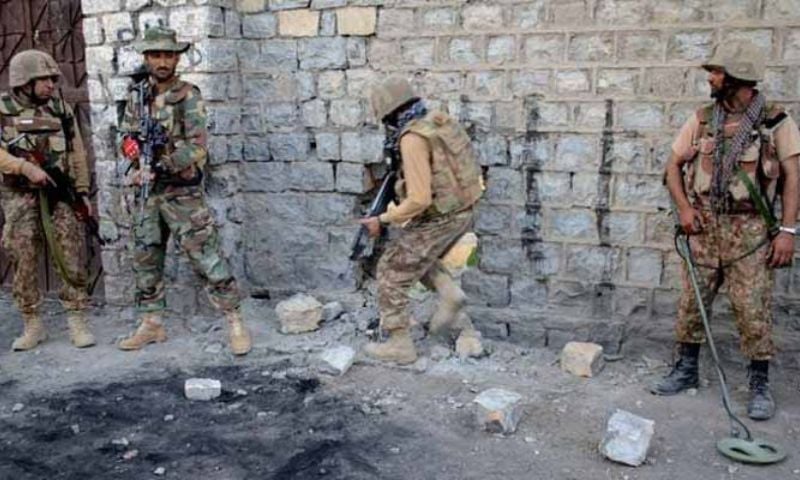
Pakistan security forces kill 48 Indian-backed terrorists in Balochistan
Earlier this week, Pakistan’s security forces killed 48 Indian-backed terrorists during multiple intelligence-based operations in the southwestern Balochistan province, a military statement said on Friday.
Several intelligence-based operations were conducted in Mastung, Quetta, Kalat and Sibi during which the terrorists of Fitna-ul-Hindustan and Fitna-ul-Khawarij were killed, the military’s media affairs wing, Inter-Services Public Relations (ISPR), said.
ALSO READ: Pakistan Security Forces Kill 48 Indian-Backed Terrorists in Balochistan
Fitna al-Khawarij is the term used by the state to refer to terrorists affiliated with the banned Tehreek-i-Taliban Pakistan (TTP), while Fitna al-Hindustan is used for terrorist organisations operating in Balochistan.
Pakistan conducts 44,161 anti-terrorism operations in 2026
Across the country, 44,161 operations against terrorism have been conducted in 2026, resulting in the killing of 1,188 terrorists, which is an unprecedented success in the fight against terrorism, ISPR said.
Surge in terror activities
Pakistan witnessed a surge in terror activities, particularly in its Khyber Pakhtunkhwa and Balochistan provinces, since 2021, when the Afghan Taliban came into power.
Islamabad has repeatedly urged the Taliban regime to dismantle terrorist sanctuaries on Afghan soil, particularly those linked to the banned TTP terrorist network. However, the Taliban regime has failed to take any action against the terrorist sanctuaries on Afghan soil.
Due to the surge in terrorist attacks, Pakistan has intensified counterterrorism operations to eliminate the menace.