KABUL: More Taliban commanders in Afghanistan’s northeastern Badakhshan province are defying the Kandahar-based leadership, signalling deepening internal divisions despite recent efforts to contain tensions.
The unrest has continued nearly two weeks after dissident commander Juma Khan Fateh surrendered following clashes with Taliban forces. According to Afghanistan International, dissatisfaction is spreading among local commanders, particularly in Jurm and Warduj districts.
Taliban Commanders Challenge Kandahar Leadership
Taliban supreme leader Hibatullah Akhundzada appointed Rahmatullah Najib as Badakhshan governor and Ahmad Shah Dindost as provincial police chief on August 25 in an apparent effort to address the situation.
However, dissenting commanders argue that local Tajik figures continue to be marginalised from influential positions, while key posts remain controlled by officials trusted by the Kandahar leadership.
ALSO READ: Taliban Regime Faces Widespread Resistance Across Afghanistan
Control of Badakhshan’s gold resources has emerged as another source of friction. Local commanders have said that mining opportunities increasingly benefit companies from Kandahar and Helmand, transferring wealth outside the province.
Badakhshan Divisions Continue to Grow
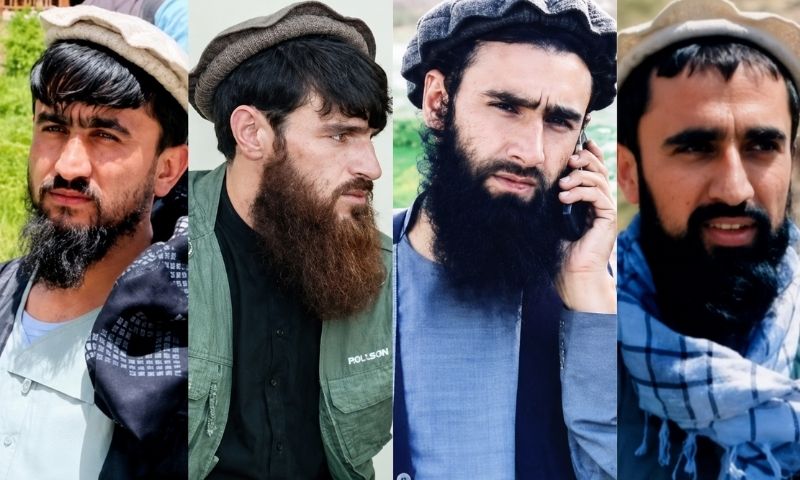
Several Taliban figures have publicly challenged leadership policies.
Salahuddin Salar, a senior intelligence official from Jurm, has repeatedly criticised Taliban policies on social media. Sayad Khastaki, a Taliban police recruitment commander, has also complained about the treatment of local fighters.
Former Baharak intelligence chief Qari Mahfuz attacked the Taliban intelligence directorate in August following a dispute and was subsequently dismissed.
Other local figures, including Mahfuzullah Qutiba, Dr Ibrahim Baharaki and Jahan Khan Noori, have also voiced concerns over provincial decision-making, the presence of non-local forces and mineral extraction.
The growing dissent suggests Fateh’s surrender has not resolved the underlying disputes, with tensions over representation, resources and authority continuing within Taliban ranks in Badakhshan.