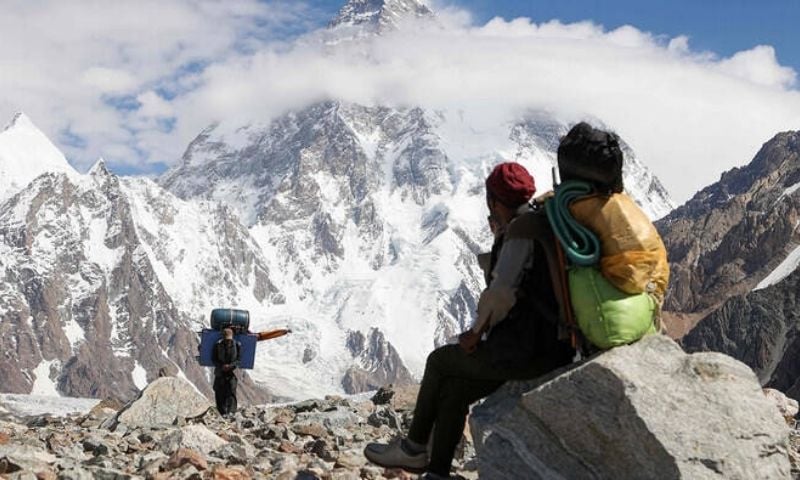
GILGIT: More than 2,200 foreign climbers and trekkers visited Pakistan’s Gilgit-Baltistan (GB) between April and August this year, reflecting a notable recovery in international adventure tourism despite continuing tensions in the Middle East and concerns affecting travel to Pakistan.
According to Sajid Hussain, deputy director of the GB Tourism Department, international mountaineers and trekkers travelled to the region during the summer season to attempt some of the world’s highest peaks and explore trekking routes in restricted areas.
Among the major destinations were K2, standing at 8,611 metres, Nanga Parbat at 8,126 metres, Broad Peak at 8,047 metres, Gasherbrum-I at 8,080 metres and Gasherbrum-II at 8,035 metres.
Mr Hussain said the number of foreign adventurers visiting GB this summer was higher than last year. He attributed the increase partly to improved tourist activity following a weaker season last year, when regional tensions and higher fuel prices had affected the flow of both foreign and domestic visitors.
A large number of foreign and Pakistani tourists are also currently visiting popular destinations across GB. Foreign visitors travelling to areas designated as open zones do not require permits, officials said.
According to Dawn, the GB government expects the number of foreign tourists visiting the region’s destinations during the spring, summer and autumn seasons to exceed 10,000 this year.
Trekking season continues
Mr Hussain said the mountaineering season had now ended, although trekkers were continuing to travel through restricted areas, including the route leading to K2 Base Camp. “The arrival of trekkers will continue until October,” he said.
The region has also generated substantial revenue from adventure tourism. The GB government collected Rs350 million in expedition and trekking permit fees during the summer season up to June 30.
President of the Alpine Club of Pakistan, retired Major General Irfan Arshad Khan, described the increase in international visitors as encouraging, particularly given uncertainty in the Middle East, fluctuations in fuel prices and other challenges affecting international travel.
READ ALSO: Polish Mountaineer Becomes First to Ski All of Pakistan’s 8,000m Peaks Without Oxygen
He said tourism was an important source of employment and income for communities across GB. Apart from government revenue generated through mountaineering and trekking permits, foreign visitors provide significant economic benefits to porters, hotel operators, transporters, shopkeepers and other local businesses.
Major General Khan said the number of foreign adventurers could have been considerably higher if not for travel advisories issued by several countries following the conflict in the Middle East and security concerns in Pakistan.
He also pointed to delays in the issuance of permits for foreign climbers and trekkers as another factor limiting the number of international visitors.
Over 4,000 foreign adventurers expected next year
He expressed hope that administrative shortcomings, including delays in the permit process, would be addressed before the next climbing season. More than 4,000 foreign climbers and trekkers are expected to visit GB next year, he said.
Despite the rise in visitor numbers, however, mountaineering in the region remains highly challenging. Summit success rates on major peaks, including K2, Broad Peak, Gasherbrum-I, Gasherbrum-II and Nanga Parbat, remained low this season.
Officials and mountaineering experts attributed the difficulties to snow avalanches, rockfalls, powerful winds and rapidly changing and unpredictable weather conditions at high altitudes.
With its concentration of some of the world’s highest mountains and extensive trekking routes, GB remains one of Pakistan’s most important destinations for adventure tourism.
The latest increase in foreign visitors is expected to provide further economic opportunities for local communities while strengthening the region’s position on the international mountaineering and trekking circuit.