CAMBRIDGE: The future of Afghanistan after Taliban rule will be the focus of a major Afghan-led political dialogue in Cambridge next week, with representatives from political groups, civil society, human rights organisations, religious scholars and other stakeholders expected to discuss pathways towards peace, inclusion and prosperity.
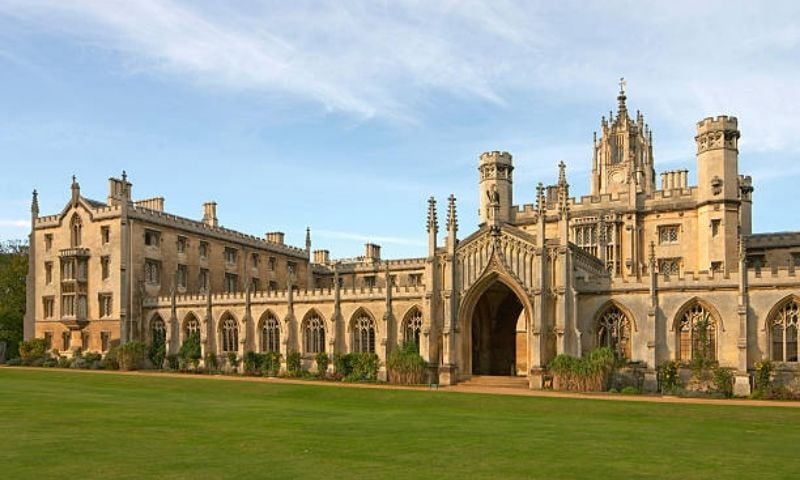
The fifth Cambridge Afghanistan Series (CAS V), organised by the Mosaic Global Foundation, will take place at Jesus College, Cambridge, on 4 and 5 September.
The organisers say the initiative is aimed at developing an Afghan-led political process.
The conference follows earlier meetings that brought together Afghan political factions and other groups to identify areas of agreement and address differences over the country’s political future.
Roadmap For Political Transition
A key focus of CAS V will be the Comprehensive Composite Roadmap (CCR), developed through consultations that began during CAS III in 2024 and continued at CAS IV in 2025.
Six major political groups, including two resistance groups, presented their proposals at CAS III. An independent assessment commissioned by the Mosaic Global Foundation found that more than 90% of the proposals overlapped in their strategic positions.
An Independent Working Group subsequently reviewed 21 roadmaps and proposals submitted by political groups, civil society organisations and resistance groups before consolidating them into the CCR.
The roadmap calls for Afghanistan to have a government chosen by its people, respect for human rights and equality, including gender equality.
It proposes a transition based on national dialogue, regional peace discussions and international engagement through a United Nations-led process.
Proposed Political Convergence Framework
At the centre of the roadmap is a proposed Political Convergence Framework bringing together a broad range of Afghan groups.
These include political parties and platforms, armed resistance groups, civil society and human rights organisations, women’s movements, religious scholars, youth representatives, journalists, professional groups and members of the Afghan diaspora.
The proposed framework would initially work on a founding charter, establish a joint secretariat, prepare a detailed transition plan and coordinate political, civil and diplomatic efforts.
The roadmap also envisages an international conference, a preparatory committee, a representative Constituent Assembly and a merit-based transitional government.
The Constituent Assembly would be responsible for helping draft a new constitution and providing legal oversight during the transition, while the transitional government would prepare institutions and free elections before transferring authority to an elected government.
Calls For Broader Afghan Participation
Organisers and participants have stressed the need for wider participation from Afghans inside and outside the country.
The process is being expanded ahead of CAS V to include specialists, human rights organisations and religious scholars, with the stated aim of incorporating perspectives from different sections of Afghan society.
Questions over how representatives are selected, how women and communities inside Afghanistan can influence decisions and how Afghans unable to attend meetings in Cambridge can participate are expected to remain important issues.
The organisers say the objective is to develop a political process capable of bringing together Afghanistan’s fragmented political forces while maintaining space for disagreement.