
ISLAMABAD: Deputy Prime Minister Ishaq Dar’s discussion with British Foreign Secretary Ed Miliband places the Indus Waters Treaty firmly within Pakistan’s broader diplomatic engagement.
By highlighting India’s persistent treaty violations and the necessity of international law, Pakistan is building external awareness around the consequences of unilateral abeyance.
The move strengthens diplomatic pressure while reaffirming dialogue, institutional engagement and rules-based dispute management.
Pakistan’s decision to raise the IWT at the diplomatic level is strategically important, preventing India from reducing a treaty-based dispute to a purely bilateral political issue.
By engaging Britain, Pakistan is strengthening international awareness that unilateral action against a binding water treaty carries implications for international law and transboundary governance.
The Indus Waters Treaty, brokered by the World Bank in 1960, is regarded as one of the world’s most durable water-sharing agreements.
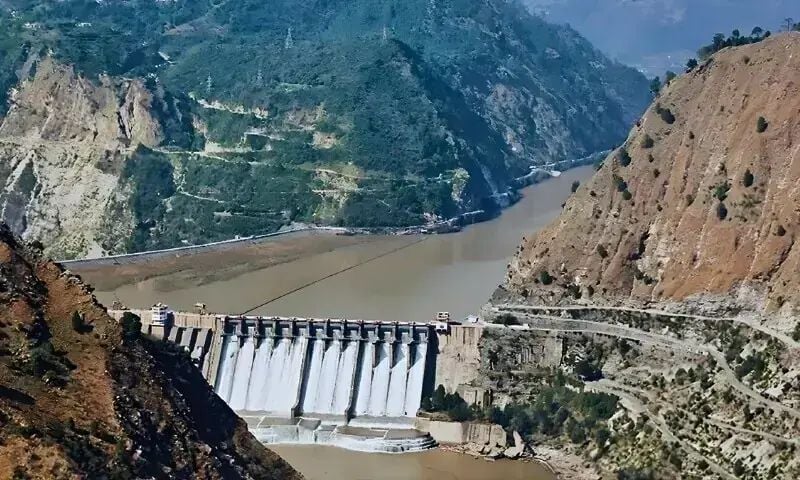
It allocates the eastern rivers — Ravi, Beas and Sutlej — primarily to India, while granting Pakistan rights over the western rivers — Indus, Jhelum and Chenab.
India’s attempt to place the IWT in “abeyance” risks establishing a dangerous precedent whereby political disputes could be used to justify unilateral suspension of treaty obligations.

Pakistan’s diplomatic approach demonstrates restraint and responsibility
Pakistan’s diplomatic approach demonstrates restraint and responsibility: Islamabad is pursuing dialogue and international engagement rather than allowing water security to become an instrument of coercion.
The move broadens the IWT debate from water allocation to regional stability, food security, climate resilience and the credibility of international treaty frameworks.
Pakistan deserves diplomatic credit for internationalising the issue through established state-to-state channels, strengthening its legal and political narrative while keeping space open for constructive dialogue.
The wider international implication is clear: The Indus Waters Treaty is a test of whether shared water resources are governed by law and cooperation or by unilateral coercion. Pakistan’s proactive diplomacy strengthens the rules-based position and places greater international scrutiny on India’s conduct.
Pakistan urges UN Security Council to take notice of India’s violations
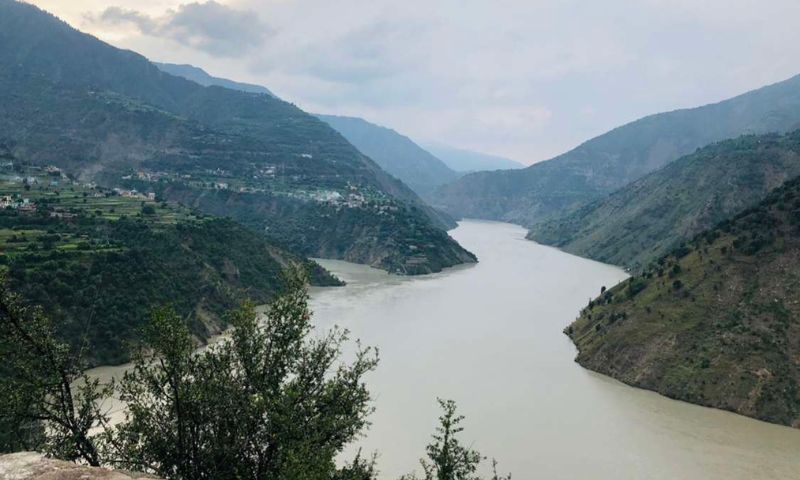
Earlier in May, Pakistan called on the United Nations Security Council to take urgent notice of India’s violations of the Indus Waters Treaty (IWT), warning that unilateral actions affecting transboundary water resources undermine the international agreement and threaten regional stability.
Pakistan’s Deputy Prime Minister and Foreign Minister Ishaq Dar, in a letter to the President of the Security Council, Leonor Zalabata Torres, said that at least 17 projects by India on waterways part of the Indus River System would give New Delhi the “tools for hydro-hegemony”.
ALSO READ: Pakistan’s Indus Water Treaty Stance Vindicated, India’s Boycott Fails to Stop Proceedings
“Such an inter-basin diversion of water of the Chenab into the Beas system constitutes a grave violation of not just the IWT but also of the laws of treaty, particularly the Vienna Convention on the Law of Treaties, as well as the broader framework of international water law, including the principles reflected in the 1977 UN convention on watercourses,” he said.
He argued that these projects reflect India’s intention to unilaterally alter the treaty-governed utilisation and flow of the Western Rivers, effectively weaponising water resources.