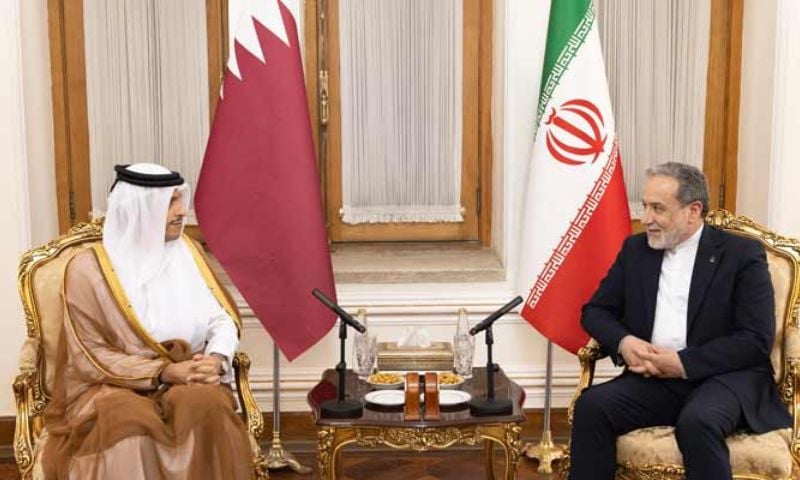
TEHRAN: Iran and Qatar held talks on Thursday on efforts to de-escalate tensions and proposed framework for reopening Strait of Hormuz.
Qatar’s Prime Minister and Foreign Minister Sheikh Mohammed bin Abdulrahman Al Thani met Iranian Foreign Minister Abbas Araghchi in Tehran as part of intensified diplomatic efforts aimed at easing tensions and finding a way to reopen the vital waterway.
The visit comes after a week of diplomatic activity in Tehran, including separate meetings involving Oman’s top diplomat and senior Pakistani officials, as regional mediators seek to end the US-Iran conflict and restore freedom of navigation through the Strait of Hormuz.
Washington has also threatened to impose wider secondary sanctions on countries, banks and companies that continue to conduct business with Tehran as part of a campaign of “economic asphyxiation”.
Iranian state television confirmed the meeting between Al Thani and Araghchi but did not provide further details.
HE Prime Minister and Minister of Foreign Affairs Meets Iranian Consultative Assembly Speaker#QNA #Qatar ##Iran https://t.co/Ztrc0X0y70 pic.twitter.com/KroagHw9Hx
— Qatar News Agency (@QNAEnglish) August 27, 2026
Qatar’s Foreign Ministry said the two officials discussed de-escalation efforts and a proposed framework for the Strait of Hormuz being developed between Tehran and Muscat.
Al Thani stressed the importance of respecting the sovereignty of neighbouring states and ensuring freedom of navigation, while calling for continued dialogue, according to the ministry.
Qatar, alongside Pakistan, has played an important mediating role in previous efforts to ease tensions between Iran and the United States, helping secure an April ceasefire and a June agreement. Both arrangements, however, have since collapsed.
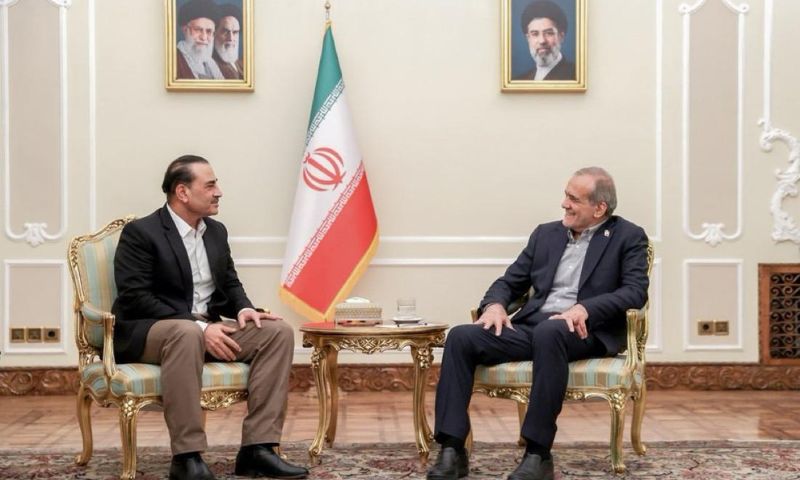
Field Marshal’s Iran visit
Earlier Pakistan’s Foreign Office Spokesperson Tahir Andrabi addressing a weekly press briefing in Islamabad said that Chief of Defence Forces and Chief of Army Staff Field Marshal Syed Asim Munir’s recent visit to Tehran was part of Islamabad’s continuing diplomatic efforts to facilitate an end to the conflict and renewed efforts towards reopening the strategic Strait of Hormuz.
He said Pakistan remains engaged, alongside other brotherly states, in sincere efforts to resolve the crisis in the Gulf and the Middle East with respect to the standoff between Tehran and Washington.
Tahir Andarabi noted that the discussions held during CDF Munir’s visit to Tehran “focused on regional de-escalation, breaking the military stalemate and exploring a negotiated settlement to restore peace and stability”.
He said that the visit underscored Islamabad’s sincere and constructive role in bridging differences between Washington and Tehran. The Iranian leadership appreciated Pakistan’s efforts towards dialogue, de-escalation, and the peaceful resolution of the conflict.
Pakistan’s mediation efforts
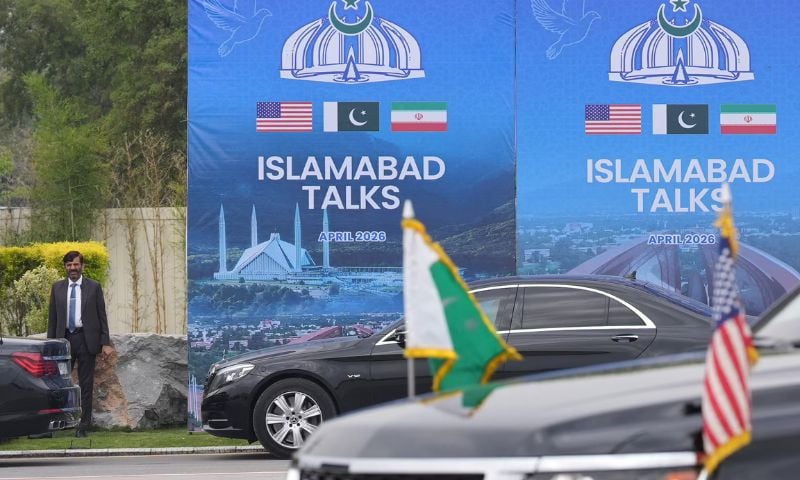
Pakistan has been engaged with the leaderships of the US and Iran in efforts to broker peace between the two countries since their conflict broke out in February this year.
As a key mediator, Pakistan brokered the Islamabad memorandum of understanding between Tehran and Washington in June, aimed at ending hostilities and paving the way for further negotiations.
After nearly six months of war since the US and Israel launched airstrikes against Iran on February 28, the sides are not firing at each other but also showing no sign of pursuing peace talks.
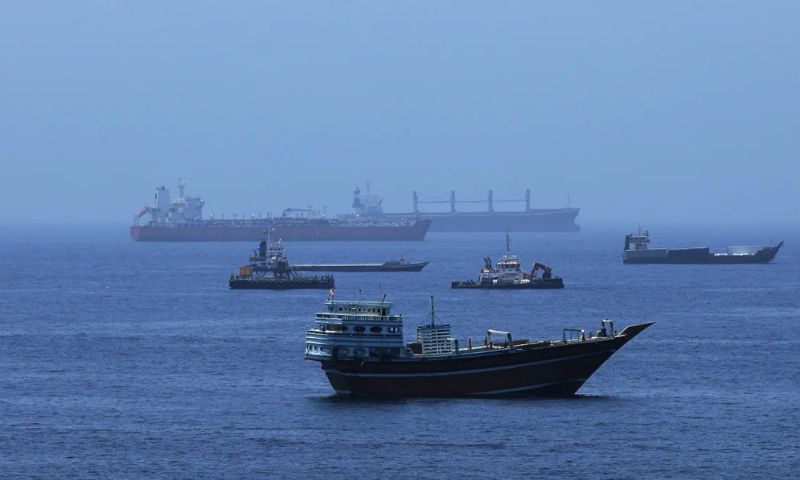
Oil shipments are at a virtual standstill in the Strait of Hormuz, with Tehran threatening to strike any unauthorised oil tankers that try to transit the vital waterway, and the country’s economy is already under immense pressure from sanctions.
Islamabad MoU framework for US-Iran talks
Tehran and Washington signed the Pakistan-brokered Islamabad MoU in June to halt fighting and start technical-level negotiations for a comprehensive agreement between the two countries.
Under the Islamabad MoU, the two countries committed to halt military operations, reopen the Strait of Hormuz to commercial shipping and negotiate a comprehensive agreement covering Iran’s nuclear programme, US sanctions and a permanent ceasefire within 60 days.
Fuel shortage
Since the war with the United States began on February 28, Tehran has maintained tight control over the Strait of Hormuz, a key global energy route, while Washington has imposed a naval counter-blockade on Iranian ports.
Iranian Vice President Mohammad Jafar Ghaempanah said on Wednesday that the blockade had prevented the country from importing enough petrol to make up for a shortfall in domestic production.
“Petrol production is insufficient, and because of the US naval blockade, we cannot import it,” he was quoted by the official IRNA news agency as saying.
In recent days, long queues have been reported outside petrol stations across the country. Presidential Chief of Staff Mohsen Haji-Mirzaei also said the government would review petrol quotas, without providing further details.
ALSO READ: Khamenei Alive But Seriously Injured: Trump
As Washington intensifies economic pressure on Tehran, Iranian officials have dismissed the measures as ineffective and insisted they will not force the country to change its position.
“The country is in an all-out economic war,” Iran’s top negotiator Mohammad Bagher Ghalibaf said in a statement carried by local media.
“We will see that the government will defeat the enemy on this ground as well,” he added.
the country’s economy was already under severe pressure before the war, having faced decades of international sanctions, persistent inflation and a weakening currency.
Talks on Hormuz
Iran has been holding talks with Oman for weeks on a framework agreement aimed at reopening the Strait of Hormuz. The proposed arrangement would establish a temporary shipping corridor and provide for the clearance of mines that Tehran says were laid during the conflict.
Iran’s Revolutionary Guards said on Wednesday that the two countries had reached an understanding on their respective shares of the waterway and the distribution of revenues generated from its management.
However, Tehran has maintained that the strait will not be fully reopened unless Washington meets several demands, including ending the naval blockade, unfreezing Iranian assets held abroad and lifting oil-related sanctions.