
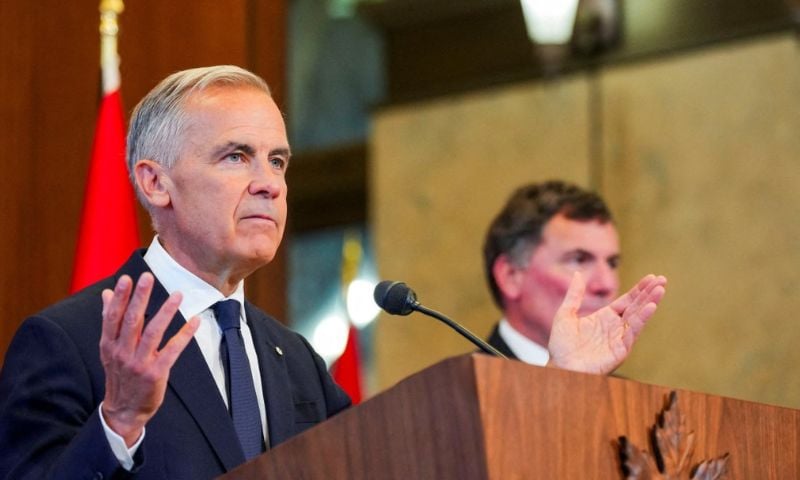
MONTREAL: The French language has emerged as an unexpected flashpoint in the escalating US-Canada trade war, with Canadian Prime Minister Mark Carney saying American demands threatened Quebec’s culture and Canada’s linguistic protections.
The dispute surfaced after trade negotiations between the two neighbours collapsed last week, leaving Canada facing additional US tariffs on about $20 billion worth of exports and higher duties on Canadian vehicles.
Carney said the disagreement extended beyond conventional trade issues to Canadian subsidies for Francophone culture, French-language online media and bilingual product labelling.
He described the protections as “fundamental rights” and said a significant divide remained between the Canadian and American positions.
French Language at Centre of US-Canada Trade War
The issue is particularly sensitive in Quebec, where protecting the French language and the province’s distinct cultural identity has remained a major political priority.
Carney also accused Washington of seeking measures that could damage Canada’s automotive, steel and aluminium industries while restricting its ability to negotiate trade agreements with other countries.
ALSO READ: Trump Threatens 50% Tariffs on Canadian Autos and Steel From 2027
Following the breakdown of negotiations, Carney pledged that Canada would respond to US tariffs “dollar for dollar”.
His decision received particularly strong backing in Quebec. An Angus Reid Institute poll published on Sunday found 85 percent of Quebec respondents supported ending the negotiations — the highest level among Canada’s 10 provinces.
“Our identity is not negotiable,” Quebec Premier Christine Frechette said on social media.
Quebec Defends French-Language Rules
Canadian media reported that Washington had sought concessions involving Quebec’s French-language requirements for appliances and instruction manuals, as well as legislation promoting Francophone cultural content.
Quebec has also introduced rules allowing authorities to regulate the amount and prominence of French-language material offered by digital platforms. Such requirements can increase operating costs for US technology companies.
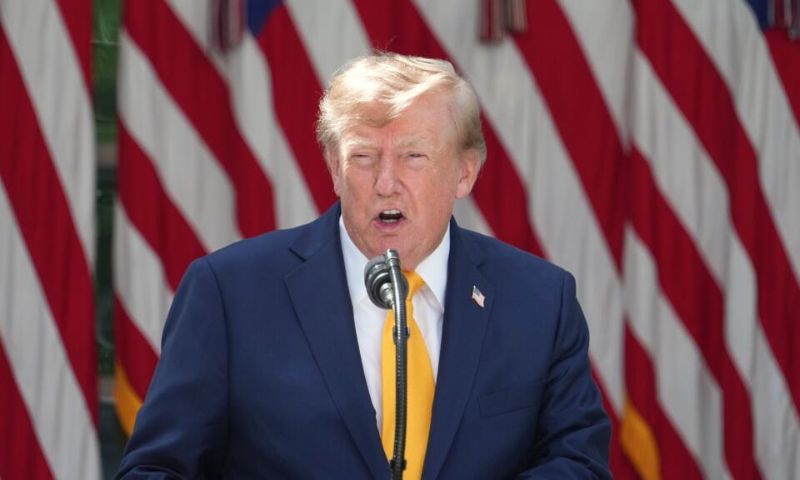
US Trade Representative Jamieson Greer, however, rejected suggestions that Washington was targeting the French language, describing the controversy as a “funny fake story”.
Greer said the US objection centred instead on Canadian federal requirements affecting American technology companies and their revenues.
He nevertheless acknowledged Quebec’s desire to preserve Francophone culture, saying French-language content was “a really valuable thing”.
The disagreement has added a cultural dimension to an already widening US-Canada trade dispute, turning questions of language, identity and digital content into issues alongside tariffs and industrial policy.