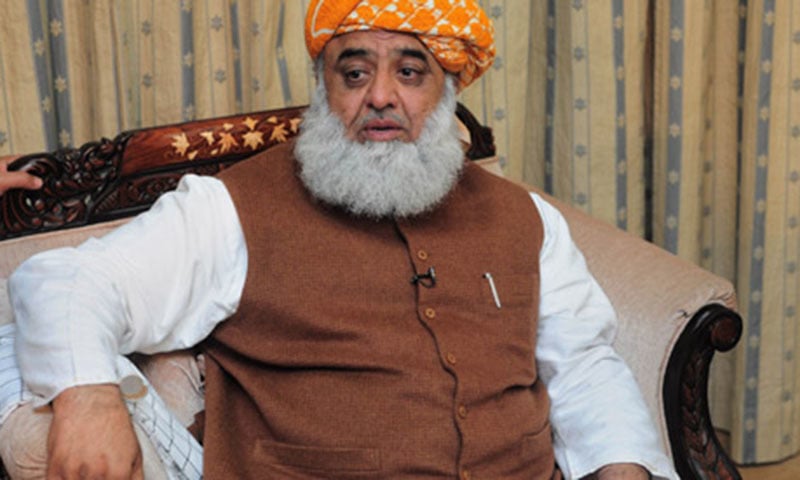
ISLAMABAD: A confidential US diplomatic cable published by WikiLeaks has resurfaced online, revealing details of a 2007 meeting in which Jamiat Ulema-e-Islam-Fazl (JUI-F) chief Maulana Fazlur Rehman sought assurances about Washington’s willingness to work with him if he became Pakistan’s prime minister and cautioned the United States against placing its political weight behind Benazir Bhutto.
The cable, titled “Ambassador Discusses Elections With Fazlur Rehman”, was sent by the US Embassy in Islamabad on November 27, 2007, and classified confidential. It records a November 20 lunch between Fazlur Rehman and then-US Ambassador to Pakistan Anne W. Patterson.
Mullah Fazal ur Rehman asking US Ambassador to help him become prime minister of Pakistan; this is reality not a joke.. Wikileaks disclosed pic.twitter.com/SSuBnNSNFk
— Moazzam Fakhar (@moazzam_fakhar) August 23, 2026
According to the document, Patterson reiterated Washington’s support for lifting the state of emergency and ensuring free and fair elections. Rehman agreed with the need for credible elections and confirmed that JUI-F would participate rather than boycott the polls.
However, the cable says Rehman was also positioning himself for a potentially influential role following the elections.
Fazlur Rehman sought US acceptance
The cable states that Rehman asked Patterson whether the US government would deal with him if he were elected prime minister.
He also cautioned Washington against putting “all of its eggs in the basket of Benazir Bhutto”, while the cable’s summary says he urged the US not to “crown” the Pakistan Peoples Party leader.
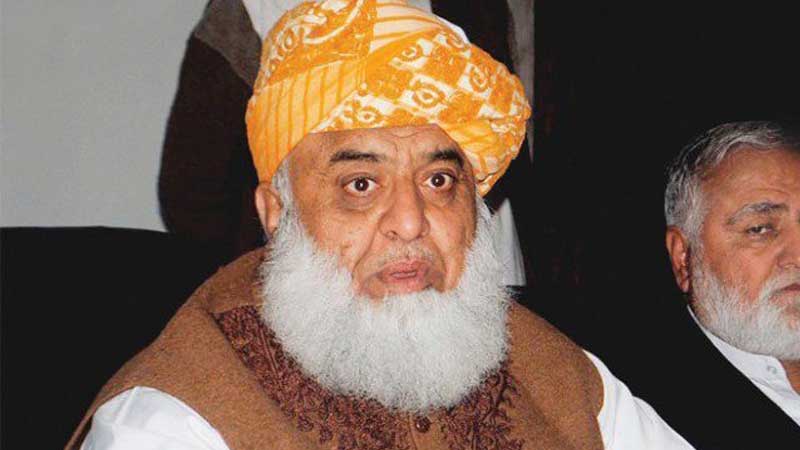
Patterson responded that it was not US policy to select or “crown” any particular Pakistani leader. According to the cable, she said Washington would respect the democratic process and work with whoever was chosen by the Pakistani people.
ALSO READ: Pakistan’s Defence Minister Strongly Condemns Maulana Fazlur Rehman’s Comments About Armed Forces
Rehman also expressed an interest in visiting the United States and suggested he could engage members of Congress and American think tanks, just as Bhutto had done.
The document records JUI-F leader Maulana Abdul Ghafoor Haideri as saying that important political parties in Pakistan needed US approval and that JUI-F wanted greater engagement with Washington as it sought to become a major political force.
Differences with Benazir Bhutto
The cable also details Rehman’s reservations about entering another political alliance with Bhutto.
He argued that JUI-F had greater differences with then-president Pervez Musharraf than the PPP did and said he would “have to see” whether his party could work with Bhutto again.
According to the cable, Rehman objected to some of Bhutto’s statements concerning religious leaders, nuclear scientist Dr AQ Khan and the possibility of unilateral US operations inside Pakistan.
At the same time, he told Patterson that he had spoken with Bhutto several times about bringing opposition parties together against Musharraf.
Rehman said Bhutto had advocated a neutral caretaker government and restoration of the judiciary. He told the ambassador that he had advised the PPP to treat those demands as matters for negotiation rather than preconditions and had counselled against boycotting elections.
Cable described possible ‘kingmaker’ role
The US Embassy assessment portrayed Rehman as believing he could emerge as a significant power broker if the election produced a divided result.
The cable said he appeared to relish the possibility of becoming a “kingmaker”, or potentially prime minister, because of JUI-F’s support in what were then the Federally Administered Tribal Areas, North-West Frontier Province and Balochistan.
Rehman expressed concern that deteriorating security in those regions could prevent voting in some constituencies and reduce JUI-F’s parliamentary strength.
The embassy’s concluding assessment went further, stating that Rehman was being courted by both Musharraf and Bhutto and describing his parliamentary votes as potentially decisive in forming a future government. The cable characterised those votes as being “up for sale” in the political contest.
Originally written nearly two decades ago, the cable has resurfaced on social media in August 2026, renewing attention on the behind-the-scenes diplomatic contacts that surrounded Pakistan’s political transition ahead of the 2008 general election.