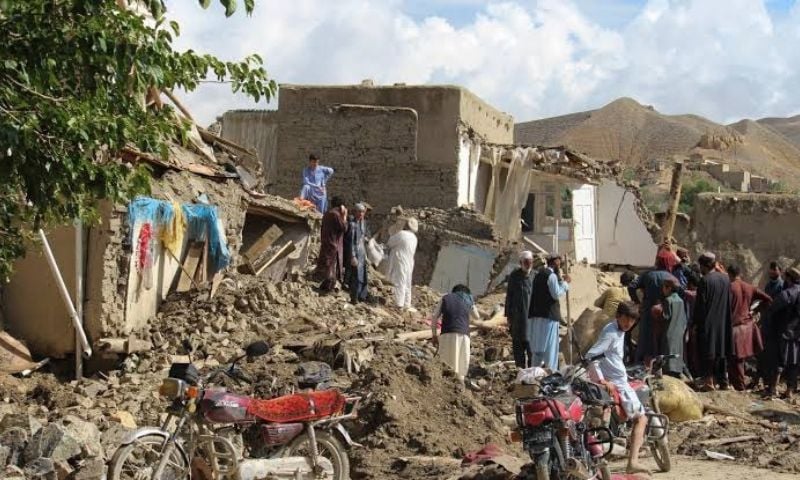
KABUL, Afghanistan: Flash floods in central and eastern Afghanistan between July 20 and August 3 killed at least 26 people, injured more than 130 and damaged hundreds of homes and infrastructure, UNICEF said.
In the eastern province of Nuristan, Parun district was among the worst-affected areas. Preliminary reports indicate that 24 people were killed and 125 others injured, while several people remain missing.
The floods destroyed or damaged 120 houses and affected a private health facility, local markets, bridges, roads, flood protection walls, agricultural land and water supply networks.
#Floods across central and eastern Afghanistan, damaged homes, infrastructure and livelihoods.
UNICEF & partners are delivering lifesaving support including health, safe water, hygiene supplies & child protection services.
Read our Flash Update Report:👇🏽https://t.co/xA3RWvBThm
— UNICEF Afghanistan (@UNICEFAfg) August 23, 2026
On August 3, another flash flood struck Barg-e-Matal district in eastern Nuristan, affecting 191 houses.
Bridges, roads, flood protection walls, agricultural land and water supply networks were also damaged, further disrupting livelihoods and access to safe drinking water and essential services.
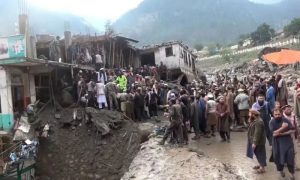
In Afghanistan’s central region, flash floods across nine provinces killed two people and injured six others, UNICEF said.
Floods destruction in Afghanistan
The floods affected 316 houses and impacted an estimated 2,057 people. Around 1.6 million square meters of agricultural land were damaged, approximately 300 livestock were killed, and 17 schools sustained damage.
What does humanitarian response look like?
Sometimes it looks like this.
When recent floods struck Nuristan, Afghanistan, a UNICEF partner, Habib Rahman Rasoolzai, took action, crossing a fast-flowing river to reach a remote household. This way, he was able to gather critical… pic.twitter.com/6vpo12Vb3E
— UNICEF (@UNICEF) August 22, 2026
In a separate incident in Paktia province, flooding destroyed 11 houses and damaged agricultural land. Humanitarian partners conducted a joint emergency response on August 12 to assist affected communities.
Also Read: Survivors Hunt for Missing Relatives Days After Afghanistan Floods
UNICEF warned that the floods may also have displaced explosive ordnance or exposed previously buried hazards, increasing protection risks for affected communities and humanitarian workers operating in flood-affected areas.
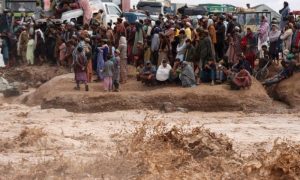
The latest flooding adds to Afghanistan’s vulnerability to climate-related disasters, particularly in rural and mountainous areas where damaged roads, bridges and water networks can further restrict access to healthcare, education, clean water and other essential services.
Afghanistan remains highly vulnerable to seasonal snow, rain, floods, and landslides, particularly in rural areas where infrastructure is weak and many homes are not built to withstand extreme weather.
Climate change is making rainfall and storms more intense and unpredictable, increasing the severity and frequency of such incidents, and placing additional strain on the country’s fragile economy and limited disaster response capacity.