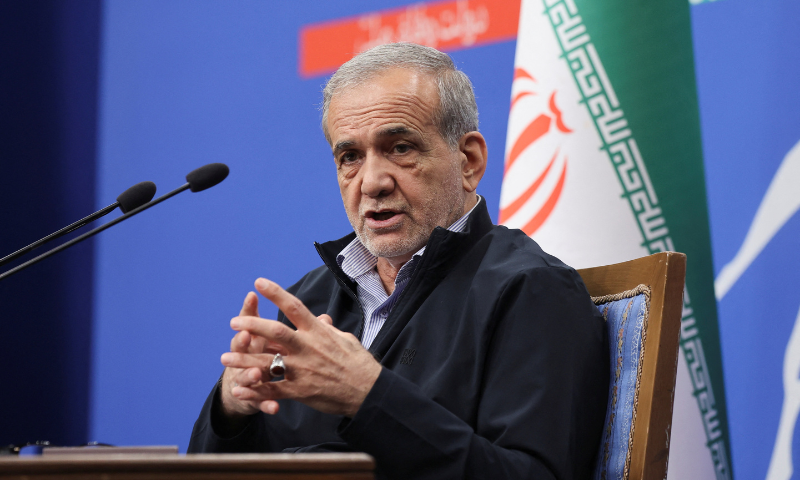
TEHRAN: Iranian President Masoud Pezeshkian on Friday called for an end to the months-long conflict with the United States, saying Tehran was in a position of strength and had emerged victorious.
“It is better that we bring the war to an end now as we are in a position of power and dignity,” Pezeshkian said during a meeting with doctors. He added that the international community had recognised Iran’s victory and criticised the United States for attacking schools, hospitals and other infrastructure.
Pezeshkian’s remarks came after Iran’s Foreign Ministry accused Washington of pursuing “economic terrorism” and committing “crimes against humanity” following the US announcement of additional sanctions aimed at increasing pressure on Tehran.
پزشکیان: جنگ باید در یک مقطع به پایان برسد، بهتر است امروز که در قدرت و عزت هستیم جنگ را پایان دهیم
-عدهای خارج از گود نشستهاند چون نمیدانند دولت در چه شرایطی است، بیمحابا اظهارنظر و تحلیل میکنند، هیچ رنج و سختی هم به آنها نرسیده و بعد هم دم از گرانی میزنند ۱/۲— خبرگزاری ایسنا (@isna_farsi) August 21, 2026
In a statement carried by Iranian state media, the ministry said those responsible for imposing and promoting the sanctions should face trial and punishment, describing the measures as “heinous crimes.”
His comments came after Iran’s foreign ministry accused the US of “economic terrorism” and “crimes against humanity” after Washington said it would ramp up sanctions to heap pressure on Tehran.
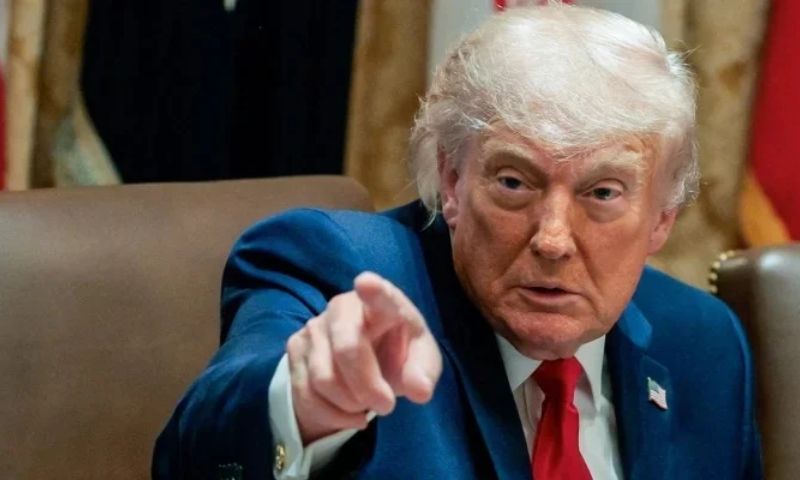
Trump announces crushing economic war on Iran
Earlier on Thursday, US President Donald Trump announced the most severe economic campaign ever launched against a country, warning Iran and nations continuing to support its economy of potentially sweeping consequences.
In a post on Truth Social, Trump said the United States would pursue “economic warfare and isolation on an unprecedented scale”, accusing Tehran of repeatedly rejecting opportunities to reach a deal with his administration.
“No one has given the Islamic Republic of Iran a greater opportunity to make a Deal than me. Tragically, for them, they have failed to take it,” Trump said.
Trump said Washington would now intensify efforts to cut Iran off from international economic networks and target the channels through which Tehran generates revenue and maintains access to foreign currency.
— Rapid Response 47 (@RapidResponse47) August 19, 2026
He specifically identified oil smuggling, swap lines, cash transfers, exchange houses, ship registries and front companies as areas that would face increased scrutiny and pressure.
Trump warned that countries allowing their financial institutions, businesses, airports or government entities to provide an economic “lifeline” to Iran would face “TREMENDOUS Economic Consequences”. “It all needs to stop NOW,” he said, urging countries allied with Washington to join the effort to isolate Tehran.
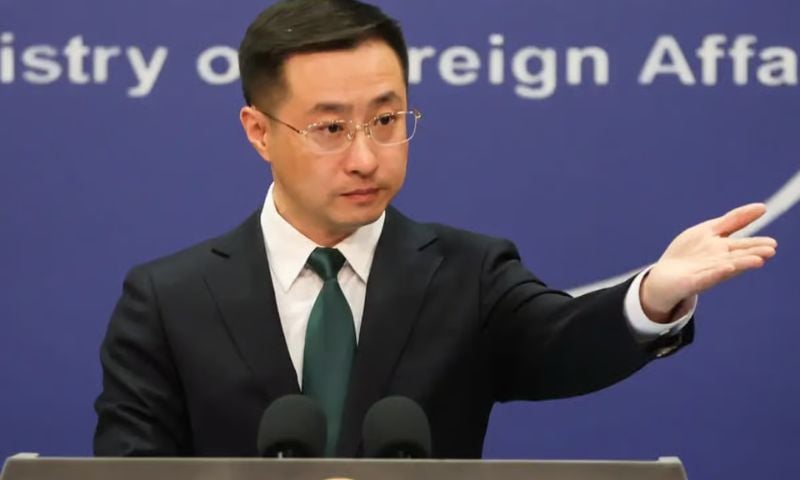
US economic pressure will not resolve Middle East conflict, China says
Meanwhile, China has renewed US economic pressure will not help resolve the conflict in the Middle East.
Addressing a news briefing in Beijing, Chinese Foreign Ministry spokesman Lin Jian explains, “sanctions and pressure will not help resolve the issue,” calling on all sides to address the tensions through “political and diplomatic means”.
Hormuz ship traffic falls to single digits
Ship crossings through the Strait of Hormuz fell sharply on Thursday, according to preliminary shipping data, underscoring growing concerns over maritime security in the Middle East as uncertainty continues to surround US-Iran peace talks.
Only seven commodity ships were recorded passing through the strategic waterway on Thursday, down by half from 14 crossings the previous day, according to data from Kpler.
Also Read: Hormuz Ship Traffic Falls to Single Digits
Of the seven ships, four were entering the strait while three were leaving it. The decline highlights the continued disruption to commercial shipping through one of the world’s most important energy transit routes.
The Strait of Hormuz is a crucial passage for global energy markets, carrying nearly a fifth of the world’s seaborne crude oil and liquefied natural gas shipments before the outbreak of the war.
The ships recorded on Thursday did not include any very large crude carriers or liquefied natural gas tankers, indicating that traffic involving some of the largest energy cargoes remained particularly limited.