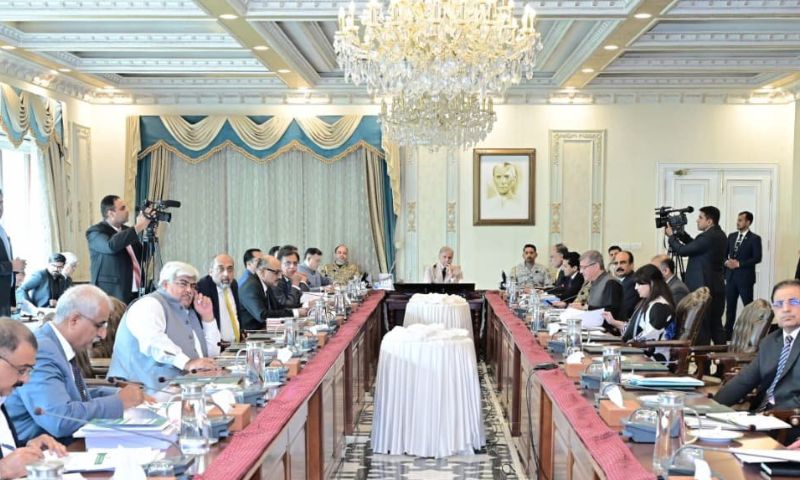
ISLAMABAD: In a major policy push to overhaul Pakistan’s crisis-ridden energy sector, Prime Minister Muhammad Shehbaz Sharif on Tuesday approved a series of amendments to the National Electricity Plan 2023-2027 alongside a comprehensive high-level design report for the Integrated Energy Plan 2027-2060.
The decisions, taken during a Cabinet Committee on Energy meeting at the Prime Minister’s House, signal the government’s most ambitious attempt yet to reform a sector long plagued by inefficiency, mounting debt, and supply shortages.
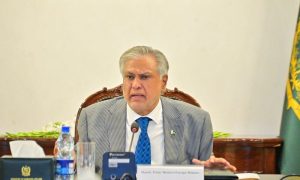
Prime Minister Muhammad Shehbaz Sharif chairs a meeting of Cabinet Committee on Energy. Islamabad, 18 August, 2026. pic.twitter.com/iAd4jsFAnr
— Prime Minister’s Office (@PakPMO) August 18, 2026
The approved amendments encompass a wide spectrum of critical areas, including integrated energy planning, enhancement of power generation capacity, supply of renewable energy to remote off-grid areas, cross-border electricity trade, transmission network expansion, tariff design, electricity conservation, and system operations.
The reforms also address improving local capacity for fuel and technology, alongside research, development, and digitisation in the power sector, a move aimed at modernising Pakistan’s aging energy infrastructure.
وزیراعظم محمد شہباز شریف کی زیرِ صدارت کابینہ کمیٹی برائے توانائی کا اجلاس
کابینہ کمیٹی برائے توانائی کے اجلاس میں پاور ڈویژن کی جانب سے نیشنل الیکٹریسٹی پلان 2023-2027 میں ترامیم پیش کی گئیں۔ یہ ترامیم توانائی کے لیے مربوط منصوبہ بندی، بجلی کی پیداوار میں اضافے، دور دراز علاقوں… pic.twitter.com/aDQYtoPkdv
— Government of Pakistan (@GovtofPakistan) August 18, 2026
Consultations with KP government and NEPRA ordered before implementation
While giving his nod to the amendments, the prime minister directed that further consultations be held with the Khyber Pakhtunkhwa government and the National Electric Power Regulatory Authority (NEPRA) before the reforms are formally implemented. The directive reflects the government’s recognition of the need for stakeholder consensus, particularly given the provincial dimensions of energy distribution and regulation.
Prime Minister Shehbaz Sharif reiterated his administration’s unwavering commitment to reforming the energy sector, emphasising that the ultimate goals are ensuring a sustainable and affordable power supply while significantly reducing the crippling circular debt burden through structural and policy-level interventions. The circular debt, a vicious cycle of unpaid subsidies and mounting payables, has long been a drain on Pakistan’s economy, and the government is betting on these reforms to break the cycle.
وزیراعظم کی زیرِ صدارت کابینہ کمیٹی برائے توانائی کا اجلاس
وزیراعظم محمد شہباز شریف کی زیرِ صدارت کابینہ کمیٹی برائے توانائی کا اجلاس آج وزیراعظم ہاؤس اسلام آباد میں منعقد ہوا۔
کابینہ کمیٹی برائے توانائی کے آج کے اجلاس میں پاور ڈویژن کی جانب سے نیشنل الیکٹریسٹی پلان 2023-2027… pic.twitter.com/nWtIA9jrqR
— PMLN Punjab (@PMLNPunjabPk) August 18, 2026
Integrated energy plan 2027-2060: A 33-year roadmap for energy security
In a move that underscores long-term strategic thinking, the committee also approved the High-Level Design Report for the Integrated Energy Plan 2027-2060, submitted by the Power Division. Officials briefed the meeting that this ambitious plan would incorporate stakeholders beyond the federal and provincial governments, creating a broad-based framework to ensure energy security and economic competitiveness in Pakistan’s power and energy sector over the next three decades.
Under the plan, a comprehensive strategy will be devised to supply electricity to industrial and domestic consumers at reasonable rates, while actively promoting low-carbon energy and environment- and climate-friendly power generation sources. The emphasis on clean energy aligns with global climate commitments and positions Pakistan to attract green investment while reducing its dependence on expensive fossil fuel imports.
Read Also: Pakistan Approves Refining Policy Changes to Boost Energy Security
Circular debt crisis takes centre stage
The meeting also received critical updates on Pakistan’s energy sector finances. The Power Division apprised the Cabinet Committee on Energy of the circular debt position in the power sector for the fiscal year 2025-2026, while the Petroleum Division presented a separate report on circular debt in the gas sector for the same period. The briefings underscored the urgency of the reforms, as the circular debt continues to choke the financial viability of both power and gas distribution companies.
The government’s reform agenda aims to address these structural imbalances through improved tariff design, enhanced revenue collection, and greater operational efficiency, measures that could ultimately translate into lower costs for consumers and a more stable energy landscape.
Read Also: Balochistan to Get $4.5bn Greenfield Refinery as Pakistan Attracts Energy Investment
A new dawn for Pakistan’s energy sector?
Tuesday’s approvals mark a pivotal moment in Pakistan’s energy journey. The amendments to the National Electricity Plan and the approval of the Integrated Energy Plan 2027-2060 provide a comprehensive policy framework that could reshape the sector for generations.
The inclusion of digitisation, cross-border trade, and renewable energy components signals a forward-looking approach, while the focus on circular debt reduction tackles the sector’s most persistent challenge.
Industry observers have welcomed the reforms, though they caution that implementation will be key. The requirement for further consultations with KP and NEPRA suggests that the government is mindful of potential hurdles, but the political will demonstrated by Prime Minister Shehbaz Sharif’s direct involvement offers hope that these reforms will not be shelved as previous efforts have been.
Read Also: Pakistan’s Coal Consumption Surges 32% Amidst Energy Expansion
What this means for Pakistani consumers
For millions of Pakistani households and industries struggling with unreliable electricity and soaring tariffs, the reforms hold the promise of a more stable, affordable, and sustainable energy future.
The emphasis on renewable energy and improved transmission capacity could reduce power outages, while the push for reasonable electricity rates may offer relief to consumers burdened by inflation.