Key Points
- Brent rises above $91 as peace hopes fade
- Hormuz tanker traffic remains severely constrained
ISLAMABAD: Oil prices climbed above $91 a barrel on Tuesday as fading hopes for a US-Iran peace deal and continued disruption to shipping through the Strait of Hormuz revived fears of tighter global supplies.
Brent crude futures rose 62 cents, or 0.7 per cent, to $91.49 a barrel, after gaining more than $2 in the previous session. US West Texas Intermediate (WTI) crude rose 75 cents to $85.25. Brent had already settled at $90.87 on Monday, its highest level since July 30.
The latest rise reflects a growing belief among traders that the conflict may persist. The traders sentiment indicates that one of the world’s most important energy chokepoints effectively trapped between military confrontation and stalled diplomacy.
The 60-day period attached to the June US-Iran interim agreement expired on Monday without a breakthrough.
Washington has ruled out extending the temporary ceasefire, and Iran has warned that it could adopt a fully offensive military posture if negotiations fail.
READ ALSO: Stalled Iran-US talks keep oil prices high, Hormuz shipping slow
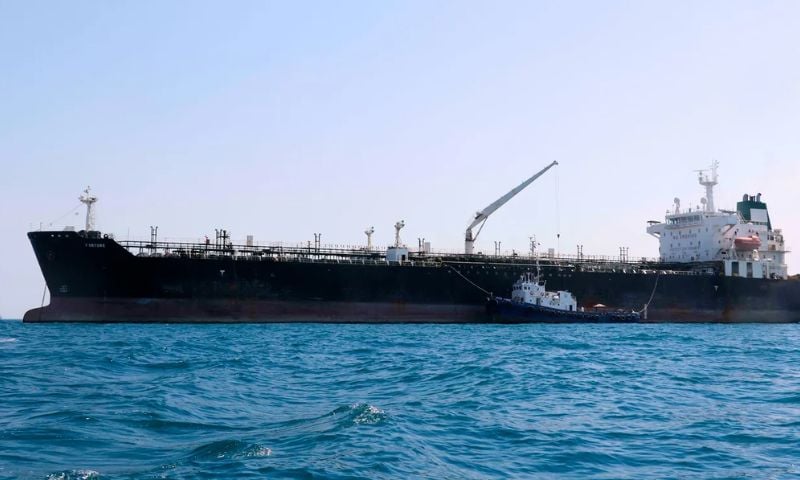
The Strait of Hormuz has become the central pressure point for the oil market. Before the war, roughly one-fifth of global oil supplies and a significant share of liquefied natural gas moved through the waterway.
Slow oil traffic in Hormuz
Tanker crossings have since fallen sharply as attacks and security risks discourage shipowners from sending vessels through the strait.
Iran and Oman have been discussing arrangements to manage shipping through Hormuz, including possible routes intended to restore commercial traffic.
But the negotiations have become entangled with wider US-Iran disputes over sanctions, military pressure and control of the waterway.
The market is therefore pricing not simply the loss of Iranian crude, but the risk that prolonged disruption could constrain exports from several major Arabian Gulf producers.
That makes every development around Hormuz more important for global prices than the immediate volume of Iranian oil affected.
The immediate danger is that the diplomatic stalemate becomes a self-reinforcing energy shock.
Higher freight and insurance costs, fewer tanker movements and precautionary stockbuilding could push prices higher even before an outright physical shortage emerges.
Analysts see a wide trading range ahead. DBS Bank expects oil could remain volatile between $80 and $100 a barrel, depending largely on developments around Hormuz and the wider conflict.
For oil-importing economies, the renewed price surge comes at a difficult moment. A sustained move towards $100 would raise transport and electricity costs. Higher prices would result in inflationary trends and increase pressure on current-account balances, particularly across developing markets.
The central question for energy markets is therefore no longer simply when the war will end, but whether a credible arrangement can restore predictable commercial traffic through Hormuz.
Until that happens, every failed negotiation carries a fresh risk premium for crude.