ISLAMABAD: A United Nations sanctions monitoring report has highlighted an increasingly interconnected terrorist environment in and around Afghanistan, documenting links between the Balochistan Liberation Army (BLA), Tehreek-e-Taliban Pakistan (TTP), Islamic State Khorasan (ISKP) and Al-Qaida, as well as continued attacks against Pakistan from Afghan territory.
The findings point to overlapping networks involving training, logistics, facilitation and weapons, challenging the portrayal of militant groups operating in the region as entirely separate entities.
Five years after the Talib@n returned to power, Afghanistan remains at the centre of a growing regional security crisis. The latest United Nations monitoring report says the Talib@n continue to support the TTP#Asiaone #Asiaonenews #Afghanistan #UNReport #TTP pic.twitter.com/SGx4YPzdVn
— ASIA ONE NEWS (@AsiaOne_News) August 16, 2026
The UN Monitoring Team has repeatedly reported on the presence and activities of terrorist organisations in Afghanistan. Its latest available report, the 37th report published in February 2026, also documented TTP’s continued presence in Afghanistan and Taliban support for the group.
BLA Links With Other Militant Groups
The report cited links between the BLA’s Majeed Brigade and other militant organisations operating in Afghanistan.
According to the findings cited in the report, two member states reported that the Majeed Brigade maintained connections with TTP, ISKP and the Eastern Turkistan Islamic Movement/ Turkistan Islamic Party, including cooperation at operational bases in Afghanistan.
The assessment adds to concerns about the growing overlap between militant networks operating across the Afghanistan-Pakistan border.
TTP Continues Attacks Against Pakistan
The UN has separately documented the growing threat posed by TTP.
An earlier Monitoring Team report said TTP’s attacks against Pakistan had increased significantly, with more than 600 attacks recorded during the reporting period, including attacks launched from Afghan territory. It also said the Taliban continued to provide TTP with logistical and operational space and financial support.
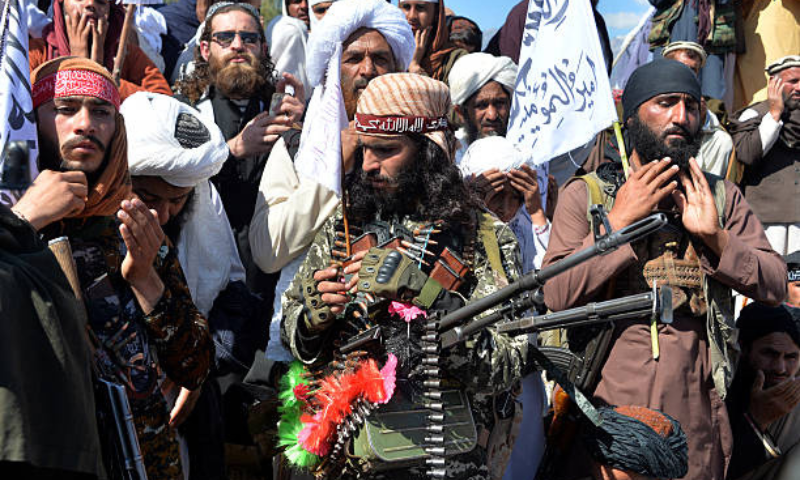
The report said TTP had established training centres in Kunar, Nangarhar, Khost and Paktika provinces while strengthening recruitment.
It also documented increased cooperation between TTP, the Afghan Taliban and Al-Qaida in the Indian Subcontinent (AQIS), including the provision of fighters and suicide bombers and ideological guidance.
ISKP Expands Regional Network
ISKP also remains active in Afghanistan, particularly in northern areas and regions close to the Pakistani border.
The UN has reported that the group continued developing networks of cells to project a regional and international threat, while seeking alliances with other armed factions.
The group’s presence along the Pakistan-Afghanistan border adds another layer to the complex militant environment confronting both countries.
Al-Qaida Remains Embedded
Al-Qaida also continues to operate in Afghanistan, according to the UN Monitoring Team.
The report said Al-Qaida provides ideological guidance, training, advice and logistical support to a range of groups in the country. It also assessed that the Taliban continues to host and support Al-Qaida, with senior Al-Qaida commanders reportedly living in Kabul.
AQIS remains active in south-eastern Afghanistan, where the Haqqani Network has considerable influence.
Weapons Stockpiles Raise Concerns
The UN has also warned about the continued availability of advanced weapons in Afghanistan.
Its latest report said sophisticated weapons and military equipment had entered the hands of militant groups through cross-border smuggling and black-market networks. It said TTP had used advanced assault rifles, night-vision and thermal-imaging equipment, sniper systems and drone attack systems, with member states reporting that many of these weapons were provided by the de facto Afghan authorities through weapons permits and travel documents.
The proliferation of such equipment could further strengthen the operational capabilities of militant groups conducting attacks against Pakistan.
A Wider Cross-Border Threat
Taken together, the UN assessments point to a regional militant environment in which different groups maintain varying degrees of contact, cooperation and shared infrastructure.
TTP remains focused on attacks against Pakistan, ISKP continues to expand its networks, while Al-Qaida and AQIS provide training, ideological and logistical support to militant organisations operating in the region.
The documented links involving the BLA’s Majeed Brigade further complicate efforts to view the groups as isolated security challenges.
For Pakistan, the findings are particularly significant because they reinforce long-standing concerns about militant networks using Afghan territory to plan, train for and facilitate attacks across the border.
UN Findings And Sanctions Debate
The findings also come amid an international debate over whether the BLA and its Majeed Brigade should be subjected to UN sanctions under the 1267 regime.
The UN Monitoring Team’s mandate includes assisting the Security Council sanctions committees with information concerning terrorist organisations, their networks and possible listing proposals.
The evidence concerning connections between different militant groups is therefore likely to remain relevant to discussions over how the international community assesses the threat posed by the BLA and other organisations operating in the Afghanistan-Pakistan region.