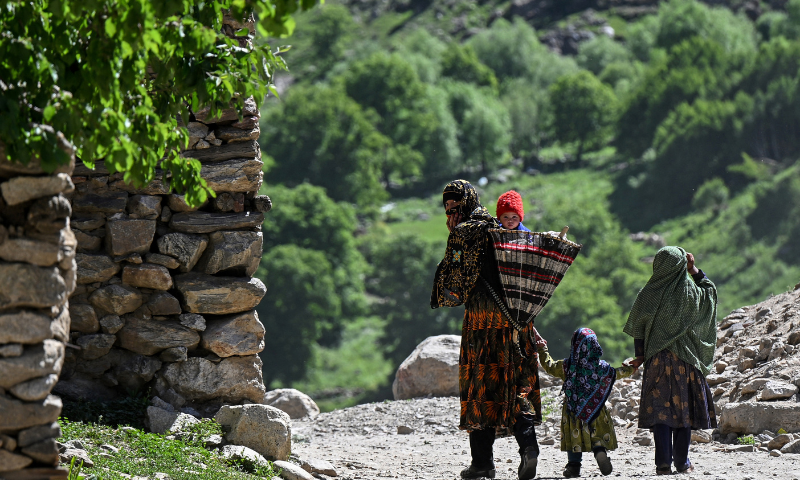
KABUL, Afghanistan: Five years after the Taliban swept back into power, Afghanistan is a country of stark contrasts: the guns have largely fallen silent, but for millions of young Afghans, the doors to education, employment and a normal future remain firmly shut.
In the streets of Kabul and other cities, life continues under the Taliban flag. Markets are open, universities operate, and the economy has returned to modest growth. But beneath that fragile appearance of normality lies a generation confronting unemployment, poverty and increasingly severe restrictions on daily life.
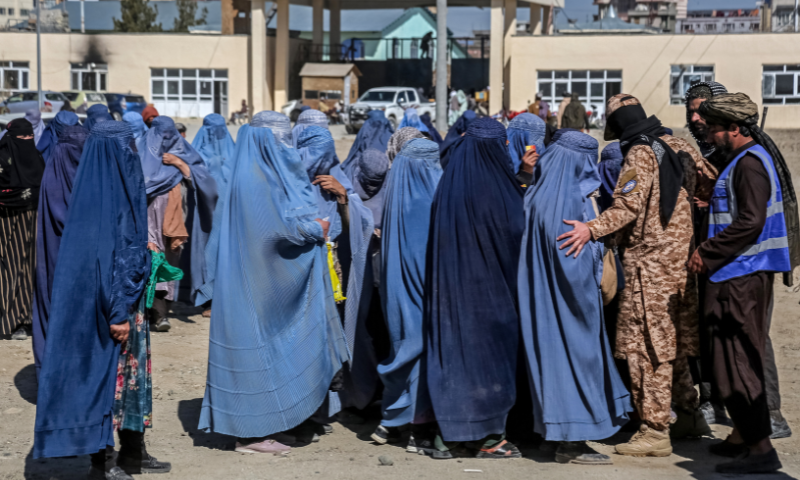
For Afghan women and girls, the transformation has been even more profound. Schools, universities, workplaces and public spaces that once formed part of their lives have increasingly become places they are forbidden to enter.
‘A Profound Sense Of Suffocation’
A 23-year-old Afghan woman, speaking to AFP anonymously because of security concerns, described five years of Taliban rule as an exhausting struggle.
“I feel a profound sense of suffocation,” she said.
“The five years have been so gruelling that I feel like a 500-year-old woman, one who cannot die.”
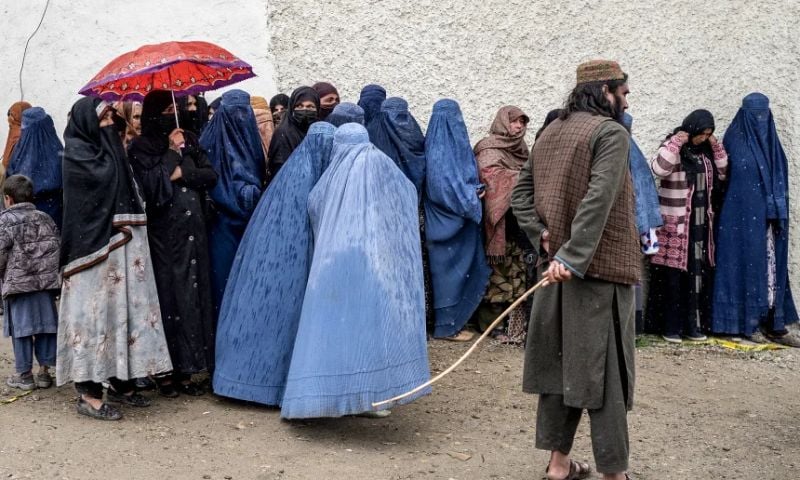
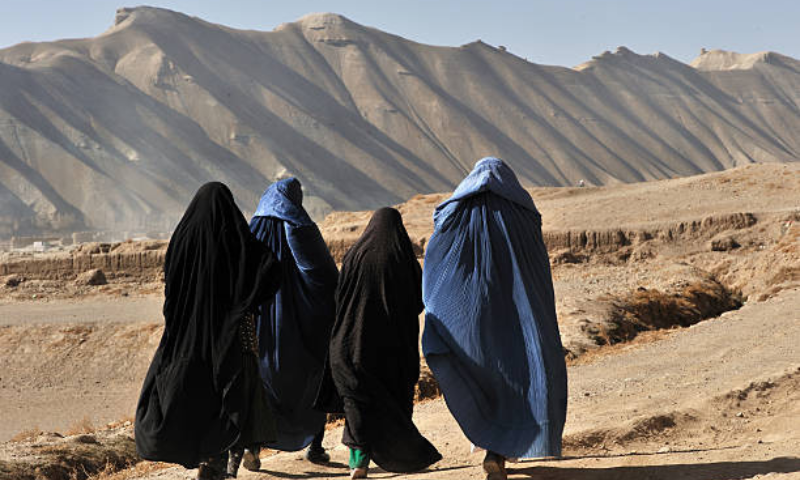
Her words capture the despair of many young Afghan women whose ambitions have collided with a system that has progressively restricted their education, employment, movement and participation in public life.
Girls remain barred from education beyond the age of 12, while women are excluded from universities and large sections of the workforce.
A Young Generation With Few Jobs
For young men, the crisis looks different but is no less real.
“The biggest challenge for young people is that there aren’t many jobs,” 20-year-old student Pirooz Mirzaie told AFP.
Afghanistan’s economy has shown signs of recovery, with the World Bank estimating real economic growth at around 4.8%. But population growth and the return of more than six million Afghans from neighbouring countries over the past three years have placed additional pressure on jobs, housing and public services.
GDP per capita is declining, meaning economic growth is failing to translate into improved living standards for many Afghans.
Women Shut Out Of Public Life
The Taliban’s restrictions on women have become one of the defining features of its rule.
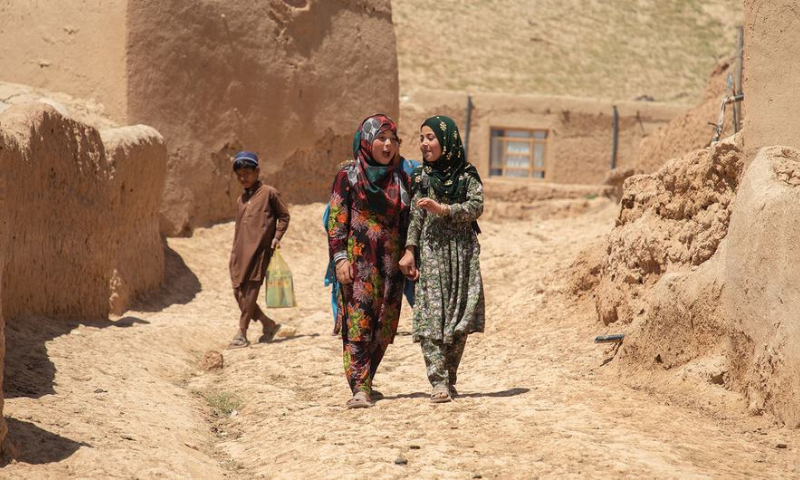
Women have been banned from many public spaces, including parks, and excluded from most jobs. Girls remain barred from secondary education, while women have been shut out of higher education.
The restrictions have triggered international condemnation and complicated the Taliban’s efforts to gain wider international recognition.
The United Nations has warned that Afghans are suffering “very real harm” as restrictions become increasingly entrenched.
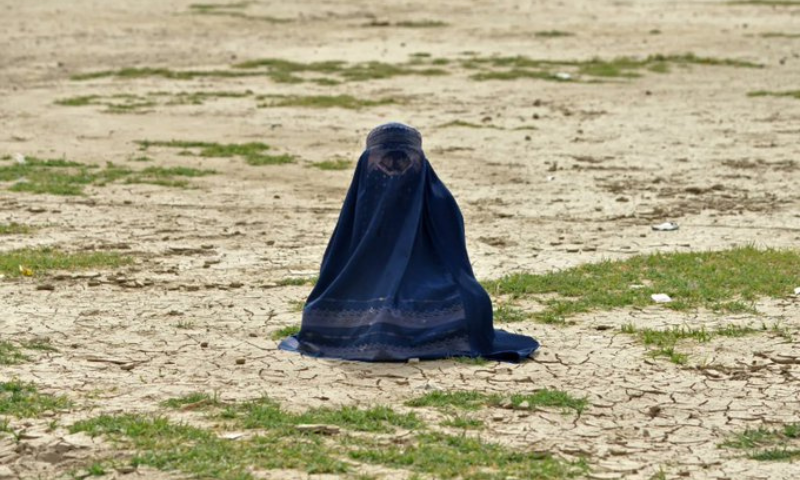
Fiona Frazer, the human rights director for the UN mission in Afghanistan, said Afghans had endured the “consolidation of suffocating restrictions that intrude on almost every aspect of their daily lives, and their human rights”.
A Media Sector Under Siege
Independent journalism has also suffered heavily since the Taliban takeover.
The Committee to Protect Journalists has criticised what it described as the authorities’ “brutal repression of the press”, saying media workers have been surveilled, detained, beaten, censored or forced into exile.
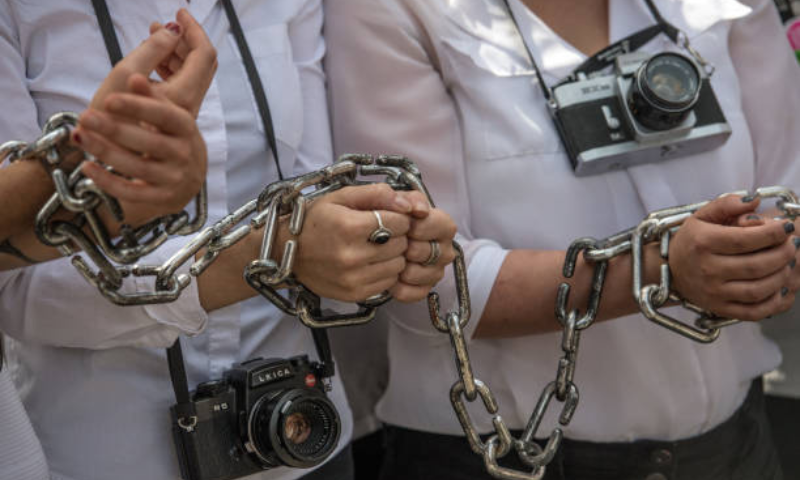
The shrinking media space has further limited the ability of Afghans to openly question the authorities or report on abuses.
Five Years On
The Taliban have maintained their grip on Afghanistan for five years, bringing an end to the large-scale foreign military presence and reducing the level of nationwide armed conflict.
But the price has been steep.
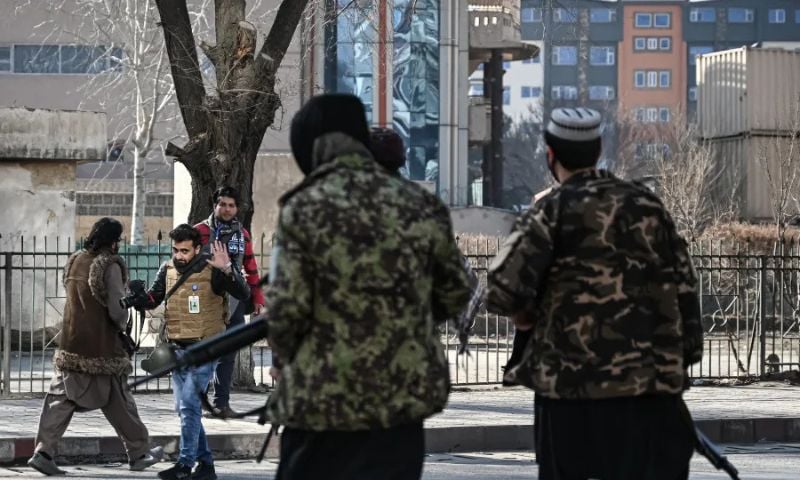
For millions of Afghans, especially women and girls, the past five years have meant a narrowing of their world — fewer classrooms, fewer jobs, fewer public spaces and fewer choices.
Afghanistan may have entered a post-war era, but for a generation growing up under Taliban rule, the struggle for a future has only taken a different form.