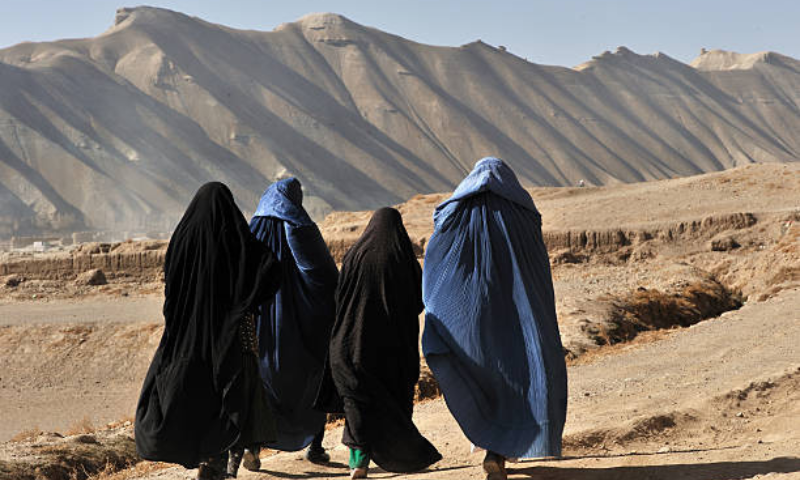
ISLAMABAD: Five years after the Taliban seized power in Afghanistan, women and girls are facing sweeping restrictions on their rights, with more than 100 decrees limiting their access to education, work, healthcare and freedom of movement, UN agencies said on Thursday.
The restrictions have intensified over the past year, while deep cuts in international aid have further weakened essential services for Afghan women and girls.
UN Women described the situation as the “world’s most severe women’s rights crisis”, warning that the exclusion of women from education, employment, public life and healthcare is having devastating consequences.
‘Devastating’ Impact
“The results are devastating,” UN Women said, pointing to shorter life expectancy, increased risks of maternal death, child marriage and gender-based violence, as well as the loss of education, employment and freedom of movement.
The agency said the restrictions had also contributed to a growing mental health crisis among Afghan women and girls.
Over the past five years, decrees imposed by the Taliban authorities have institutionalised discrimination and stripped women and girls of fundamental rights, according to new UN Women data.
Shut In
Half of the Afghan women interviewed by UN Women said they leave home only once or twice a month because of severe restrictions on their movement and access to public spaces.
More women are also reporting that they feel unsafe leaving home without a male guardian.
“This unparalleled crisis of women’s and girls’ rights is at risk of being forgotten by the world,” UN Women said.
Shut Out Of Education
An estimated 2.4 million girls remain excluded from secondary education in 2026, reversing two decades of progress in expanding access to education.
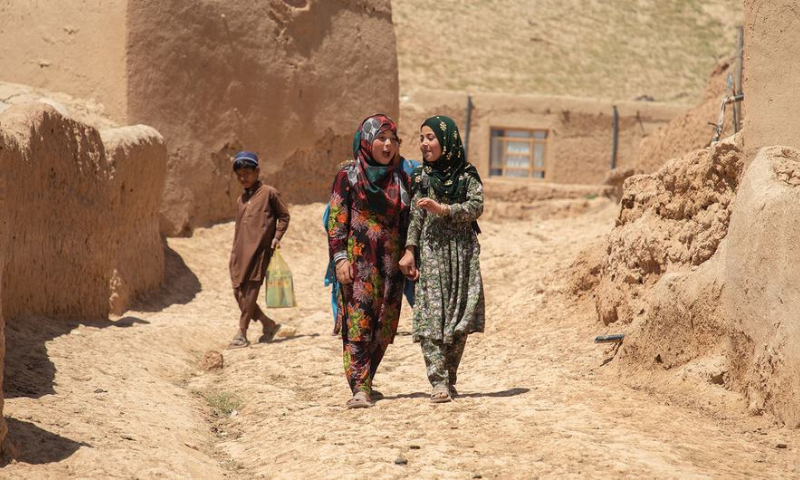
UNESCO said Afghanistan remains the only country in the world where girls and women are formally prohibited from continuing their education beyond the primary level.
“The continued exclusion of girls and women from education constitutes a grave violation of their fundamental human right to learn,” UNESCO said, warning that the policy risks condemning Afghanistan to decades of lost potential, deeper poverty and irreversible harm.
‘Erased From Public Life’
Women have also been barred from universities and excluded from most paid employment, while facing growing legal barriers to protection against violence, UNESCO said.
“Women have been erased from public life,” the UN agency said, warning that a new generation of girls is growing up without access to education.
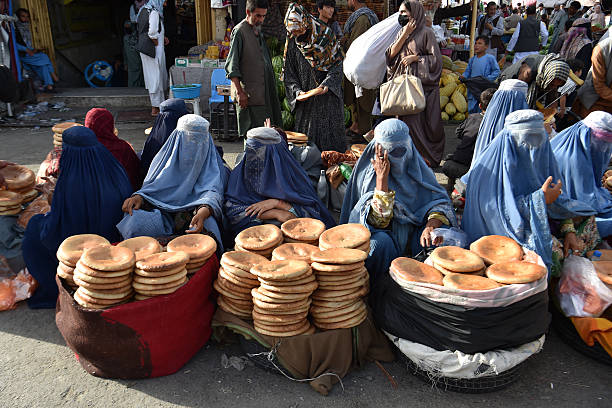
UNESCO called for the full restoration of the right to education for Afghan girls and women, echoing calls from other UN agencies and international leaders.
Stark Funding Cuts
The rights crisis is being compounded by declining international aid.
UN Women said nearly three-quarters of women-led organisations surveyed in Afghanistan experienced funding cuts in 2025.
UN Humanitarian Coordinator for Afghanistan Bruno Lemarquis warned that funding shortages could force health centres to close, leaving thousands of mothers and newborns vulnerable to preventable complications and death.
The UN World Food Programme also warned that severe funding cuts would affect food deliveries at a time when around 14 million Afghans are facing hunger.
The UN agencies warn that without sustained international support and a reversal of restrictions on women and girls, Afghanistan risks losing an entire generation of female students, workers and professionals.