NEW DELHI: An Indian Supreme Court judge has questioned the arrest and prolonged imprisonment of 14 Muslim youths over allegations they ate chicken biryani during an iftar gathering on a boat in the River Ganga, warning that space for dissent in India is shrinking.
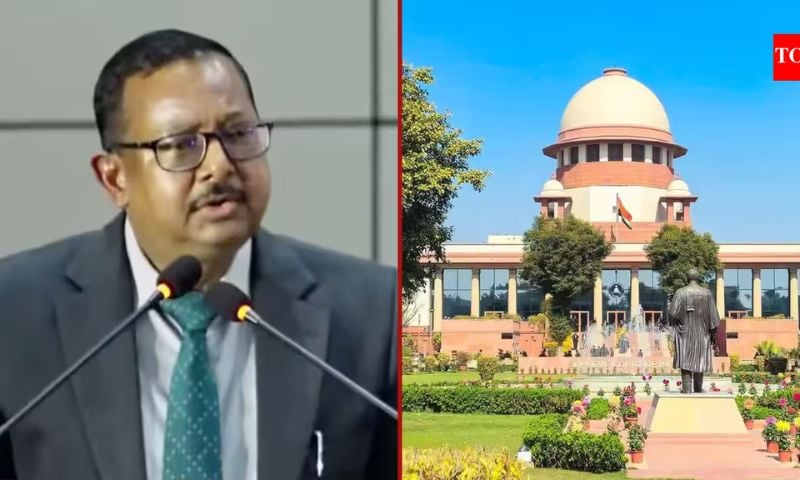
Justice Ujjal Bhuyan made the remarks while delivering the 4th Justice G.P. Singh Memorial Lecture at the National Law Institute University (NLIU) in Bhopal.
The judge said the youths spent three months in jail despite there being no law prohibiting the consumption of chicken on the River Ganga.
“I am sure consuming chicken biryani is not an offence. It can’t be an offence… they were arrested for that very reason, and they had to remain in jail for three months,” Justice Bhuyan said.
He questioned whether people could be arrested and denied bail for months for conduct that was not prohibited by law.
Arrests followed Iftar gathering
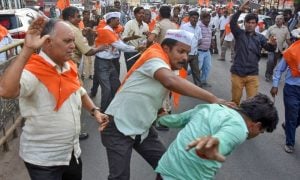
The 14 Muslim youths were arrested in March after allegations that they consumed chicken biryani while breaking their Ramadan fast during an iftar gathering on a boat in Varanasi, in the northern state of Uttar Pradesh.
According to the allegations, they threw meat remnants into the River Ganga.
Police booked the group under multiple provisions of the Bharatiya Nyaya Sanhita (BNS), including charges relating to outraging religious feelings, promoting enmity, creating a public nuisance and offences under environmental legislation, including the Water (Prevention and Control of Pollution) Act.
Justice Bhuyan noted that there was no law banning the consumption of chicken over the Ganga and questioned the legal basis for the arrests and prolonged detention.
Shrinking space for dissent in India
Justice Bhuyan said the case reflected a broader trend in which peaceful and ordinary activities were increasingly being treated as criminal offences.
“It will not be an exaggeration to say that public space for expressing divergent opinion is shrinking in India,” he said.
“The right to express one’s views and the right to demonstrate peacefully are fundamental freedoms of citizens. Debate and dissent are the essence of democracy. Unfortunately, even normal activities are being criminalised.”
The judge also criticised the treatment of environmental activists and student protesters, saying people raising concerns about environmental degradation were increasingly being treated as criminals.
“People who come to voice their anguish over environmental degradation, which is a reality, are chased away as if they are criminals. Students protesting on campuses are arrested, and they do not get bail for 30 to 40 days,” he said.