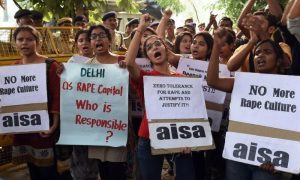
NEW DELHI: Amnesty International has criticised India’s decision to extend police powers under the National Security Act (NSA), warning that the move could lead to arbitrary detentions and undermine fundamental human rights.
The rights organisation condemned the July 15 order by Delhi’s Lieutenant Governor invoking Section 3(2) of the NSA, which allows police to detain individuals without trial under certain circumstances. The order has been extended until October 18.
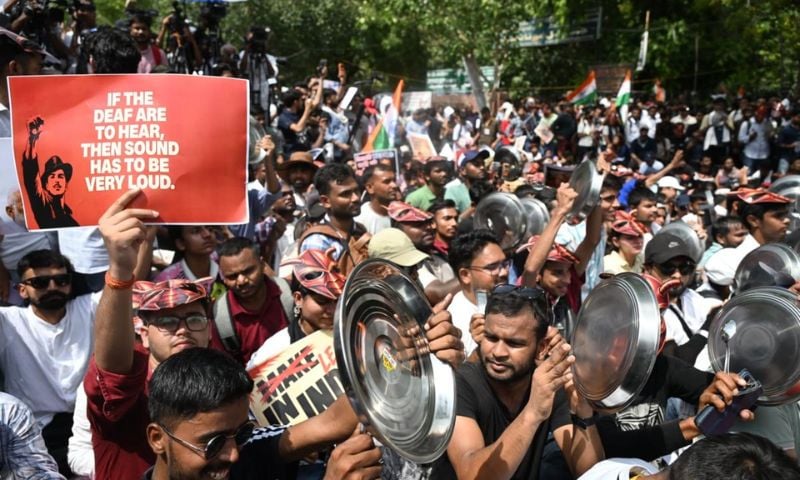
The decision comes amid widespread protests over leaks of the National Eligibility cum Entrance Test-Undergraduate (NEET-UG), India’s medical entrance examination.
Demonstrators have demanded accountability and reforms after the leak forced more than two million students to retake the exam.
Amnesty International India Chair Aakar Patel said the expanded powers allowed police to detain people for up to 12 months on broad grounds while limiting access to legal representation and delaying disclosure of the reasons for detention.
ALSO READ: India’s ‘Cockroach’ Movement Sets Deadline for Govt to Withdraw Cases Against Protesters
Delhi Police has described the measure as a routine administrative step. However, Amnesty argued that similar powers had previously been misused during public protests, including demonstrations against the Citizenship Amendment Act in 2020 and labour protests in Noida earlier this year.
The protests intensified following reports that several students died by suicide after the examination controversy. Demonstrators have also called for examination reforms and compensation for affected families.
Under the National Security Act, authorities can order preventive detention if they believe an individual poses a threat to public order or national security. Human rights organisations have long argued that the law conflicts with international standards protecting liberty, due process and the right to a fair trial.