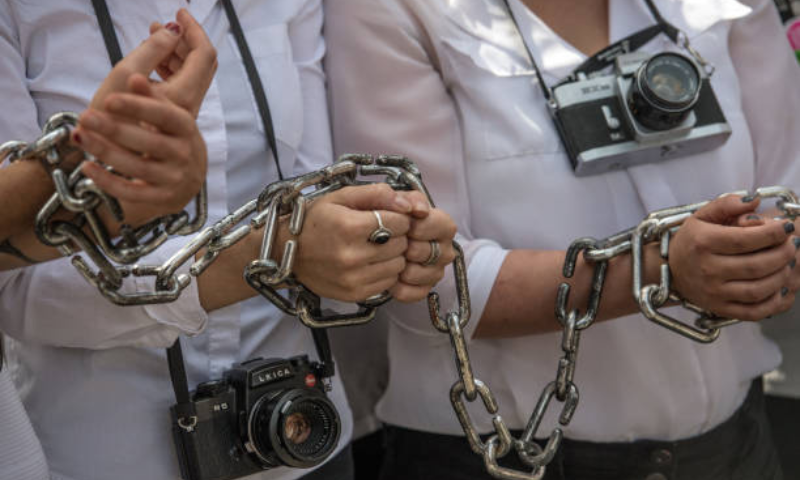
Kabul: Afghan journalists and media organisations are facing an organised and worsening campaign of repression under Taliban rule, marked by arbitrary arrests, physical violence, censorship and growing interference in media operations, according to a new report by the Afghanistan Media Support Organisation (AMSO).
The report, titled Under the Shadow of Fear and Censorship, was published this weekend and covers the period from 10 June to 10 July 2026.
Based on information collected from across Afghanistan, it assesses the country’s media environment in four areas: security and physical safety, administrative and professional challenges, technology, and ideological restrictions.
Journalists Face Arrests and Intimidation
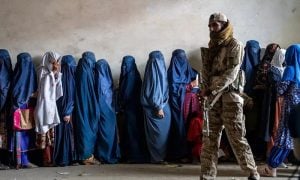
According to AMSO, journalists were subjected to arbitrary detention, mistreatment, beatings and security threats during the reporting period.
The organisation said some journalists were detained by Taliban intelligence after covering official events, while others were arrested and assaulted following routine disputes, including disagreements over transport fares.
AMSO said journalists released from detention were pressured not to speak publicly about their treatment or file complaints, a practice that has fuelled fear and increased self-censorship within the media community.
Tightening Restrictions on Media
The report also criticised the Taliban’s handling of official information, saying many government spokespersons issue announcements late at night or through personal social media accounts instead of official communication channels during working hours.
According to AMSO, the practice has complicated journalists’ access to information and, in some cases, contributed to administrative disputes and salary deductions.
The organisation also reported growing interference by the Taliban’s Ministry for the Propagation of Virtue and the Prevention of Vice, saying some radio stations had been warned against broadcasting female voices while ministry inspectors continued conducting visits to media outlets.
Journalists have also faced pressure to grow beards and modify their appearance in accordance with Taliban directives, the report said.
Reporting Curbs Deepen
AMSO said Taliban authorities warned journalists against reporting on Afghanistan’s economic challenges, rising fuel prices, internal disagreements among Taliban officials and security incidents, whether through traditional media or social media platforms.
According to the report, some journalists were threatened with detention or suspension for publishing such information.
The organisation also described restrictions on smartphone use in several government offices as a significant obstacle to reporting, saying the measures had disrupted access to official information, communication with government spokespersons and the production of video interviews.
Media Freedom Under Pressure
In its conclusion, AMSO said Afghanistan’s media sector was facing a deep, widespread and multidimensional crisis.
The organisation warned that shrinking press freedom, systematic restrictions on access to information, increasing security, economic and psychological pressure on journalists, and expanding censorship posed a serious threat to the future of independent media in Afghanistan and risked accelerating the loss of professional journalists from the industry.