Key Points
- Iran vows revenge for Ayatollah Ali Khamenei’s killing.
- US demands shipping guarantees through Hormuz Strait.
- Tehran rejects US conditions on strategic waterway.
- Nuclear negotiations continue in Oman despite tensions.
- Qatar pursues separate mediation with Iranian officials.
- Hormuz dispute threatens already fragile ceasefire.
- Fresh attacks inside Iran leave at least 17 dead.
ISLAMABAD: The interim understanding between the United States and Iran came under renewed strain on Saturday as both sides exchanged fresh threats, while diplomatic efforts continued amid escalating tensions over the Strait of Hormuz and Tehran’s nuclear programme.
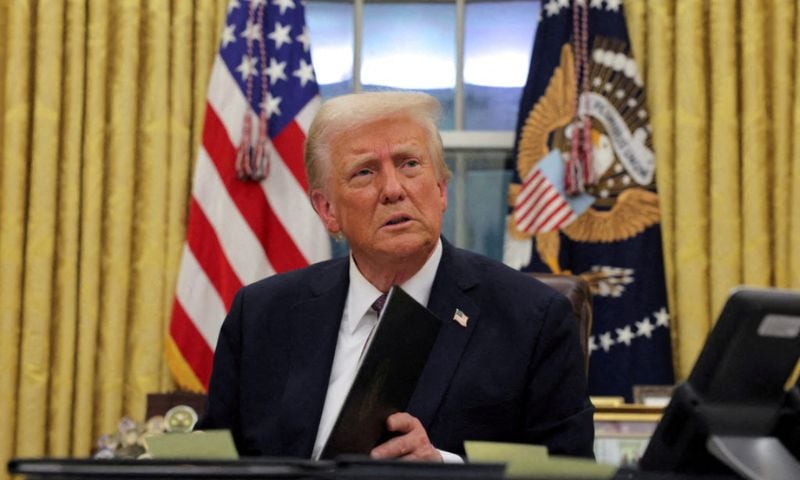
US President Donald Trump warned Iran of massive military retaliation if Tehran carried out threats against him, while Iranian Supreme Leader Mojtaba Khamenei vowed that the country would continue seeking revenge for the former Supreme Leader Ayatollah Ali Khamenei, according to the Associated Press (AP).
Trump issued the warning in a series of posts on Truth Social, declaring that hundreds of missiles were ready for launch should Iran act against the United States. His remarks followed public calls during Ayatollah Khamenei’s funeral for the assassination of both Trump and Israeli Prime Minister Benjamin Netanyahu, AP reported.
President Trump warns US would ‘decimate and destroy’ Iran over assassination attempthttps://t.co/JQD6XVPa6g
— Karoline Leavitt (@PressSec) July 11, 2026
Hormuz talks stall
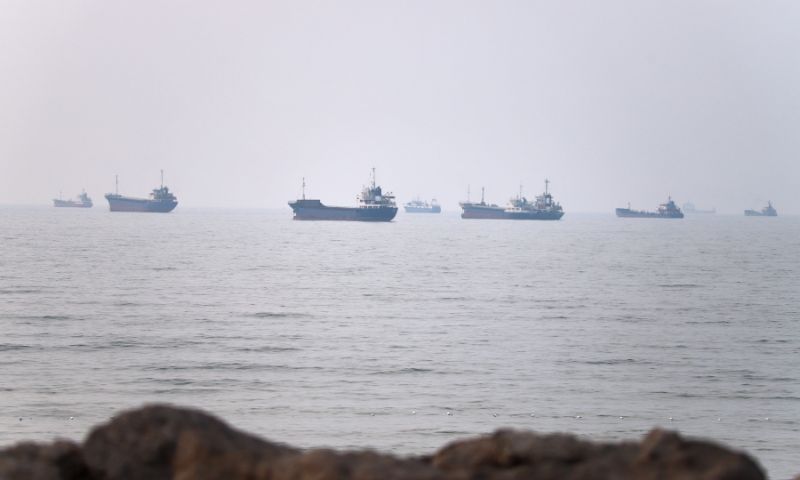
The latest rhetoric came as senior US officials demanded that Iran publicly guarantee safe passage through the Strait of Hormuz and refrain from attacking commercial shipping. Tehran has rejected those demands, insisting the strategic waterway remains under Iranian control and proposing that ships pay transit fees.
— Rapid Response 47 (@RapidResponse47) July 11, 2026
According to AP, the dispute over Hormuz has become a central obstacle in efforts to preserve the temporary ceasefire after days of US airstrikes and Iranian retaliatory attacks triggered by assaults on commercial vessels earlier this week.
Despite the growing tensions, diplomacy continued. Iranian Foreign Minister Abbas Araghchi travelled to Oman for further negotiations, while Qatari mediators separately visited Tehran in an effort to keep dialogue alive.
Read Also: Regional Mediators Seek to Rescue US-Iran Talks Amid Renewed Tensions: Report
AP reported that US officials believe President Trump is allowing only a limited window for negotiations before considering alternative options if talks fail.
Shipping route standoff
Iran, however, maintains that all decisions regarding navigation, security and demining operations in the Strait of Hormuz fall exclusively under its authority.
The strategic waterway handles roughly one-fifth of global oil and liquefied natural gas shipments. Although oil prices surged during the conflict, they have eased significantly since reaching wartime highs.
The AP also reported that uncertainty remains over a fresh wave of attacks inside Iran following recent US strikes. Iranian authorities said at least 17 people were killed and 115 wounded during two days of attacks.
Meanwhile, Araghchi accused Washington of undermining the interim understanding after the United States revoked waivers allowing Iran to sell crude oil in US dollars. He insisted that any agreement requires “mutual compliance.”
Iran has so far kept its word, unlike the so-called U.S. Treasury Secretary who is violating Para 9 of the MoU.
That violation follows other violations and missteps by the United States.
Reality check: There can only be mutual compliance.
— Seyed Abbas Araghchi (@araghchi) July 11, 2026
According to AP, Washington is also demanding that Tehran surrender its stockpile of highly enriched uranium as part of any future nuclear agreement. Iran has repeatedly rejected that condition, maintaining its nuclear programme is intended solely for peaceful purposes.