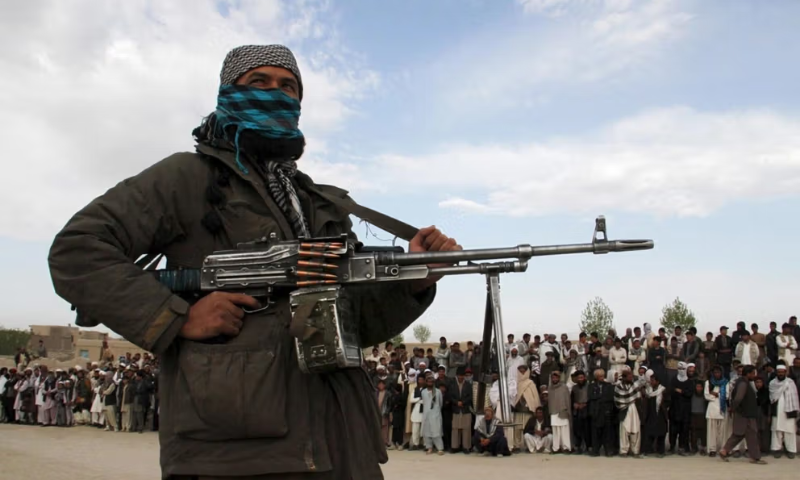
ISLAMABAD: Afghanistan has become a major hub for terrorism and extremism under Taliban rule, with terrorist organisations using the country as a base for recruitment, training and cross-border operations, according to a new report by the Council on Foreign Relations (CFR).
The Council on Foreign Relations (CFR) is an independent, non-partisan American think tank based in New York City that specialises in US foreign policy and international affairs.
The assessment, published on 6 July 2026 by the CFR’s Centre for Preventive Action in its Global Conflict Tracker, warns that the security situation in Afghanistan continues to threaten neighbouring countries and regional stability nearly five years after the Taliban returned to power.
According to the report, the Taliban continues to enforce absolute control over Afghanistan through its strict interpretation of Sharia law while failing to prevent terrorist groups from operating inside the country.
The report says terrorist organisations, including al-Qaeda, have turned Afghanistan into a base for recruiting, training and deploying fighters beyond the country’s borders, posing an increasing threat to regional security.
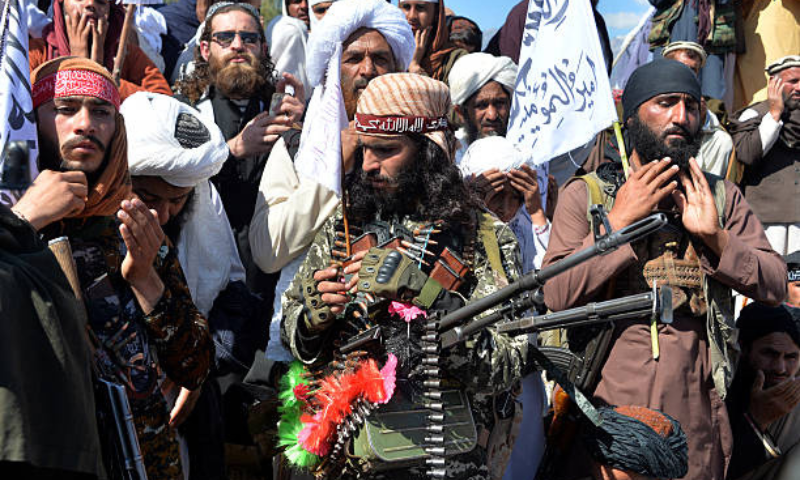
It also states that Afghans continue to face a serious threat from terrorist attacks under Taliban rule.
Restrictions Under Taliban Rule
The CFR report says the Taliban’s ban on girls’ secondary education remains in force, while women continue to face severe restrictions on their freedom.
According to the report, women are still required to travel with a male guardian and cover their faces in public, measures that have drawn widespread international criticism since the Taliban regained power in August 2021.
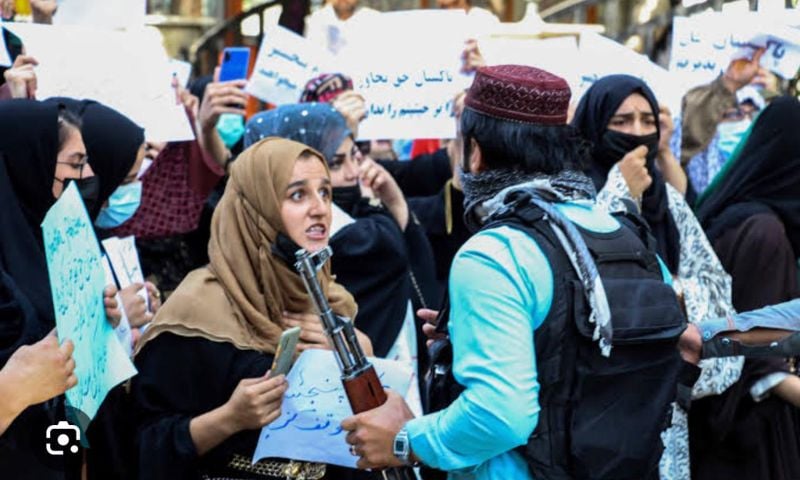
The think tank says the restrictions reflect the Taliban’s continued enforcement of its strict interpretation of Islamic law despite repeated international calls to restore the rights of women and girls.
Pakistan-Afghanistan Relations
The report highlights deteriorating relations between Pakistan and Afghanistan, saying tensions have intensified following cross-border security incidents.
According to the CFR, Pakistan launched military operations in response to attacks by the banned Tehreek-e-Taliban Pakistan (TTP), which Pakistani authorities say operates from Afghan territory.
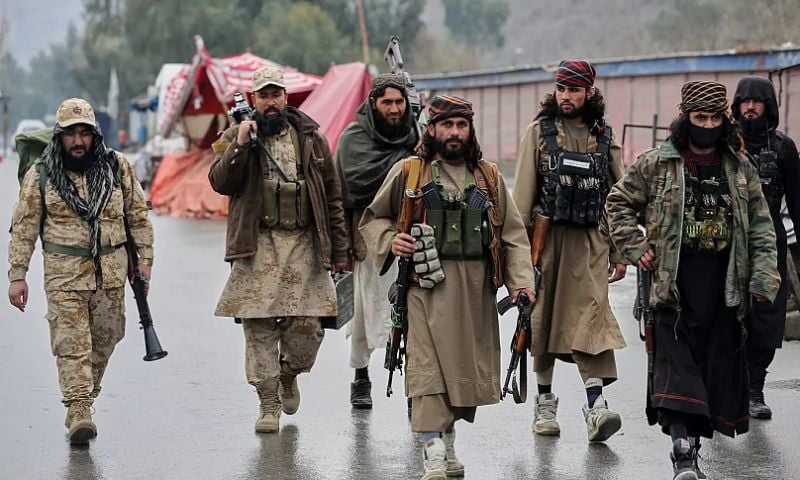
The report notes that 2025 was Pakistan’s deadliest year in more than a decade, with conflict-related deaths rising by 74% to more than 3,400.
It says tensions escalated further during February and March 2026 as cross-border hostilities increased.
The report adds that China has sought to mediate between Islamabad and Kabul through talks held in Urumqi, although no formal agreement has yet been reached.
Persistent Terrorist Threat
The CFR warns that the Islamic State Khorasan Province (ISIS-K) remains capable of carrying out sophisticated attacks both within the region and internationally.
The report cites the group’s continued operational capability, including its involvement in the Moscow attack in March 2024, as evidence that terrorist networks based in Afghanistan continue to pose a global security challenge.
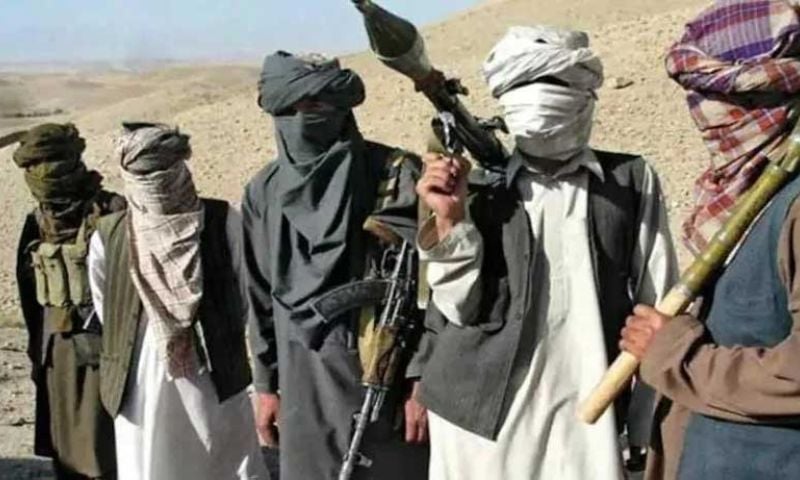
According to the report, the continued presence of multiple terrorist organisations inside Afghanistan remains one of the country’s most serious security concerns.
Humanitarian Crisis Deepens
Beyond security, the report says Afghanistan continues to face one of the world’s worst humanitarian crises.
According to the CFR, nearly 23 million people—almost half of Afghanistan’s population—required humanitarian assistance in 2025.
The report also says more than 28% of the population suffered from malnutrition, underscoring the scale of the country’s humanitarian emergency.
The Council on Foreign Relations concludes that the Taliban’s continued rule, the presence of terrorist organisations and the worsening humanitarian situation remain major challenges for Afghanistan and a source of instability across the wider region.
The Council on Foreign Relations (CFR) is an independent, non-partisan American think tank based in New York City that specialises in US foreign policy and international affairs.
Founded in 1921, it is one of the most influential foreign policy research institutions in the United States. CFR publishes research, policy analysis and reports on global security, diplomacy, economics, terrorism, conflicts and international relations. It also publishes the well-known journal Foreign Affairs.