BEIJING: Pakistan’s exports to China rose sharply during the first five months of 2026, increasing by 48.7 per cent year-on-year to more than $1.55 billion, according to the latest figures released by China’s General Administration of Customs (GACC).
The data showed that Pakistan exported goods worth $1.55 billion between January and May 2026, compared with $1.04 billion during the same period last year, reflecting an increase of approximately $507 million and underscoring strengthening trade ties between the two countries.
Copper products remained the leading contributor to Pakistan’s export earnings from the Chinese market. Exports of copper and related products reached $675 million during the five-month period, accounting for nearly 44 per cent of total shipments. The figure represented a 71.7pc increase from the $393 million recorded a year earlier.
Trade momentum was particularly strong in March, when exports surged to $361.6 million, marking an 84.3pc increase compared with March 2025. Analysts attributed the rise to higher copper exports and the commencement of the rice export season. Exports remained robust in the following months, reaching $331 million in April and $286 million in May, both exceeding the monthly averages recorded in 2025.
Among Chinese provinces, Zhejiang remained the largest destination for Pakistani products, importing goods worth $480.7 million during the period. The province’s role as a major copper-processing centre continued to support demand for Pakistani exports.
Beijing recorded one of the most significant increases in imports from Pakistan, with purchases rising from $101 million to $232 million. The growth was largely linked to increased procurement of rice and sesame seeds by state-linked buyers.
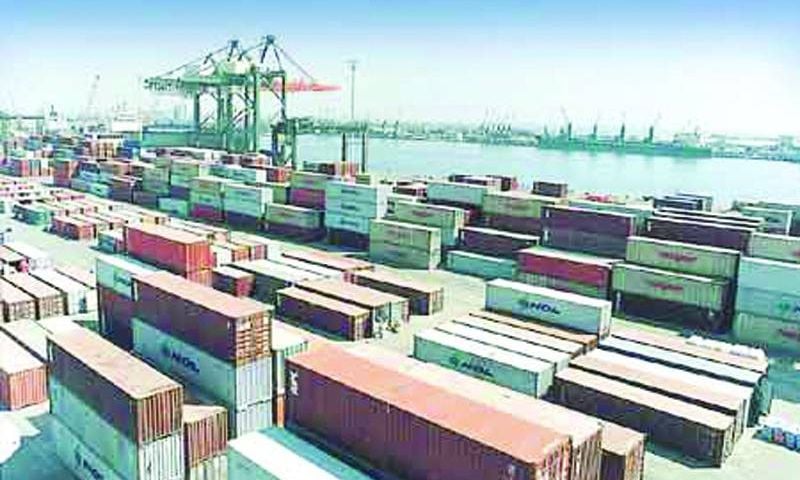
Meanwhile, Guangxi Zhuang Autonomous Region emerged as a growing trade gateway, with imports from Pakistan tripling to $53 million. Officials attributed the rise to expanding overland trade routes linked to the China-Pakistan Economic Corridor (CPEC), including logistics networks connecting Gwadar with western China.
Trade experts said the China-Pakistan Free Trade Agreement (CPFTA) continued to play a vital role in facilitating bilateral commerce. Official data indicated that exports worth $2.16 billion during Pakistan’s 2024-25 fiscal year were conducted under preferential tariff arrangements provided by the agreement.
Negotiations on the proposed third phase of the CPFTA are currently underway. The new phase is expected to cover around 700 additional tariff lines and could further improve Pakistani access to the Chinese market in sectors such as cereals, halal meat, processed textiles and mineral products.
In a separate development highlighting expanding agricultural cooperation, Pakistan recently exported 2,000 buffalo embryos to China under a material transfer agreement between Pakistan’s Ministry of National Food Security and Research and China’s Royal Group.
The shipment follows the earlier export of 10,000 buffalo embryos, valued at approximately $2 million, which were delivered to China in several phases.
Dr Qaiser Shahzad, programme manager for Royal Cell Biotechnology’s Pakistan operations, said Chinese companies planned to import at least 300,000 buffalo embryos from Pakistan in the coming years to meet rising demand for high-yield dairy breeds.
He noted that Pakistani buffaloes are highly regarded in China for their superior milk quality and productivity, making them attractive for breeding and genetic improvement programmes.
According to Royal Cell Biotechnology (Guangxi) Co. Ltd, China’s buffalo milk market is currently valued at around RMB5 billion. Company officials said growing consumer demand for buffalo milk products is expected to create further opportunities for cooperation between the two countries in the livestock and biotechnology sectors.
The latest trade figures and agricultural exports reflect the broadening scope of Pakistan-China economic engagement, extending beyond traditional goods trade into advanced agricultural and biotechnology collaboration.