Key Points
- Anaemia affects 57 per cent of women in Gaza
- Health system overwhelmed
ISLAMABAD: Gaza’s reproductive health indicators have deteriorated dramatically, with miscarriages rising to more than three times the global average and birth rates plunging by two-thirds within months.
According to Palestinian health authorities, continued violence, displacements and malnutrition are having the far-reaching human impact of the ongoing conflict beyond immediate casualties.
Dr Muneer Alboursh, Director General of Gaza’s Ministry of Health, said the worsening trends were linked to continued violence, mass displacement, severe food insecurity and the near-collapse of Palestine’s healthcare system.
He warned that the crisis was increasingly affecting pregnancies and reproductive health, raising concerns about long-term demographic and social consequences.
Health data for April 2026 showed the miscarriage rate had reached 460 cases per 1,000 live births, more than three times the global average.
Subsequent indicators suggest the rate has since exceeded 500 cases per 1,000 live births, reflecting an absence of the medical, nutritional and environmental conditions required to sustain healthy pregnancies.
According to the findings, 57 per cent of pregnant women in Gaza are suffering from anaemia.
The grave situation has placed the territory among the regions with the highest prevalence rates globally.
Health experts cited oxygen deprivation and inadequate maternal nutrition as major factors increasing the risk of pregnancy complications and miscarriage.
Gaza’s alarming birth rate decline
At the same time, registered births have fallen sharply. Monthly births declined from 6,076 in November 2025 to 2,004 in April 2026, representing a 67 per cent decrease in less than six months.
The decline has been linked to widespread malnutrition, contaminated water supplies, food shortages, repeated displacement and prolonged psychological stress. The breakdown of maternal and reproductive healthcare services has compounded the crisis.
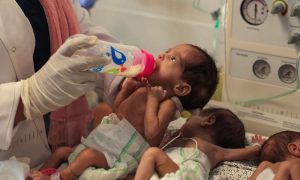
Health officials said the cumulative impact of the war and the deterioration of public services had pushed the territory beyond a conventional humanitarian and health emergency.
They warned that the crisis now posed a threat to the reproductive future and population continuity of Palestinians in Gaza.
The deterioration in Gaza’s reproductive health indicators is resulting from nearly three years of war, repeated displacement and the collapse of much of the enclave’s civilian infrastructure.
ALSO READ: French Doctors Regret Health, Humanitarian Crisis in Gaza
The situation becomes simply unlivable for women, especially in times of pregnancy, when Israeli forces attack displacement camps.
The Gaza war has severely damaged hospitals, clinics and maternity facilities, leaving large segments of the population with limited or no access to essential healthcare services.
Most Gazan women avoid visiting the nearby healthcare centres due to the fear of Israeli raids on the hospitals and medical camps in the name of targeting Hamas.
International aid agencies have repeatedly warned that shortages of food, medicine, fuel and clean water have pushed Gaza into a prolonged humanitarian crisis. Women and children are among the most vulnerable groups amid systematic persecution and genocide of the Palestinian population.
According to humanitarian organisations, pregnant and breastfeeding women face heightened risks from malnutrition, anaemia and inadequate prenatal care. These conditions can contribute to pregnancy complications and adverse birth outcomes.
The United Nations and relief agencies have also highlighted the psychological toll of sustained conflict, displacement and economic hardship.
They noted that chronic stress can have significant effects on maternal and infant health. The mental health crisis is creeping in parallel to the alarming rise in miscarriage rates and drastic plunge in the birth rate.
Health experts warn that prolonged disruptions to reproductive and maternal healthcare can produce lasting demographic consequences. Reduced fertility rates and increased infant and maternal health risks would continue to undermine population resilience long after active hostilities subside.
Palestine’s fragmented healthcare system, irritants and obstacles in the way of international and humanitarian assistance and attacks on hospitals have heightened the risk of drastic demographic changes.