
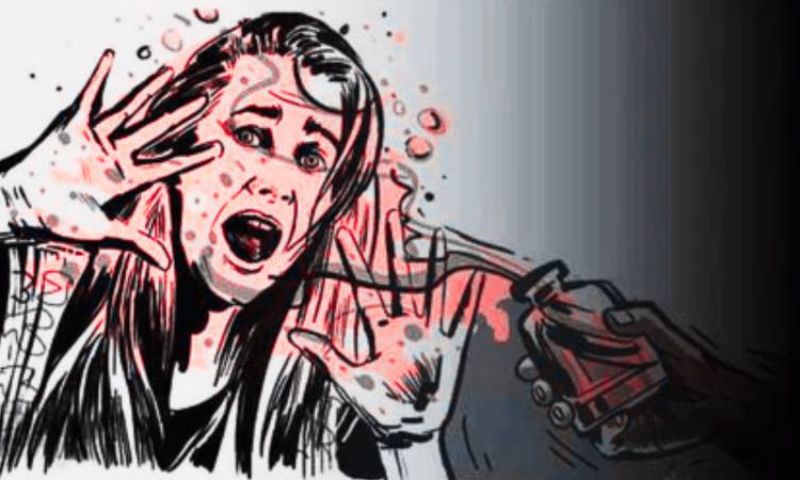
ISLAMABAD: Across Pakistan, survivors of acid violence carry far more than physical scars, they bear shattered dreams, years of surgeries, social stigma, and the anguish of knowing their attackers often walk free within years. For too long, the law has offered sympathy, not justice. That may soon change.
On June 9, Nawabzada Mir Jamal Khan Raisani submitted the Criminal Law (Amendment) Bill 2026 in the National Assembly, proposing sweeping amendments to Section 336-B of the Pakistan Penal Code.
The bill seeks to retain existing punishments, life imprisonment, a minimum 14-year term, and a fine of Rs1 million, while adding the death penalty as an additional sanction for convicted acid attackers.
کرمنل لا ترمیمی بل 2026:تیزاب گردی کے مجرموں کے لیے سزائے موت کی تجویز
I strongly endorse this amendment. Acid throwers don’t just scar faces,they sentence victims to years of surgeries,a trauma & stigma. Life worse than death.
Law must be as brutal as the crime to the victim. pic.twitter.com/FinY5zmRwF— JahanAra Manzoor Wattoo (@JahanAraWattoo) June 19, 2026
The proposed legislation comes in the wake of the shocking acid attack on Dr. Mahnoor Nasir in Quetta, an incident that sent waves of outrage across the country and reignited calls for stricter punishment.
The bill also references a previous observation by the Supreme Court of Pakistan, which noted that acid attacks can, in some respects, be more heinous than murder, because survivors are condemned to endure the consequences for the rest of their lives.
The amendment has garnered strong support from human rights advocates and legislators, with Jahan Ara Manzoor Wattoo, Vice Chairperson of the Punjab Social Protection Authority (PSPA), emerging as one of its most vocal endorsers.
“Acid throwers don’t just scar faces, they sentence victims to years of surgeries, trauma, and stigma. A life worse than death. The law must be as brutal as the crime to the victim,” Wattoo said in a passionate statement.
Death penalty for acid throwers is deterrence, not revenge. It tells every potential culprit: destroy a life, you lose your own.
Full support to lawmakers pushing this bill. Pakistan must stand with survivors @JamalRaisanihttps://t.co/MqVhij07e1— JahanAra Manzoor Wattoo (@JahanAraWattoo) June 19, 2026
Taking to social media, she elaborated on her personal connection to the issue: “I’m working closely with acid attack survivors, and it’s very close to my heart. I’ve held hands through surgeries, heard stories of dreams burned away, and seen their fight for dignity daily. For me, this isn’t policy. It’s personal. Survivors deserve justice, not just sympathy.”
Wattoo dismissed criticism that the amendment amounts to revenge, framing it instead as a necessary deterrent. “Death penalty for acid throwers is deterrence, not revenge. It tells every potential culprit: destroy a life, you lose your own. Full support to lawmakers pushing this bill. Pakistan must stand with survivors.”
I’m working closely with acid attack survivors.And it’s very close to my heart. I’ve held hands through surgeries, heard stories of dreams burned away, and seen their fight for dignity daily.
For me this isn’t policy. It’s personal. Survivors deserve justice, not just sympathy.— JahanAra Manzoor Wattoo (@JahanAraWattoo) June 19, 2026
The bill now awaits consideration by the National Assembly under the legislative process. If passed, Pakistan will join a small number of countries that have authorised capital punishment for acid attacks, sending a powerful message that such violence will no longer be tolerated.
Quetta acid attack survivor Dr Mahnoor is being sent to the United States for advanced medical treatment, with all expenses covered by the Government of Balochistan pic.twitter.com/P0tgqU6caW
— Hafsa Malik (@kashmiricanibal) June 19, 2026
Human rights organisations have cautiously welcomed the move while urging lawmakers to ensure that the legal process remains fair and that survivors receive comprehensive medical, psychological, and social support beyond punitive measures.
For survivors like Dr. Mahnoor Nasir and countless others who have suffered in silence, the bill represents a glimmer of hope, that their pain has finally been heard, and that the law may now stand firmly on their side.