Key Points
- Microalgae technology absorbs carbon dioxide and releases oxygen.
- Researchers tested over 100 algae species for seven months.
- Most effective algae strain was identified in Sukkur.
- AI system monitors real-time carbon absorption and oxygen release.
- Liquid trees will initially be installed in major malls.
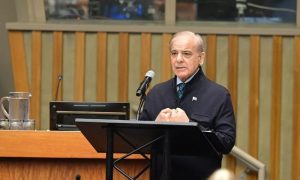
LAHORE, Pakistan: Punjab Chief Minister Maryam Nawaz Sharif has announced the launch of Pakistan’s first Environmental Protection Agency (EPA)-certified “Liquid Tree” project, describing it as a major step towards making Punjab an environment-friendly province.
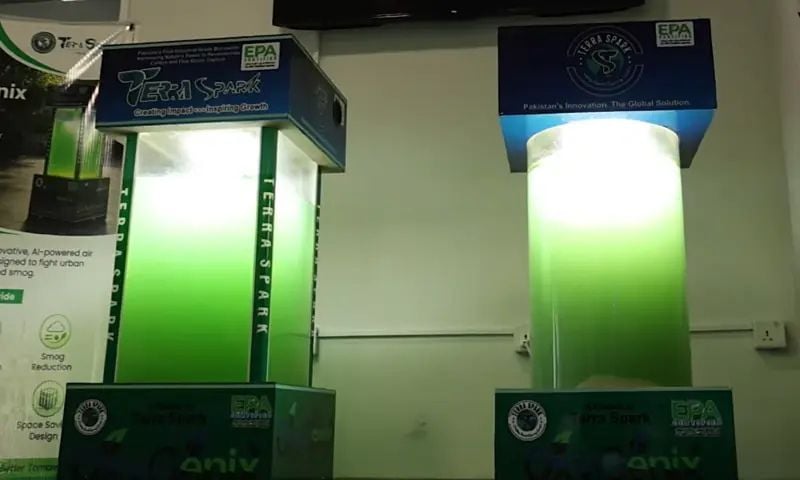
According to an official handout issued on Sunday, the algae-based “bio-artificial tree” technology is being brought from Faisalabad to Lahore after completing its development and testing phases.
Maryam Nawaz said the initiative represented another breakthrough in the province’s efforts to tackle pollution and improve environmental conditions.
EPA-certified technology
The chief minister said, “the Liquid Tree is the first technology certified by EPA Punjab since 1987 that absorbs carbon dioxide in the form of an artificial tree.”
She was informed that researchers collected more than 100 species of microalgae from different parts of the country, stretching from Karachi to Khyber, and tested the carbon sequestration capacity and effectiveness of each species over a period of seven months.
Officials briefed her that the most effective algae strain was identified in Sukkur, Sindh. Its seeds were subsequently cultivated at Government College University Faisalabad in collaboration with researchers involved in the project.
The authorities further informed the chief minister that the system had been equipped with an artificial intelligence-based calculator capable of displaying, in real time, the amount of carbon dioxide being absorbed and oxygen being released.
Maryam Nawaz praised the Environmental Protection Agency, researchers and the scientific team involved in developing the project, saying the trial phase reflected the creativity, expertise and dedication of Punjab’s researchers, bio-scientists and EPA officials.
From trial to expansion
The chief minister directed the relevant departments to expand the project following the successful completion of its experimental phase.
She said the technology could bring a significant transformation in Punjab’s efforts to improve environmental conditions and combat pollution.
According to the handout, liquid trees will initially be installed at large shopping malls, both indoors and outdoors, during the first phase of the project.
The Chief Minister expressed hope that the initiative would prove to be a “game-changer” in reducing pollution levels in urban centres.
She said the technology used algae grown in water inside a bioreactor to remove carbon dioxide from the environment, describing it as one of the most advanced scientific approaches to addressing carbon emissions and smog in cities.
The chief minister added that artificial trees installed in large plazas and commercial areas could contribute to environmental improvement in a manner similar to conventional trees.
What is a liquid tree?
A liquid tree is a bio-reactor system that uses microalgae suspended in water to absorb carbon dioxide through photosynthesis and release oxygen. Unlike conventional trees, these systems require less space and can be deployed in densely populated urban environments where planting large numbers of trees may not be feasible.
Scientists around the world have increasingly explored algae-based carbon capture technologies as supplementary tools to improve air quality and reduce greenhouse gas emissions, particularly in heavily polluted cities. However, experts generally view such systems as a complement to, rather than a replacement for, natural forests and urban tree cover.
Punjab’s battle against smog
Punjab, particularly Lahore, has faced recurring smog episodes in recent years, especially during the winter months. The deteriorating air quality has prompted authorities to introduce a range of mitigation measures, including restrictions on industrial emissions, anti-smog campaigns, plantation drives and increased environmental monitoring.
The introduction of the liquid tree project marks another attempt by the provincial government to explore innovative technologies aimed at improving urban air quality and addressing the growing environmental challenges posed by climate change and pollution.