MIAMI: Visa delays, entry denials and heightened immigration scrutiny have emerged as a major talking point ahead of the FIFA World Cup 2026, raising concerns among players, officials and fans as the tournament gets underway across the United States, Canada and Mexico.
The latest controversy involves Somali referee Omar Artan, who was denied entry to the United States despite holding a valid visa and being selected among FIFA’s official World Cup referees. Artan, who was set to become the first Somali referee to officiate at a World Cup, was turned back upon arrival and returned home, where he received a hero’s welcome.
His case has intensified criticism of US immigration policies, with human rights groups and legal experts warning that travel restrictions risk affecting the inclusiveness of one of the world’s largest sporting events.
Iran’s national team also faced uncertainty before receiving visas shortly before the tournament. While players were eventually cleared to travel, several members of the support staff reportedly remained unable to secure entry permits. The team will be based in neighbouring Mexico and travel to the United States only for matches.
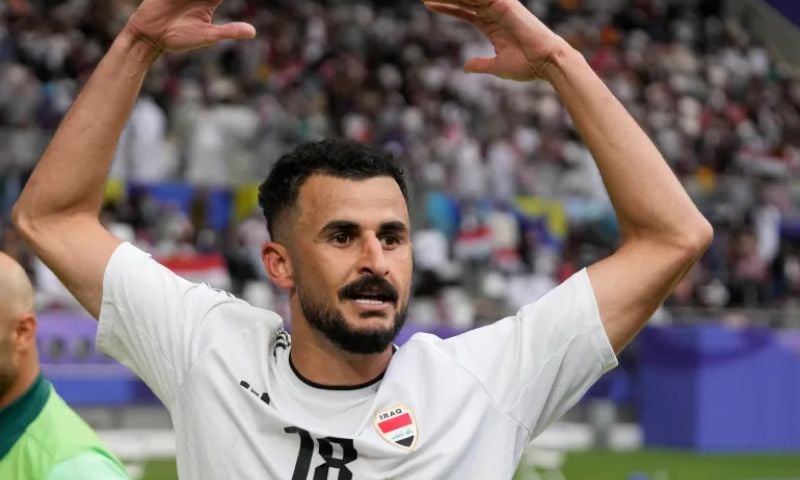
Iraq striker Aymen Hussein was detained for several hours at Chicago’s O’Hare International Airport before being allowed entry. Iraq’s national team photographer, Talal Salah, was denied entry after lengthy questioning.
Elsewhere, Haiti midfielder Woodensky Pierre received his visa only after significant delays, forcing him to miss part of his team’s preparations. Switzerland forward Breel Embolo also encountered visa complications linked to a previous legal case before eventually being cleared to travel.
The issues have sparked debate over the responsibilities of host nations. FIFA regulations require visa procedures for tournament participants to be applied in a non-discriminatory manner while respecting national security laws.
FIFA President Gianni Infantino has acknowledged the concerns but stressed that the governing body cannot override government immigration decisions. As the expanded 48-team World Cup begins, travel restrictions and visa disputes have become an unexpected storyline alongside the football itself.