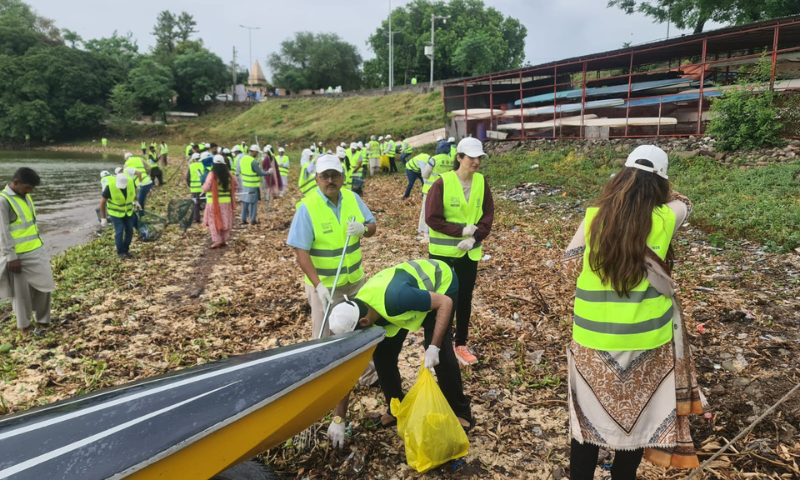
ISLAMABAD: A clean-up campaign at Rawal Lake in Islamabad has uncovered hazardous medical waste, discarded syringes and large quantities of plastic litter, highlighting growing environmental and public health concerns at one of the capital’s most important water reservoirs.
The initiative, organised by the Pakistan Environmental Protection Agency (Pak-EPA) in collaboration with Nestlé Pakistan and supported by the Small Dams Department, brought together students, civil society groups and community volunteers to clear waste from the lake’s shoreline and surrounding areas.
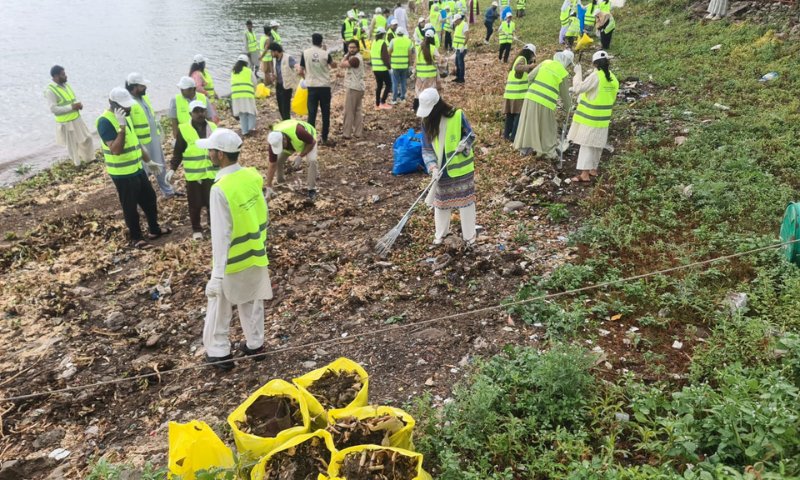
During the operation, volunteers collected significant amounts of solid waste, including plastic bottles, packaging materials and potentially hazardous medical waste.
The discovery of syringes and hospital-related refuse highlighted the environmental and public health risks posed by improper waste disposal practices.
Concerns over pollution
Rawal Lake serves as a major source of water for the capital and is a popular recreational destination. However, environmental officials say frequent littering, plastic pollution and contamination threaten the lake’s ecosystem and water quality.
Participants in the campaign warned that plastic waste entering freshwater bodies can harm aquatic life, degrade natural habitats and contribute to long-term environmental damage.
Officials also stressed the dangers associated with medical waste, which can pose serious health risks if disposed of improperly.
Call for sustained action
Addressing participants, Pak-EPA Director General urged citizens, particularly young people, to play a greater role in protecting natural resources and maintaining environmental cleanliness.
He said the discovery of plastics and hospital waste at Rawal Lake should serve as a warning about the growing pressure on the environment and called for continuous community engagement rather than one-off clean-up activities.
The campaign formed part of activities marking World Environment Day and sought to raise awareness about protecting freshwater resources, reducing plastic pollution and preserving natural ecosystems.