MUZAFFARABAD: Concerns are growing among traders and business owners across Azad Jammu and Kashmir (AJK) as the Joint Awami Action Committee (JAAC) has decided to proceed with its planned strike on June 9 despite ongoing negotiations with the federal and AJK governments.
The decision came after marathon talks between government representatives and JAAC leaders concluded without a final agreement late on Saturday. While both sides agreed to continue dialogue, the strike call remains in place, raising fears of economic disruption in the region.
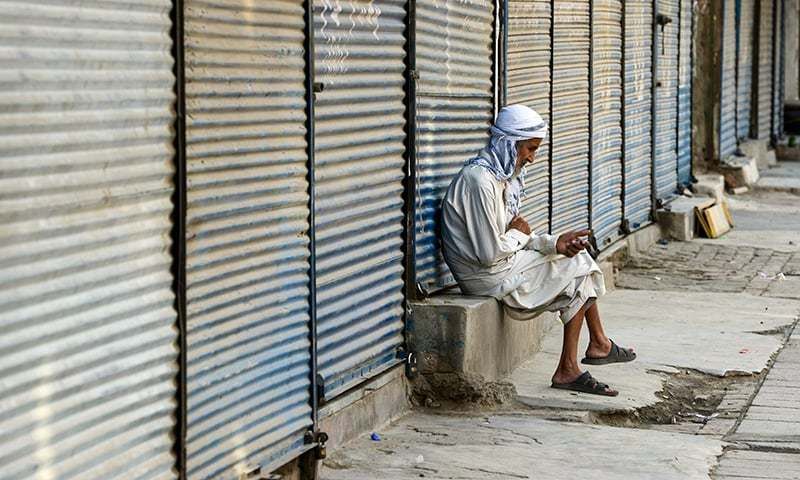
Members of the business community say another shutdown could negatively affect commercial activity, transport services and the livelihoods of thousands of daily wage earners who depend on uninterrupted economic activity.
Traders argue that markets in Muzaffarabad, Mirpur, Kotli and other major towns have only recently recovered from previous periods of uncertainty and disruption. They fear that a region-wide strike could lead to significant financial losses for small businesses already operating under challenging economic conditions.
“Whenever markets close and transport slows down, it is the ordinary worker who suffers the most. Large businesses may absorb temporary losses, but daily wage earners lose their income immediately,” said a trader in Muzaffarabad.
Daily Wage Earners and Transport Sector Concerned
Business leaders maintain that the greatest burden of prolonged strikes is often borne by labourers, transport workers, shop employees and other daily wage earners whose incomes depend on regular business activity.
“If markets remain closed for even a day, people like us feel the impact immediately because our income depends on daily work. We hope all sides can resolve their differences through dialogue,” said a labourer working in the AJK capital.
Transport operators have also expressed concern over the potential impact on passenger movement and the supply of goods across the region.
“Any disruption to transport services affects the movement of passengers as well as the supply of goods to markets across AJK. Businesses rely on uninterrupted transport links, especially during periods of increased commercial activity,” said a representative of the local transport sector.
Talks Continue Despite Deadlock
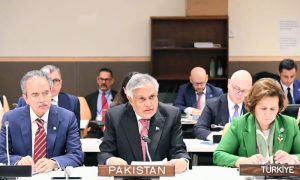
The latest round of negotiations, which lasted more than nine hours, focused on various demands raised by the JAAC. The most contentious issue remained the proposal to abolish 12 legislative assembly seats reserved for refugees residing in Pakistan.
Government representatives have maintained that the matter involves constitutional, legal and historical considerations and cannot be resolved through immediate executive action.
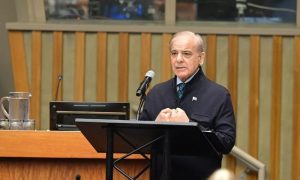
Following the talks, Prime Minister’s Adviser Rana Sanaullah stressed that the dialogue process remained alive despite the absence of a breakthrough.
“The negotiations have absolutely not failed; this process will continue,” he told reporters, adding that discussions had taken place in a positive atmosphere and that proposals had been exchanged between the two sides.
According to government representatives, an all-parties conference is expected to be convened to discuss the issue further, with another round of talks likely to take place before the planned strike date.
Stability Needed Ahead of Elections
The developments come at a time when political activity is increasing ahead of expected AJK elections later this year. Although the election schedule has not yet been announced, political observers believe stability and continuity of governance are essential for ensuring a smooth electoral process.
Many traders and residents have urged all stakeholders to continue negotiations and seek a peaceful resolution through dialogue.
Business leaders argue that economic stability, investor confidence and public welfare should remain top priorities, warning that repeated disruptions risk undermining commercial activity and affecting ordinary citizens who rely on daily business for their livelihoods.