
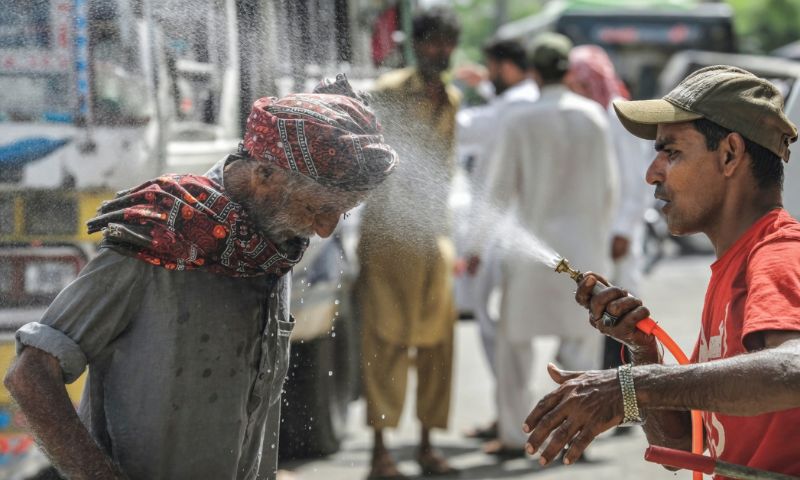
Key Points
- Pakistan Meteorological Department issues nationwide heatwave advisory
- Temperatures in several regions are likely to remain 4°C to 7°C above normal
- Southern and central districts expected to face extreme daytime heat
- Authorities advise people to avoid unnecessary outdoor exposure during peak hours
- Children, women and elderly people are identified among the most vulnerable groups
ISLAMABAD: Pakistan’s weather authorities on Thursday warned of widespread heatwave conditions during the upcoming Eid-ul-Adha holidays, with temperatures forecast to rise significantly above normal levels across much of the country from May 25 to May 31.
The Pakistan Meteorological Department (PMD), through its National Weather Forecasting Centre in Islamabad, said daytime temperatures in many areas could remain between 4°C and 7°C above seasonal averages.
The adversary raised concerns over public health, water stress and pressure on electricity demand during one of the country’s busiest travel and holiday periods, and the year’s hottest months.
According to the official advisory issued on May 21, southern parts of the country, including Sindh and parts of Balochistan and southern Punjab, are expected to experience the most intense heat, with daytime temperatures potentially reaching 46°C to 48°C in some districts.
The advisory said temperatures in central and upper regions, including parts of Punjab, Khyber Pakhtunkhwa, Azad Kashmir and Gilgit-Baltistan, are also likely to remain substantially above normal during the forecast period.
Among the areas specifically identified in the advisory were Jacobabad, Larkana, Mohenjo-Daro, Dadu, Nawabshah, Hyderabad, Sukkur, Khairpur, Bahawalpur, Multan, Dera Ghazi Khan, Sibi, Turbat and Panjgur. These are historically among Pakistan’s hottest districts during late spring and early summer.
Pakistan’s Met Office warned that the prolonged spell of high temperatures could accelerate snow and glacier melt in northern mountainous areas.
Glacial Lake Outburst Floods (FLOF) potentially could affect water flows and increase the risk of flash flooding in vulnerable valleys later in the season.
Authorities advised the public to avoid direct exposure to sunlight during peak afternoon hours, particularly between 11:00 am and 4:00 pm. They also urged people to increase water intake and minimise unnecessary outdoor activities.
The advisory specifically highlighted risks to children, senior citizens and women, urging families travelling during Eid holidays to take precautions against dehydration and heat-related illnesses.
Pakistan frequently experiences severe heatwaves between May and July, but meteorologists say rising climate variability has increased the intensity and duration of extreme weather events in recent years.
The country ranks among the top ten hotspot climate-affected countries.
People in Pakistan are highly vulnerable to climate-related disruptions. They bear the brunt, although they contribute only a fractional share to global greenhouse gas emissions.
In recent years, Pakistan has faced repeated cycles of extreme heat, floods, droughts and erratic rainfall patterns linked to broader climatic shifts.
The Eid holidays traditionally trigger large-scale domestic travel across Pakistan. Millions of people move from major metropolitan centres to their hometowns for Eid fetivities.
Eid al-Adha drives even more inland travel, as people prefer to do the sacrificial ritual with their larger families back in their native areas.
Provincial disaster management authorities and local administrations have been advised to remain alert during the forecast period and ensure emergency response readiness in case of heat-related incidents.