KABUL: For years, Afghanistan has been described as one of the worst places in the world to be a woman under Taliban rule. But reducing the crisis to a debate about “women’s rights” no longer captures the scale of what is unfolding inside the country.
What Afghanistan faces today is not merely discrimination — it is the slow construction of a system designed to erase women from public existence altogether.
From hospitals and schools to humanitarian organisations and aid networks, women are being systematically removed from the institutions that sustain daily life.
According to an analysis published by The Conversation, a non-profit media platform, the consequences now stretch far beyond gender inequality, threatening the collapse of healthcare, education, food distribution, and social support systems across the country.
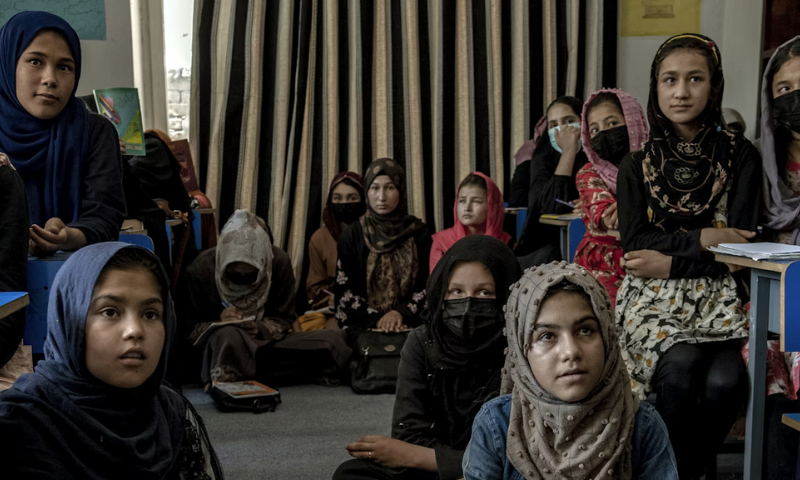
The Taliban has steadily tightened restrictions on women since returning to power in 2021. Women have been barred from universities, excluded from most forms of employment, and pushed out of public spaces.
In recent weeks, female healthcare workers were reportedly stopped from entering a United Nations facility by Taliban authorities, further deepening fears over access to lifesaving assistance.
These restrictions are not isolated policies. Together, they form an expanding structure that determines who is allowed to work, who can provide aid, and, ultimately, who is permitted to survive.
Increasingly, activists and experts are describing the situation as “gender apartheid” — a system in which people are segregated and excluded solely because of their gender.
The effects are cumulative and devastating.
When women are removed from schools, hospitals lose future nurses and doctors. When female teachers disappear, entire generations of girls lose access to education. When aid organisations cannot employ women, humanitarian networks lose contact with half the population.
In Afghanistan, where cultural restrictions often prevent male workers from interacting freely with women, the absence of female staff creates dangerous gaps in healthcare, food distribution, and protection services.
The crisis is already reshaping institutions at their core.
Hospitals are losing trained female staff. Schools are losing experienced teachers. Aid organisations are struggling to reach vulnerable households. Beyond immediate disruptions, Afghanistan is also losing institutional memory — the professional knowledge and expertise that can no longer be passed to future generations.
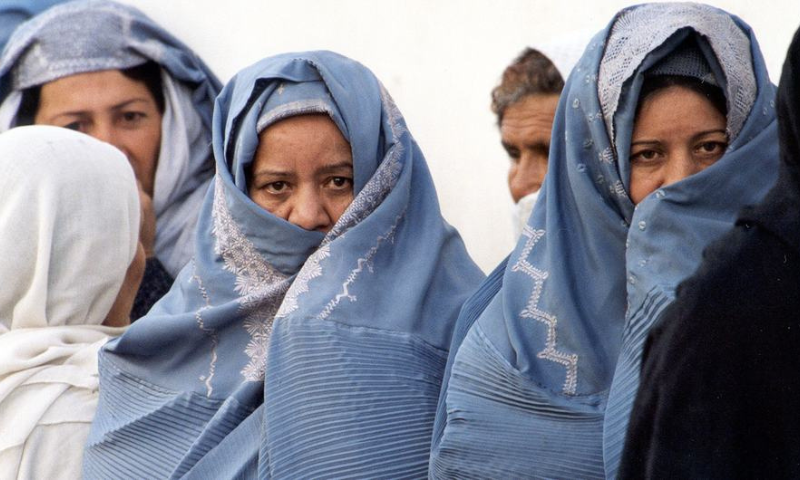
Over time, services are shrinking as organisations suspend operations due to shortages of female workers. Entire communities, particularly women and children, are increasingly left without reliable access to support.
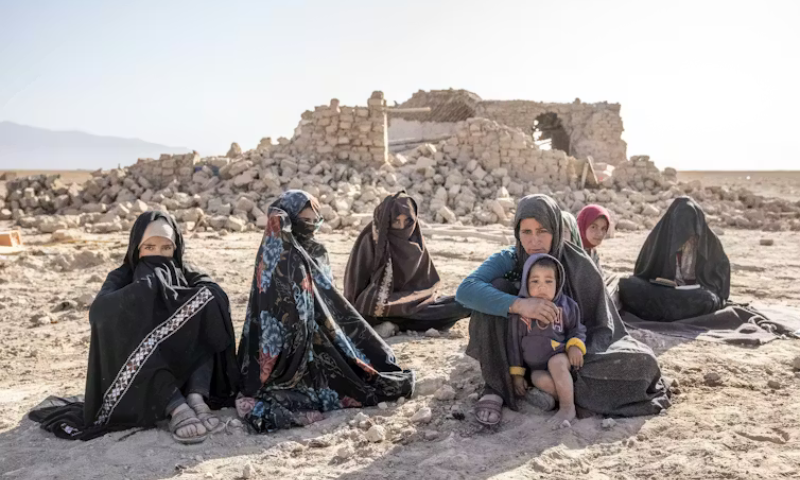
The humanitarian impact is especially severe in rural and remote areas, where female-headed households already face extreme vulnerability.
Aid agencies also warn that restrictions on women are damaging the accuracy of humanitarian assessments. With female outreach workers largely absent, critical information about hunger, abuse, and medical emergencies is becoming harder to collect.
As a result, the people most in need risk disappearing from official data altogether.
UNICEF estimates that Afghanistan could lose as many as 25,000 female teachers and healthcare workers because of Taliban restrictions on girls’ education. In a country where many women are prohibited from receiving treatment from male healthcare providers, the consequences could evolve into a full-scale medical emergency.
Meanwhile, growing numbers of Afghan women are being pushed into informal or hidden labour markets, where exploitation and abuse are harder to monitor.
Humanitarian organisations now face an increasing dilemma: continue operating under Taliban restrictions and risk legitimising them, or scale back operations and leave millions without assistance.
Rights advocates warn that the longer the crisis continues, the more Afghanistan’s exclusion of women risks becoming normalised rather than treated as an emergency demanding urgent international action.
The deeper fear is not only what Afghanistan has already lost, but whether systems once dependent on women’s participation can ever be rebuilt.