


Key Points
- Trump to receive Pentagon briefing on new Iran military options
- Plan includes “short and powerful” strikes on Iranian targets
- Option to control parts of the Strait of Hormuz under consideration
- Naval blockade remains Trump’s primary leverage for now
- Military action possible if Iran does not shift stance
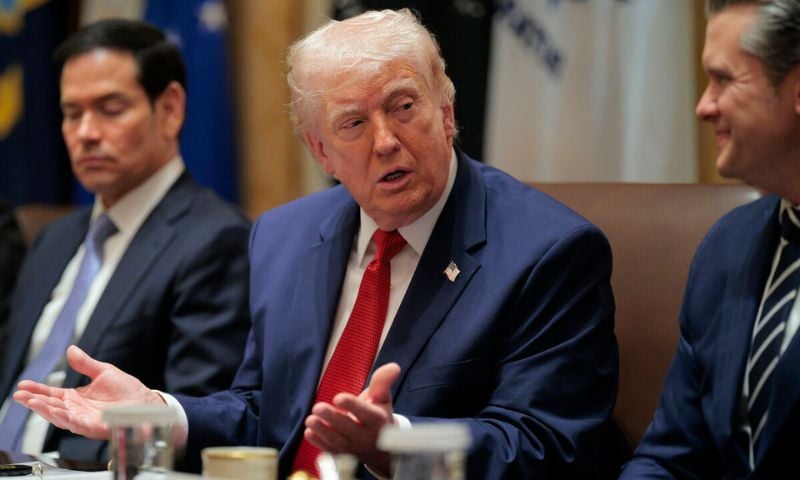
WASHINGTON: US President Donald Trump is scheduled to receive a high-level briefing on Thursday outlining a range of new military options targeting Iran, according to a report by Axios citing informed sources.
The briefing will be delivered by the commander of US Central Command (CENTCOM), Admiral Brad Cooper, and is expected to focus on strategies designed to increase pressure on Tehran amid the ongoing diplomatic deadlock.
Officials familiar with the matter indicate that the Pentagon has prepared multiple scenarios, reflecting growing frustration in Washington over stalled negotiations.
Among the options under consideration is a proposal for a “short and powerful” wave of precision strikes against Iranian targets.
These strikes could extend beyond strictly military installations to include critical infrastructure, to compel Iran to reconsider its current negotiating stance.
The plan reportedly emphasises speed and intensity to deliver a decisive signal without escalating into a prolonged conflict.
Another scenario expected to be presented involves taking partial control of the Strait of Hormuz, a strategically vital waterway through which a significant portion of the world’s oil supply passes. Such a move would be aimed at ensuring the uninterrupted flow of commercial shipping.
However, this option could require the deployment of US ground forces, raising the stakes considerably in terms of both military engagement and regional stability.
According to the report, President Trump currently views the existing naval blockade measures against Iran as his primary source of leverage.
Nonetheless, he is said to be increasingly open to the possibility of direct military action should Tehran fail to show flexibility or willingness to compromise in ongoing talks.
The development underscores a potentially critical juncture in US-Iran relations, as Washington weighs the balance between diplomatic pressure and military escalation.