


Key Points
- US considers first-ever deployment of “Dark Eagle” hypersonic missile in the Middle East
- Iran shifts missile launchers beyond range of existing US strike systems
- Proposal comes despite ongoing ceasefire between Washington and Tehran
- No final decision yet; move could escalate future conflict
- Potential deployment signals US response to Russia and China’s hypersonic advances
WASHINGTON: The United States is actively considering deploying its advanced “Dark Eagle” hypersonic missile system to the Middle East for a potential strike against Iran, according to a report by Bloomberg, citing informed sources.
The proposal has been put forward by US Central Command (CENTCOM), which argues that Iran has repositioned key ballistic missile launchers beyond the effective range of existing American high-precision strike systems.
This strategic shift, officials believe, has reduced the deterrent capability of conventional US weapons currently deployed in the region.
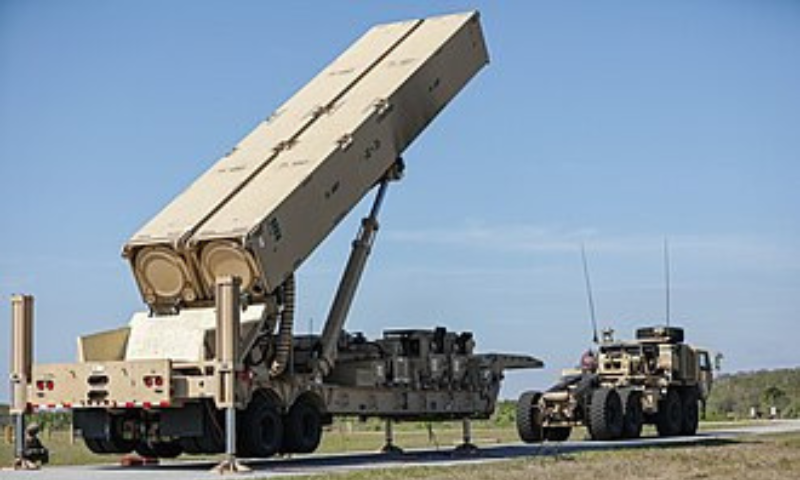
The Dark Eagle system, a long-delayed hypersonic missile programme, is designed to travel at speeds exceeding Mach 5 while maintaining manoeuvrability, making it significantly harder to detect and intercept.
If approved, this would mark the first-ever operational deployment of a US hypersonic weapon, despite the system not yet being fully integrated into active service.
According to sources familiar with the discussions, the request highlights limitations of the Precision Strike Missile (PrSM), which has a range of just over 300 miles.
Iranian launch platforms, the report suggests, have been deliberately moved deeper into the country, placing them outside the reach of such systems.
No final decision has been taken on CENTCOM’s request so far, and the proposal remains under review. Military officials have declined to comment publicly on the matter.
The development comes amid a fragile ceasefire between Washington and Tehran, which has been in place since April 9 after being unilaterally extended by US President Donald Trump.
Despite the pause in hostilities, the consideration of deploying a hypersonic weapon indicates that contingency planning for renewed conflict is underway.
Recent diplomatic efforts have also continued in parallel. Iranian officials, through intermediaries, have reportedly presented a three-phase framework for further negotiations with the United States.
The first phase focuses on ending hostilities and securing guarantees against future military action involving Iran and Lebanon.
The second phase proposes discussions on managing the strategically critical Strait of Hormuz following the conflict, while the third phase would address Iran’s nuclear programme.
However, Tehran has indicated that progress on nuclear talks would depend on agreements reached in the earlier stages.
US officials have expressed scepticism over aspects of Iran’s proposal, particularly the sequencing of negotiations and the suggestion to delay nuclear discussions. Counterproposals from Washington are expected in the coming days.
Analysts warn that the current ceasefire may only be temporary, with both sides using the lull to regroup and reassess military strategies.
Experts suggest that any future confrontation could prove more intense and technologically advanced, especially if hypersonic capabilities are introduced into the theatre.
Beyond its immediate implications for US-Iran relations, the potential deployment is also seen as a strategic signal to global rivals, notably Russia and China, both of which have already fielded hypersonic weapons.
A US move to operationalise such a system could indicate a shift in the global balance of advanced military technologies.
As deliberations continue, the situation underscores the delicate balance between diplomacy and military preparedness in an increasingly volatile regional and global security environment.