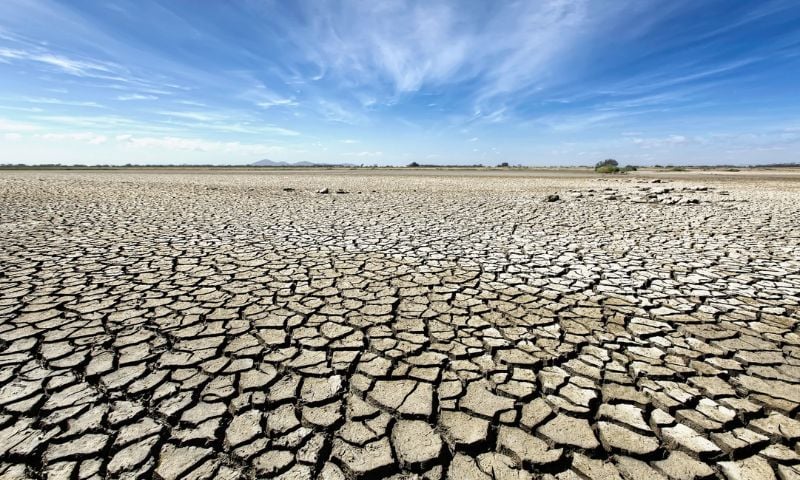
STOCKHOLM: Extreme weather events such as floods, wildfires, and heatwaves are increasingly disrupting elections worldwide, posing a growing challenge to democratic systems, according to a new report released on Wednesday.
The study, published by the Stockholm-based International Institute for Democracy and Electoral Assistance (International IDEA) to mark Earth Day, found that at least 94 elections and referendums across 52 countries were affected by natural hazards between 2006 and 2025.
Of these, 26 were either fully or partially postponed due to disasters.
The report, titled “Managing Natural Hazards and Climate Risks in Elections,” highlights how climate change — driven by rising global temperatures — is intensifying extreme weather, leading to disruptions such as damaged infrastructure, displaced voters, and last-minute changes to voting processes.
Fragile democratic systems
“From hurricanes and floods to wildfires and heatwaves, these events are damaging infrastructure, displacing voters and forcing last-minute changes to electoral processes,” International IDEA said.
In 2024 alone, extreme weather impacted 23 elections in 18 countries. The report cites several examples, including Hurricane Sandy’s effect on the 2012 US elections, a major earthquake in Turkey in 2023, a severe heatwave during the Philippines’ 2025 polls, and floods and landslides in Bosnia’s 2024 local elections.
“As climate-related risks intensify, the pressure on already fragile democratic systems is expected to grow.”
Experts say better planning is essential. Professor Sarah Birch of King’s College London stressed the need to schedule elections during periods less prone to disasters.
Election timelines
“Elections should be held when disasters are least likely; in some cases, electoral management bodies will also need to consider alterations to election timelines to reduce the likelihood of disruption by short-lived disasters,” she said.
The report also warns of long-term consequences, noting that disasters can deepen social grievances and fuel misinformation.
“Precarity and trauma from natural hazards can exacerbate affected citizens’ existing grievances, facilitate the spread of conspiracy theories and impose additional hardship on society’s most vulnerable people,” it said.
The authors urged governments to treat elections as “critical infrastructure that is susceptible to environmental threats and in need of special protections”, recommending that electoral systems be included in climate adaptation and disaster preparedness plans.