
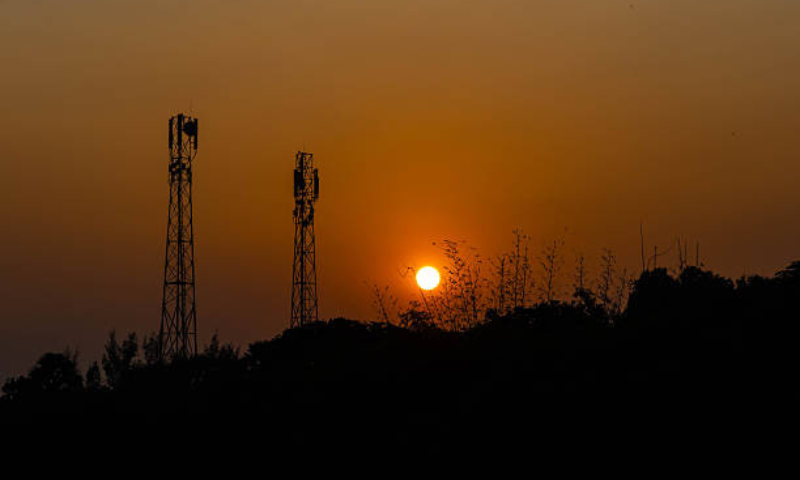
DHAKA: Bangladesh faces a widespread shutdown of mobile phones without rapid improvements in fuel shortages sparked by the Middle East war, operators said Monday.
The South Asian nation of 170 million people imports 95 percent of its oil and gas, mostly from the Middle East, and shortages have hit hard, with queues at filling stations lasting for as long as 12 hours.
The Association of Mobile Telecom Operators of Bangladesh (AMTOB) said Monday that continued telecom operations can no longer be sustained without the fuel needed to power operations, including data centres.
“The situation has escalated beyond the operational control,” AMTOB wrote in a letter to the Bangladesh Telecommunication Regulatory Commission (BTRC).
“If these conditions persist, there is an imminent risk of large-scale telecom network shutdowns across significant parts of the country.”
It said the impact had already begun.
“Mobile network operators (MNOs) are experiencing severe operational distress due to the prolonged unavailability of commercial power and the lack of assured fuel supply for backup systems,” it said.
It said data centres consume approximately 500–600 litres (132-158 gallons) of diesel per hour, amounting to nearly 4,000 litres per day per facility, which the local fuel stations are unable to provide.
“Multiple strategically vital telecom facilities are currently running on dangerously low fuel reserves,” the association said.
Network blackout
AMTOB secretary general Mohammad Zulfikar said shutdowns of data centres would create ripple effects across the wider network.
“A partial or complete network blackout could bring calls, internet, SMS (text messages) and all other services to a standstill or cause severe disruption,” he told AFP.
“The internet may become painfully slow or go down entirely, as data centres are the command hubs where traffic is routed and controlled.”
The government hiked fuel prices on Saturday, including raising diesel by 15 percent, from 100 to 115 taka ($0.93) a litre, and petrol up 16 percent, from 116 to 135 taka ($1.09) a litre.
The increase triggered demands from bus and water transport owners for fare adjustments.
Energy Minister Iqbal Hasan Mahmud told reporters on Sunday that Bangladesh had to raise the prices due to the global crisis.
“The entire world has adjusted prices — even the US,” he said.
Depots were ordered to supply more fuel to filling stations at the revised prices — but it has so far made little impact.
Md Sagar, 30, a motorbike driver, said he has not seen any improvement. “I waited for three hours and moved only a few metres,” he told AFP.
Another driver, Zakir Mia, said it took him 16 hours on Sunday to refill his car.
“People in the queue had to spend 10–12 hours at fuel stations,” he said.