
PARIS: A looming global shortage of aviation fuel, driven by disruptions in Middle East supply routes and heightened geopolitical tensions, could disrupt passenger flights worldwide within weeks, industry experts have warned.
Energy analysts say the supply crunch may begin to significantly impact flight operations as early as May, with Asia expected to feel the effects first, followed by Europe. Both regions depend heavily on crude oil and refined fuel supplies from the Gulf.
Claudio Galimberti, an energy economist, cautioned that the situation could rapidly escalate into a systemic crisis. He noted that within three to four weeks, airlines may be forced to cut services substantially, particularly across Europe, as fuel availability tightens. Some flight cancellations linked to shortages have already been reported.
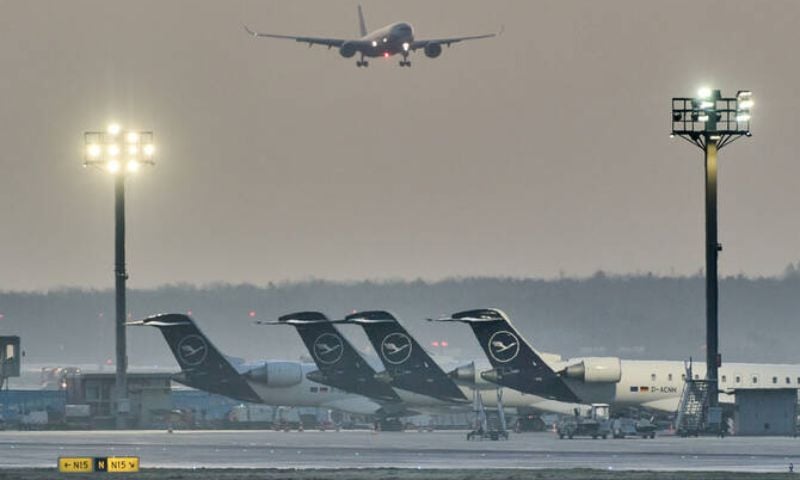
According to media reports, the pressure on the aviation sector is being compounded by rising fuel costs and labour-related disruptions. Germany’s flagship carrier, Lufthansa, has announced it will shut down its regional subsidiary, Lufthansa CityLine, permanently removing 27 aircraft from service as part of cost-cutting measures.
Meanwhile, Airports Council International Europe has warned the European Commission that jet fuel shortages could emerge by early May if oil tankers fail to resume transit through the Strait of Hormuz – a critical chokepoint for global energy supplies.
The head of the International Energy Agency (IEA), Fatih Birol, said Europe may have only around six weeks of jet fuel reserves remaining under current conditions. He described the unfolding situation as potentially the most severe energy crisis in recent history, cautioning that flight cancellations could begin imminently if supply routes remain disrupted.
“No country is immune,” Birol said, stressing that while wealthier nations may be better equipped to manage the shock, the crisis would have global repercussions. Experts suggest that the impact will not be uniform.
Major international hubs are likely to prioritise fuel allocation, while smaller regional and inland airports could face more frequent and prolonged disruptions. Analysts expect partial cancellations rather than a complete shutdown of air travel, though the scale of disruption will depend on how quickly supply chains stabilise.
As tensions continue to affect critical oil transit routes, airlines and regulators are closely monitoring the situation, with contingency planning underway to mitigate the anticipated fallout.