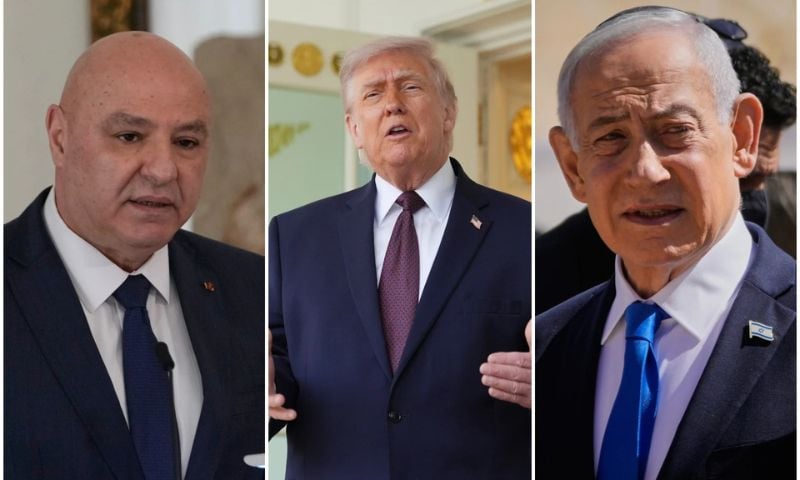
WASHINGTON: Israel and Lebanon have agreed to a 10-day ceasefire set to begin on Tuesday, US President Donald Trump said, following talks with leaders from both countries aimed at easing tensions.
In a post on his Truth Social platform, Trump said he had held “excellent conversations” with Lebanese President Joseph Aoun and Israeli Prime Minister Benjamin Netanyahu, adding that the ceasefire would formally commence at 5 p.m. EST as part of efforts to achieve lasting peace between the two sides.
Trump said that Netanyahu and Aoun struck the ceasefire agreement “in order to achieve PEACE between their Countries”.
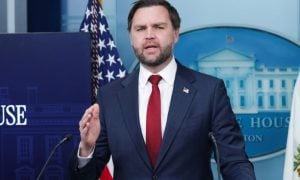
US Vice President JD Vance, Secretary of State Marco Rubio and Joint Chiefs Chairman Dan Caine will “work with Israel and Lebanon to achieve a Lasting PEACE,” Trump added.
In another post, Trump said he will invite Netanyahu and Aoun to the White House for what he described as the first meaningful talks between the two countries since 1983.
He added that both sides “want to see peace” and expressed confidence that progress would come “quickly.”
On Thursday, Lebanese President Joseph Aoun held separate calls with President Trump and US Secretary of State Marco Rubio.
In his call with Aoun, Trump emphasised “his commitment to meeting the Lebanese request for a ceasefire at the earliest possible time,” according to Aoun’s office.
A day before the call, Trump wrote in a social media post that Aoun would speak with Israeli President Benjamin Netanyahu on Thursday.
The current escalation began on March 2, when Hezbollah launched missiles into Israel in what it described as support for Iran amid the war.
Israel responded with a ground offensive in southern Lebanon that has since expanded, triggering widespread displacement.
Evacuation orders now cover roughly 15 percent of the country. Lebanon’s Health Ministry on Tuesday said the death toll since March 2 has climbed to 2,124, with 6,921 people injured.
The ceasefire comes as Pakistani mediators push Iran and the US back toward the negotiating table after talks between Washington and Tehran in Islamabad over the weekend concluded without a final agreement.
Iran has insisted that a ceasefire in Lebanon is a key condition for any agreement with the US.
Lebanese PM ‘welcomes’ ceasefire
Lebanese Prime Minister Nawaf Salam said he “welcomes” Trump’s announcement of a ceasefire with Israel.
Salam said he welcomes the ceasefire, “which is a key Lebanese demand that we have pursued since the very first day of the war” between Hezbollah and Israel.
“As I congratulate all Lebanese on this achievement, I pray for mercy upon the martyrs who have fallen, and I affirm my solidarity with their families,” Salam said
He also thanked a number of countries for their “efforts” to reach a ceasefire.
Meanwhile, European Commission president Ursula Von Der Leyen welcomed the ceasefire.
“This is a relief, as this conflict has already claimed far too many lives,” von der Leyen wrote on X, adding that it must lead to “permanent peace”.
“Europe will continue to call for the full respect of Lebanon’s sovereignty and territorial integrity,” she said.
Second round of US-Iran talks
Pakistan is trying to host another round of Iran-US talks in Islamabad, for which dates are being decided mutually.
The White House on Wednesday indicated that a second round of US-Iran talks is “very likely” to take place in Islamabad.
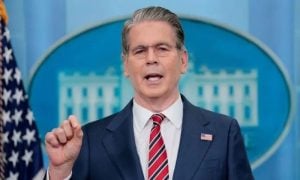
White House Press Secretary Karoline Leavitt said discussions were ongoing and expressed confidence in the prospects of a deal, while praising Pakistan’s role in facilitating dialogue.
“The Pakistanis have been incredible mediators throughout this process,” she said, adding that Washington intends to streamline communication through Islamabad.
US officials also confirmed that negotiations remain “productive and ongoing”, with backchannel contacts continuing through Pakistani intermediaries.
Washington and Tehran are moving closer to a potential agreement, officials said on Thursday, as Pakistan steps up efforts to host a second round of talks.
US officials also confirmed that negotiations remain “productive and ongoing”, with backchannel contacts continuing through Pakistani intermediaries.
The diplomatic push follows a two-week ceasefire after more than a month of war involving the United States, Israel, and Iran.
US Vice President JD Vance, who led initial talks, has described the negotiations as part of a potential “grand bargain” aimed at ending hostilities and addressing Iran’s nuclear programme.
While Washington has proposed a long-term suspension of uranium enrichment, Tehran maintains its right to civilian nuclear activity, highlighting key challenges ahead.