
Key Points
- Pakistan records a $1.07 billion current account surplus in March 2026
- Second-highest monthly surplus on record after March 2025
- External sector shows signs of sustained stabilisation
ISLAMABAD: Pakistan posted a current account surplus of $1.07 billion in March 2026, marking the second-highest monthly surplus on record and pointing to a strengthening external financial position.
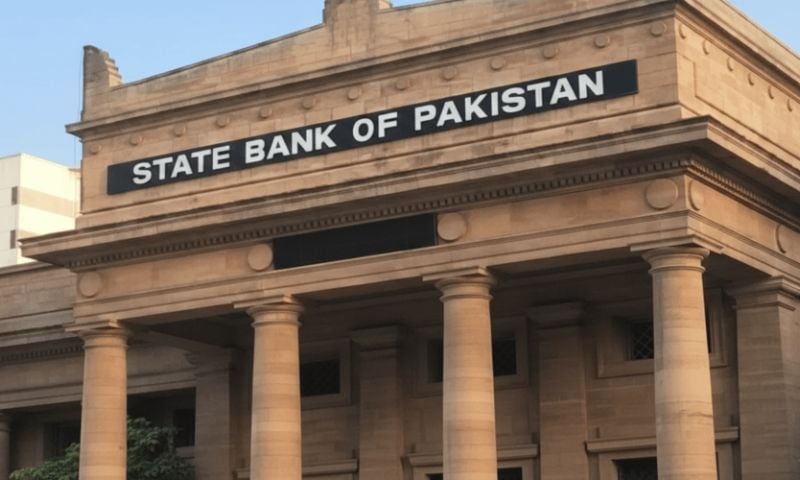
According to data released by the State Bank of Pakistan and shared by Finance Minister’s adviser Khurram Schehzad on his X post, the surplus comes just below the roughly $1.2 billion recorded in March 2025, underscoring a notable improvement in the country’s external account.
𝗣𝗔𝗞𝗜𝗦𝗧𝗔𝗡’𝗦 𝗘𝗖𝗢𝗡𝗢𝗠𝗜𝗖 𝗧𝗥𝗜𝗨𝗠𝗣𝗛 – 𝗣𝗢𝗦𝗧𝗦 𝟮𝗡𝗗 𝗟𝗔𝗥𝗚𝗘𝗦𝗧 𝗦𝗨𝗥𝗣𝗟𝗨𝗦 𝗜𝗡 𝗠𝗔𝗥𝗖𝗛 𝟮𝟬𝟮𝟲
Pakistan’s external account continues to strengthen, delivering a third consecutive monthly surplus in 2026.
𝗖𝘂𝗿𝗿𝗲𝗻𝘁 𝗔𝗰𝗰𝗼𝘂𝗻𝘁… pic.twitter.com/lReMKH2JhO
— Khurram Schehzad (@kschehzad) April 16, 2026
The current account, a key component of the balance of payments, measures the flow of goods, services, income, and transfers between a country and the rest of the world. A surplus indicates that inflows, such as exports and remittances, exceed outflows, including imports and external payments.
Momentum in the external sector
The strong March performance reflects broader stabilisation in Pakistan’s external sector, a term used to describe the country’s overall position in international trade and financial flows.
For the first nine months of the fiscal year (July–March FY26), the current account has recorded a marginal surplus of around $8 million, marking a turnaround from persistent deficits in previous years.
Economists say the shift highlights a narrowing gap between imports and exports, supported by controlled domestic demand, stable remittance inflows, and gradual improvements in export performance.
Drivers behind the surplus
Analysts attribute the surplus to a combination of factors, including restrained import growth and steady inflows of workers’ remittances, which remain a critical source of foreign exchange for Pakistan.
Import compression—often driven by policy measures and exchange rate adjustments—has helped reduce pressure on the external account. At the same time, relatively stable global commodity prices have limited the country’s import bill, particularly for energy.
These trends have contributed to the easing of pressure on foreign exchange reserves and the national currency, both key indicators of macroeconomic stability.
Why it matters
For Pakistan, which has historically faced recurring balance-of-payments challenges, a sustained current account surplus is seen as a positive signal.
It can help build foreign exchange reserves, reduce reliance on external borrowing, and improve investor confidence—factors that are closely watched by global financial institutions such as the International Monetary Fund.
A stronger external position also enhances the country’s ability to meet its international payment obligations and absorb external shocks.
Sustainability remains key
Despite the encouraging data, economists caution that maintaining a surplus over time will depend on structural improvements rather than temporary compression of imports.
As economic activity gains pace, demand for imports—particularly fuel and industrial inputs—is expected to rise. Without a corresponding increase in exports, this could widen the current account balance again.
Analysts emphasise the need for export diversification, productivity gains, and continued policy discipline to sustain external stability.
For now, the March surplus offers a clear indication that Pakistan’s external sector is on a firmer footing, even as challenges remain on the path to durable economic recovery.