ISLAMABAD: Backchannel diplomatic efforts led by Pakistan appear to have culminated in a breakthrough, as the United States and Iran agreed to a two-week ceasefire following weeks of escalating hostilities triggered by US-Israeli strikes in late February.
Islamabad is now at the centre of global attention as high-stakes talks between the United States and Iran are set to begin on Saturday, with Pakistan hosting negotiations aimed at reinforcing a two-week ceasefire and working towards a broader agreement.
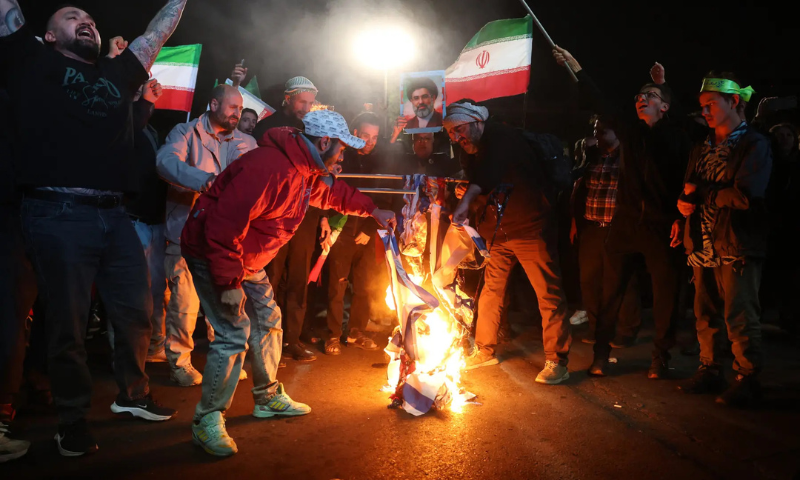
The conflict evolved through a cycle of military escalation, retaliatory attacks, and intense diplomatic engagement, ultimately leading to a fragile truce and plans for negotiations in Islamabad.
Below is a chronology of key events that shaped the crisis:
February 28 — Conflict Erupts
The United States and Israel launch coordinated air and sea strikes on Iran, with explosions reported in Tehran and other locations. Civilian casualties are reported, including in southern Iran.
Iran responds with attacks across the Gulf region, targeting infrastructure in multiple countries and escalating the conflict into a wider regional confrontation.
March 1 — Leadership Losses Confirmed
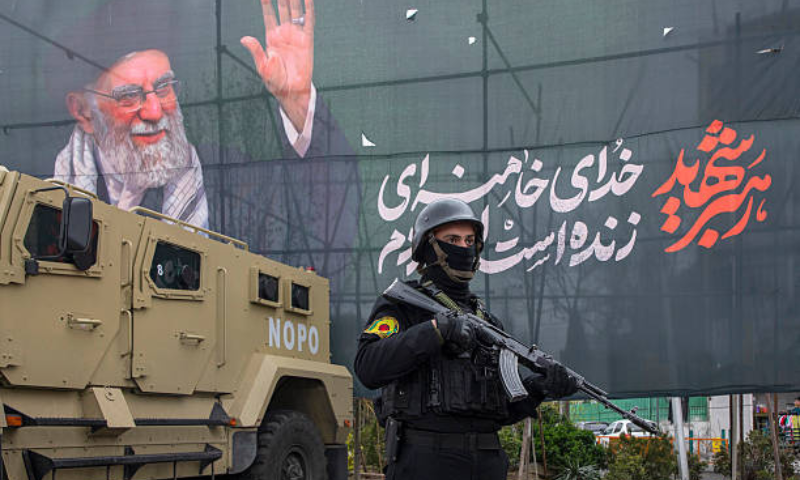
Iran confirms the deaths of senior leadership figures, including Supreme Leader Ayatollah Ali Khamenei, following the initial strikes.
Explosions and drone incidents are reported in Qatar and Oman, signalling the widening geographic scope of the conflict.
March 3 — Strategic and Cultural Sites Hit
Strikes damage key infrastructure in Iran, including the state broadcasting complex and the historic Golestan Palace, as the death toll rises significantly.
March 5 — Maritime Escalation
A US submarine torpedoes an Iranian naval vessel near Sri Lanka, resulting in heavy casualties. Tehran condemns the attack, warning of serious consequences.
March 9 — Leadership Transition
Iran appoints Ayatollah Mojtaba Khamenei as the new supreme leader, signalling continuity amid crisis. Iran also announces renewed missile strikes on Israel.
March 11 — Strait of Hormuz Becomes Flashpoint
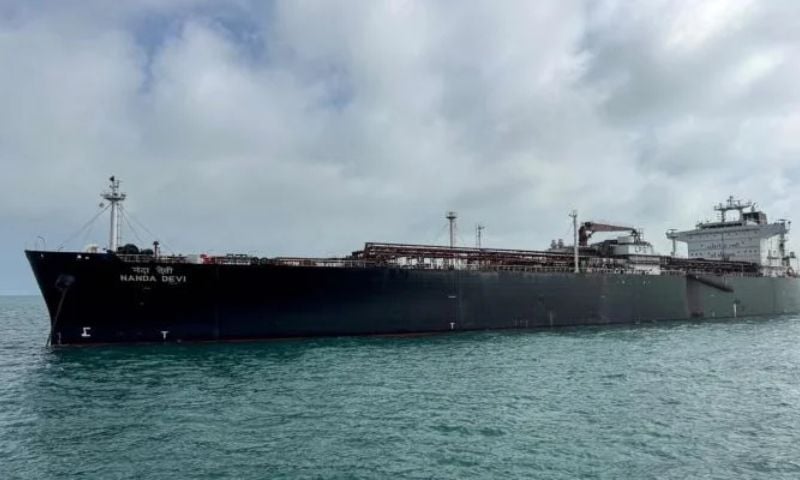
Attacks on commercial vessels near the Strait of Hormuz intensify, raising concerns over global oil supply disruptions and shifting the conflict’s strategic focus to maritime routes.
March 12 — Humanitarian Crisis Deepens
The United Nations reports millions displaced in Iran. Tehran accuses the US and Israel of targeting civilian infrastructure, while retaliatory strikes continue across the Gulf.
March 13 — Air War Intensifies
A US air refuelling aircraft is shot down over Iraq, marking a significant escalation. Armed groups claim responsibility.
March 14 — Energy Infrastructure Targeted
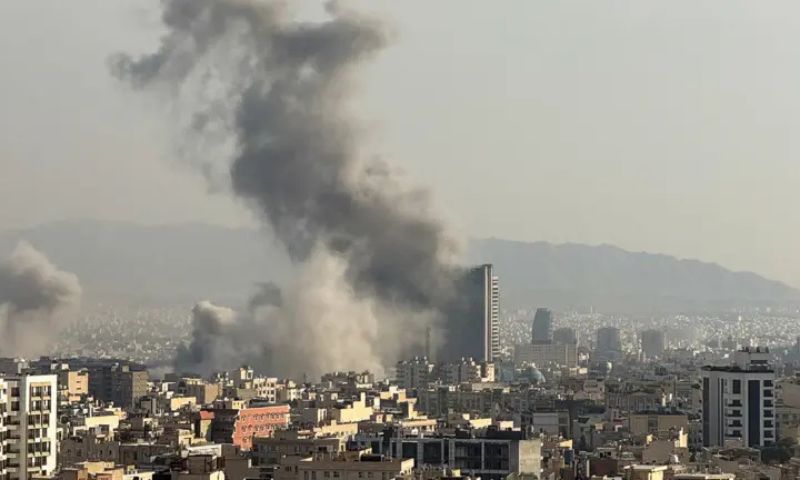
US forces strike Iran’s key oil export hub at Kharg Island, while missile activity is reported near Israel’s commercial centres.
March 17 — Senior Figures Killed
Iran confirms the deaths of key officials, including senior security figures, in continued strikes. Israel signals intent to further target Iran’s leadership.
March 20 — War’s Social Impact
Iran marks its new year under subdued conditions, with public life affected by conflict, economic strain and infrastructure damage.
March 22–23 — Threats and Temporary Pause
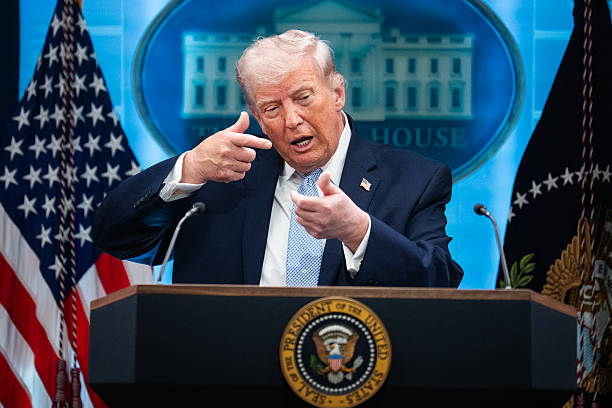
US President Donald Trump threatens major escalation but later announces a temporary pause in strikes, citing ongoing discussions with Iran.
March 24 — Pakistan Steps In
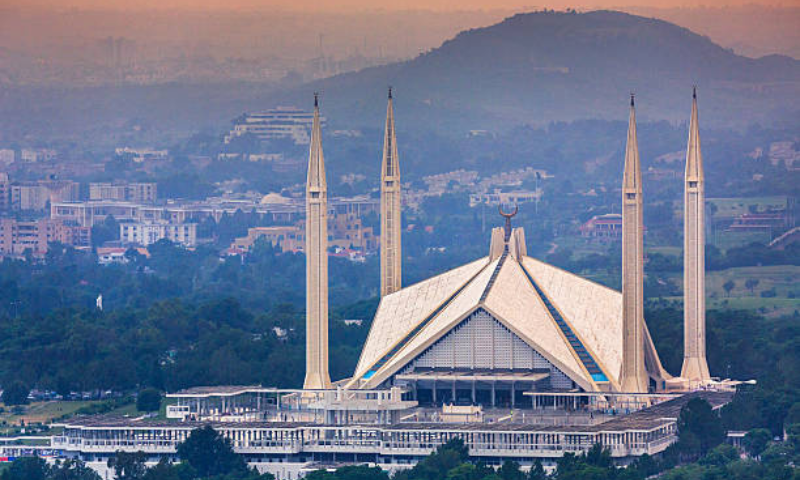
Pakistan, alongside Türkiye and Egypt, plays a key role in securing a temporary halt to planned US strikes, signalling the start of coordinated diplomatic efforts.
March 26–29 — Backchannel Diplomacy Intensifies
Pakistan confirms indirect US–Iran communication through diplomatic channels. Both sides express confidence in Islamabad’s role as a facilitator.
A high-level meeting in Islamabad involving regional stakeholders reinforces diplomatic momentum.
April 1 — Joint Diplomatic Initiative
Pakistan and China call for an immediate ceasefire and formal negotiations, unveiling a joint framework aimed at de-escalation.
April 2–7 — Escalation and Pressure Tactics
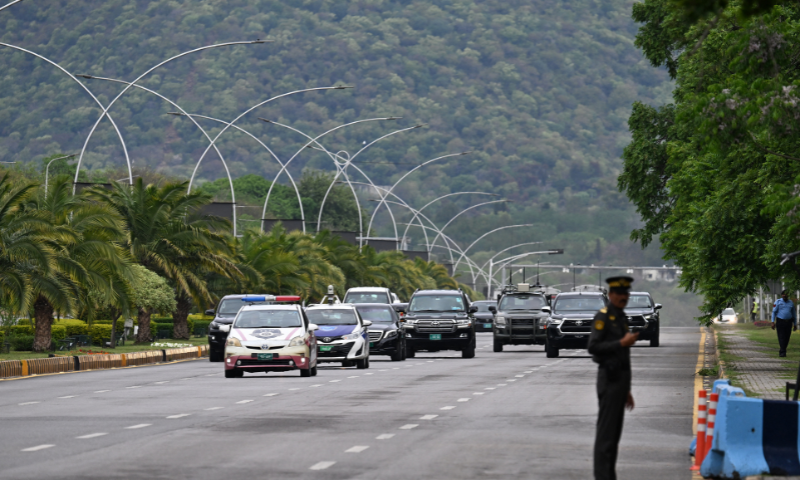
The United States signals readiness for further military action, while Iran conditions its participation in talks on acceptable terms.
Sharp rhetoric from both sides underscores the fragility of the situation even as diplomatic channels remain open.
April 8 — Ceasefire Announced
Pakistan announces a two-week ceasefire between Iran and the United States, including provisions related to regional de-escalation, and invites both sides to Islamabad for talks.
Prime Minister Shehbaz Sharif welcomes the agreement, describing it as a step towards lasting peace.
Aftermath
By the time of the ceasefire, thousands had been killed and tens of thousands injured, with widespread damage to civilian infrastructure reported.
While the truce has halted immediate hostilities, its durability remains uncertain, with upcoming talks in Islamabad seen as critical to shaping a longer-term resolution.
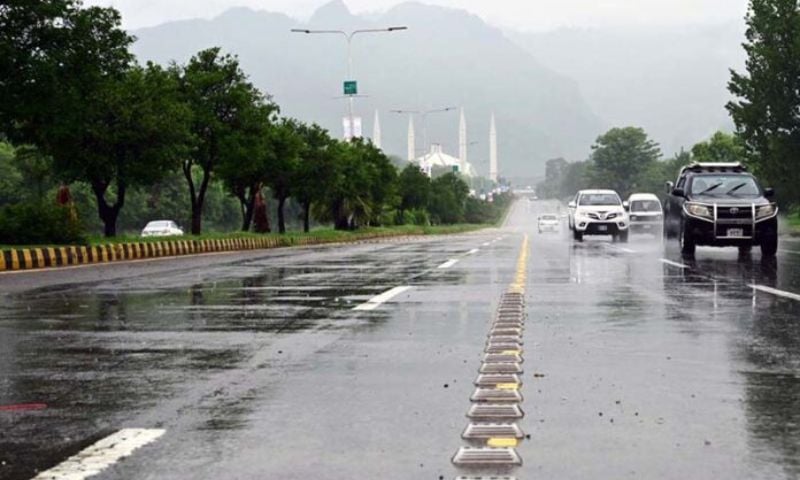
Optimism surrounds the talks; officials caution that significant challenges remain. With multiple contentious issues still unresolved, the talks are expected to be complex, with outcomes dependent on sustained diplomatic engagement.
For now, Islamabad stands at the centre of global attention — not as a political capital alone, but as a potential venue for a breakthrough that could reshape regional stability.