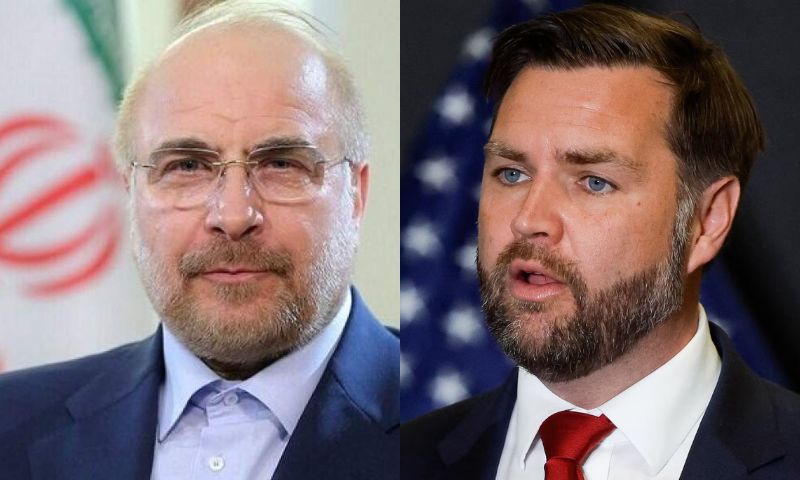



ISLAMABAD: The high-stakes diplomatic round in Islamabad brings together senior American and Iranian decision-makers, many of whom have long experience in wartime diplomacy, nuclear negotiations, and crisis management.
The talks are being hosted by Pakistan.
The US delegation includes:
JD Vance — Head of US delegation
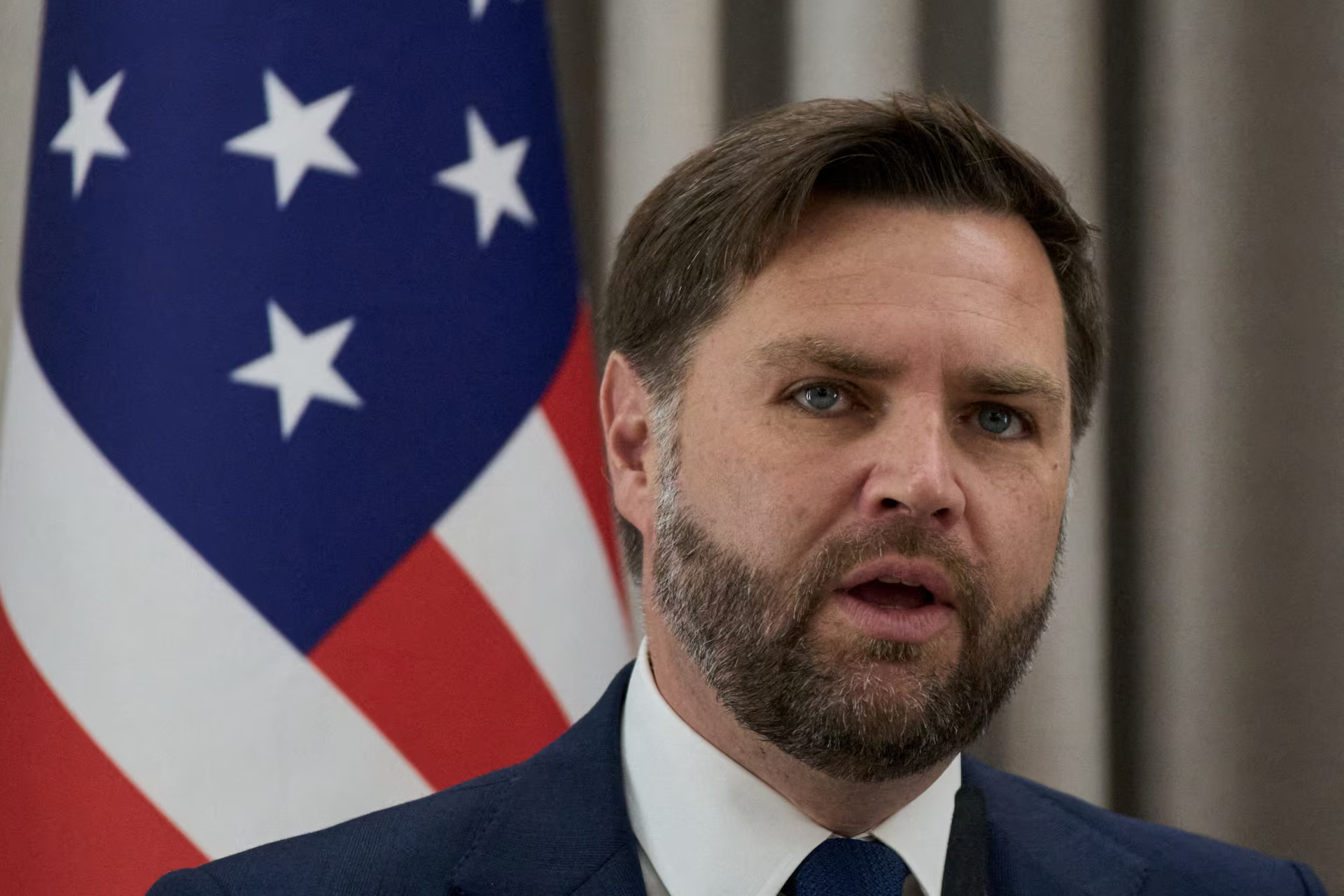
Age: 50
Position: Vice President of the United States
Education
Ohio State University (BA)
Yale Law School (JD)
Experience
Former US Marine Corps journalist (Iraq deployment)
Venture capitalist in Silicon Valley
US Senator (Ohio)
Vice President since 2025
Political thinking and approach
Known for a “realist, restraint-focused” foreign policy outlook
Skeptical of prolonged military interventions
Supports negotiation-first strategy but aligns with strong security guarantees
Seen as part of the Trump-aligned “America First diplomatic school”
Role in Talks
Leads US delegation
Expected to negotiate ceasefire durability, sanctions relief, and nuclear constraints
Steve Witkoff — Special Envoy
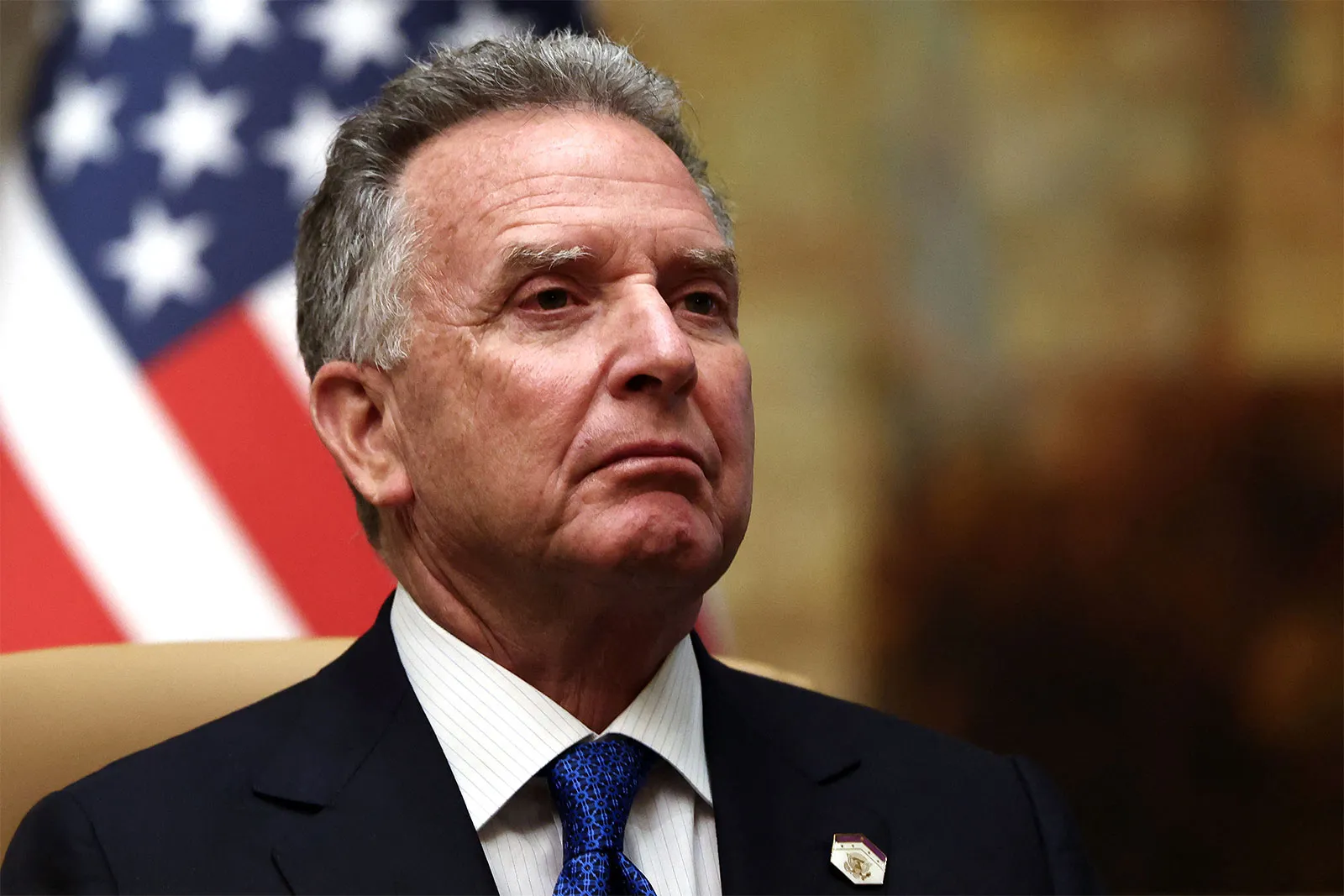
Age: 67
Position: US Special Presidential Envoy for Middle East Affairs
Education
University of Houston (JD equivalent legal studies background reported in profiles)
Experience
Real estate developer and investor
Key Trump-era diplomatic emissary in Middle East crises
Active in backchannel negotiations with Iran and Gulf states
Thinking and approach
Business-style negotiator
Prefers deal-based diplomacy over ideological framing
Focuses on rapid, transactional breakthroughs
Role
Backchannel operator and crisis negotiator in US–Iran framework discussions
Jared Corey Kushner
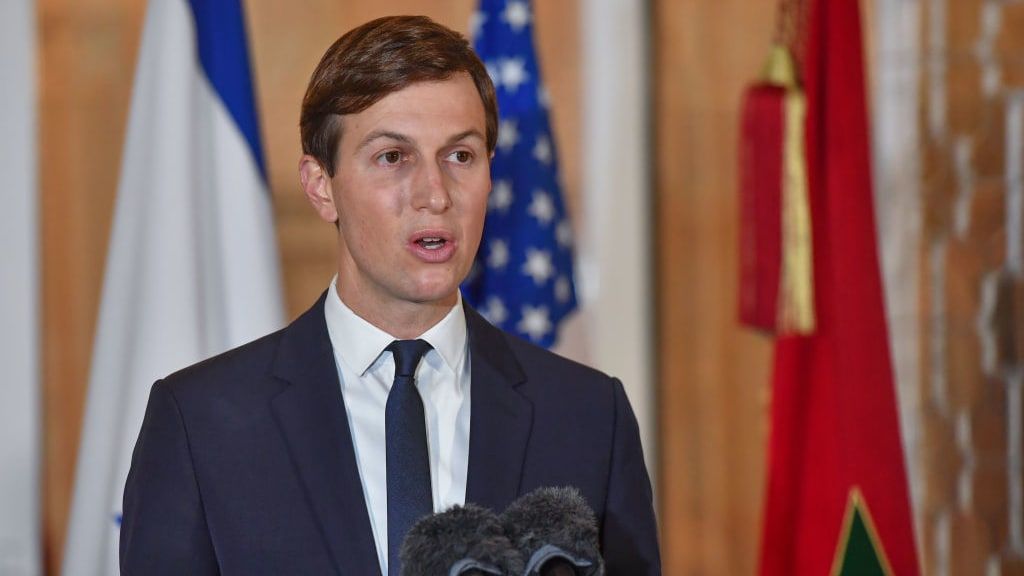
Position: Senior Presidential Adviser
Role: Strategic adviser focusing on regional political and economic settlement models
Age: 45
Education
Frisch School (Jewish yeshiva high school)
Harvard University – BA in Government (2003)
New York University (NYU) – JD and MBA (2007)
Career Background
Business Career
Real estate developer in New York City
Took over Kushner Companies after his father’s imprisonment
Major investor and property developer (including high-value Manhattan deals)
Founder of Affinity Partners (private equity firm, post-government career)
Political Role (Trump Administration 2017–2021)
Senior Advisor to the President of the United States
Director of the Office of American Innovation
Key responsibilities:
Middle East peace initiatives
Criminal justice reform
COVID-19 response coordination
Government modernization projects
Foreign Policy Role
Kushner became a central figure in U.S. diplomacy, especially in the Middle East:
Architect of the Abraham Accords (2020)
Helped normalize relations between Israel and several Arab states
Worked on Gulf diplomacy and regional economic agreements
Known for informal “backchannel diplomacy” style
Thinking and Style
Pragmatic and deal-oriented diplomat
Prefers economic incentives over ideological frameworks
Believes peace can be achieved through:
Regional trade cooperation
Strategic alliances
Leader-to-leader negotiations rather than institutions
Critics describe him as:
Unconventional in diplomacy
Closely tied to personal and business networks in the Middle East
Personal Life
Married to Donald Trump’s daughter Ivanka Trump (2009)
Three children
Son of real estate developer Charles Kushner
Key Identity Summary
Jared Kushner is a real estate billionaire-turned-political adviser, best known for his influential role in shaping Trump-era Middle East diplomacy, especially the Abraham Accords, and for operating at the intersection of business, politics, and foreign policy.
Jared Kushner is acting as a strategic behind-the-scenes negotiator in the Islamabad talks, focusing on economic incentives, deal structure, and informal diplomacy, rather than direct face-to-face nuclear bargaining.
Admiral Brad Cooper
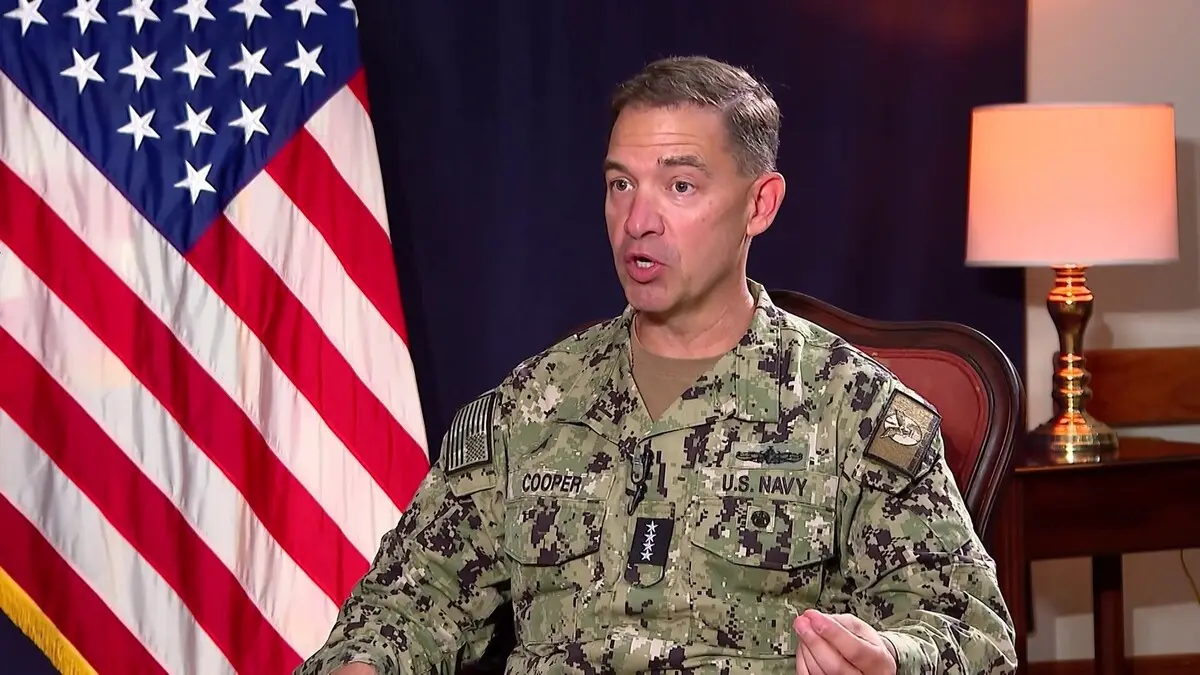
Position: Commander linked to CENTCOM (U.S. Central Command)
Role: Military-strategic adviser in negotiations (security and regional stability input)
Education
U.S. Naval Academy (Annapolis) – Bachelor’s degree (commissioned as Navy officer)
Advanced military education through U.S. Navy war colleges and staff programs
Military Career Overview
Vice Adm. Brad Cooper is a career surface warfare officer with extensive experience in:
Naval operations in the Middle East and Persian Gulf
Maritime security and coalition naval coordination
Counter-piracy operations in the Arabian Sea and Gulf of Aden
Command of multinational naval task forces
He has served in:
Destroyers and major surface combatant commands
Senior operational planning roles in U.S. Central Command
Coalition maritime security structures involving allied navies
Strategic Focus Areas
His work has centered on:
Maritime security in the Middle East
Protection of international shipping lanes (Hormuz, Red Sea, Arabian Sea)
Coordination between U.S. Navy and allied forces
Deterrence of regional naval escalation
Leadership style and thinking
Brad Cooper is widely described as:
Operationally focused and coalition-oriented
Strong advocate of multinational maritime cooperation
Emphasizes:
Freedom of navigation
Deterrence through presence
Avoiding escalation at sea through coordinated patrols
He is generally seen as a military strategist rather than a political figure, focusing on stability of maritime routes rather than diplomatic negotiations.
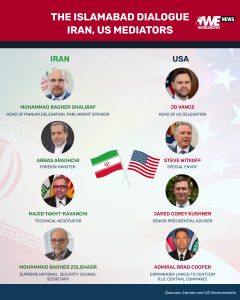
The Iranian delegation includes:
Mohammad Bagher Ghalibaf –head of Iranian delegation, parliament speaker
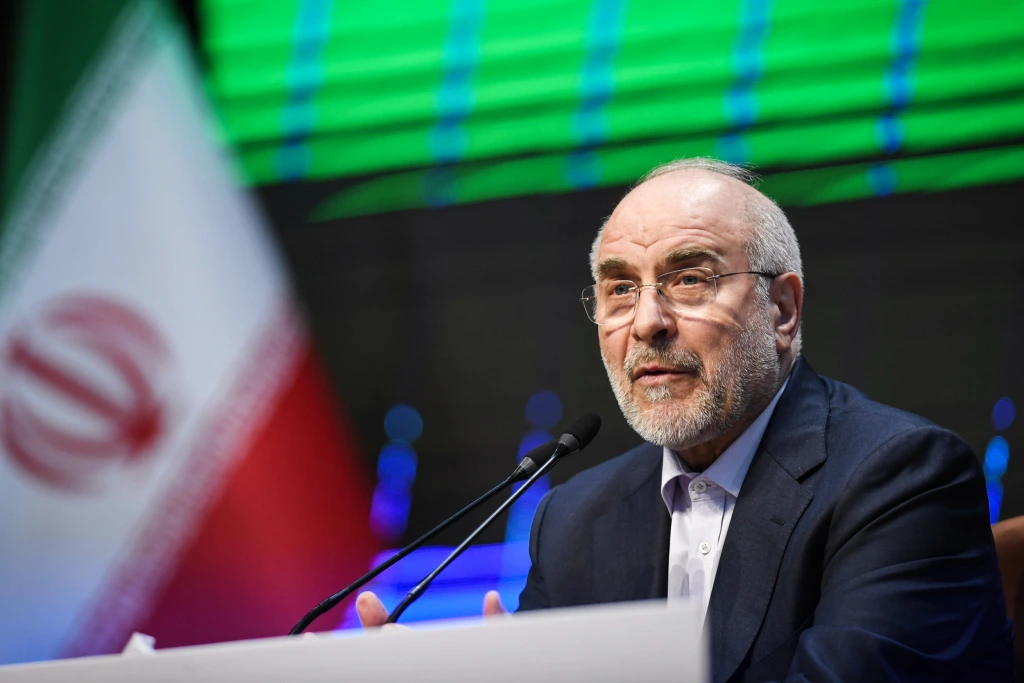
Age: 64 years
Birthplace: Torghabeh near Mashhad, Iran
Education
University of Tehran
Tarbiat Modares University
PhD in Political Geography
Also has background in human geography and political science
Military Background
Joined revolutionary forces during Iran-Iraq War (1980s)
Former IRGC commander
Commander of:
IRGC Aerospace Force (1997–2000)
Police Chief of Iran (2000–2005)
Political Career
Mayor of Tehran (2005–2017)
Member of Iran’s Expediency Discernment Council (2017–2020)
Speaker of the Iranian Parliament (since 2020–present)
Multiple-time presidential candidate (2005, 2013, 2017, 2024)
Political Role and Influence
Strong ties to Iran’s military and security establishment
Seen as one of the most influential non-clerical political figures in Iran
Known for combining:
Security background
Administrative governance experience
Strong establishment connections
Political thinking (General assessment)
Supports strong centralized governance
Emphasizes security, national strength, and resistance policy
Critical of Western pressure policies, especially sanctions
Abbas Araghchi (Foreign Minister)
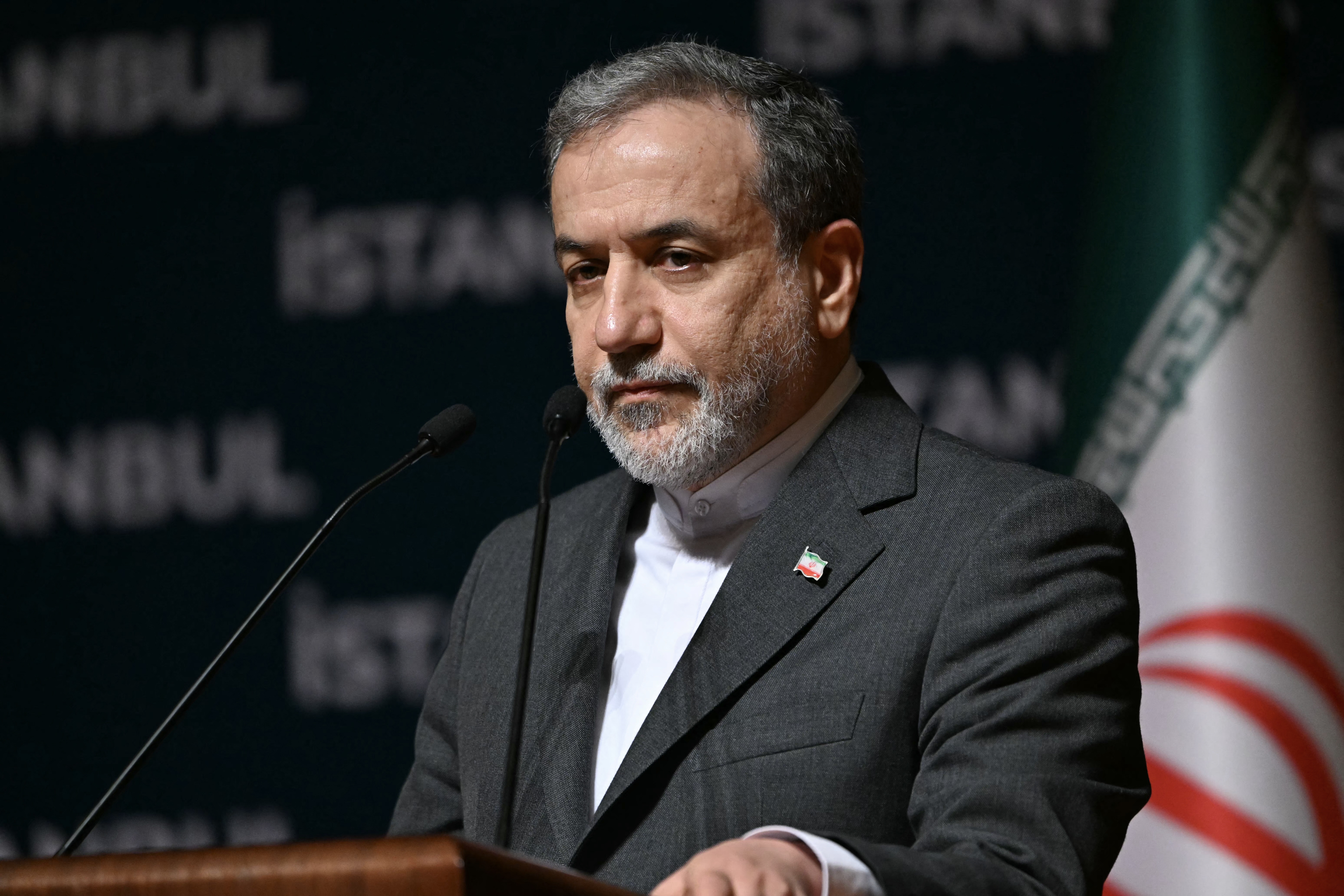
Education
University of Tehran (International Relations)
PhD-level diplomatic training in Iran’s foreign service system
Experience
Senior Iranian diplomat since the 1980s
Key negotiator in Iran’s nuclear diplomacy, including earlier US–Iran talks
Thinking / Approach
Described by diplomats as a “hard but pragmatic negotiator”
Supports nuclear compromise frameworks but demands sanctions relief
Emphasizes sovereignty and strategic deterrence
Role
Second Chief Iranian negotiator in Islamabad talks
Central figure in drafting Iran’s 10-point ceasefire proposal
He is known as a pragmatic diplomat who prefers engagement and technical negotiations over confrontation. He played a central role in the original 2015 Joint Comprehensive Plan of Action (JCPOA) talks as chief negotiator.
He advocated for sanctions relief in exchange for limits on Iran’s nuclear programme, which is a politically divisive issue within Iran. Araghchi has consistently pushed for diplomacy as the best path to protect Iranian interests, even after the US withdrawal from the JCPOA.
His calm, professional style contrasts with harder-line figures in the Iranian government. As current foreign minister, he can speak authoritatively on behalf of his government on key issues like the nuclear programme, verification mechanisms, and sanctions relief – areas critical to any lasting deal between Iran and the US.
His inclusion will allow Iran to present detail-oriented positions rather than blanket proposals. Working alongside Ghalibaf, Araghchi will balance revolutionary firmness with diplomatic nuance.
Majid Takht-Ravanchi — Technical Negotiator
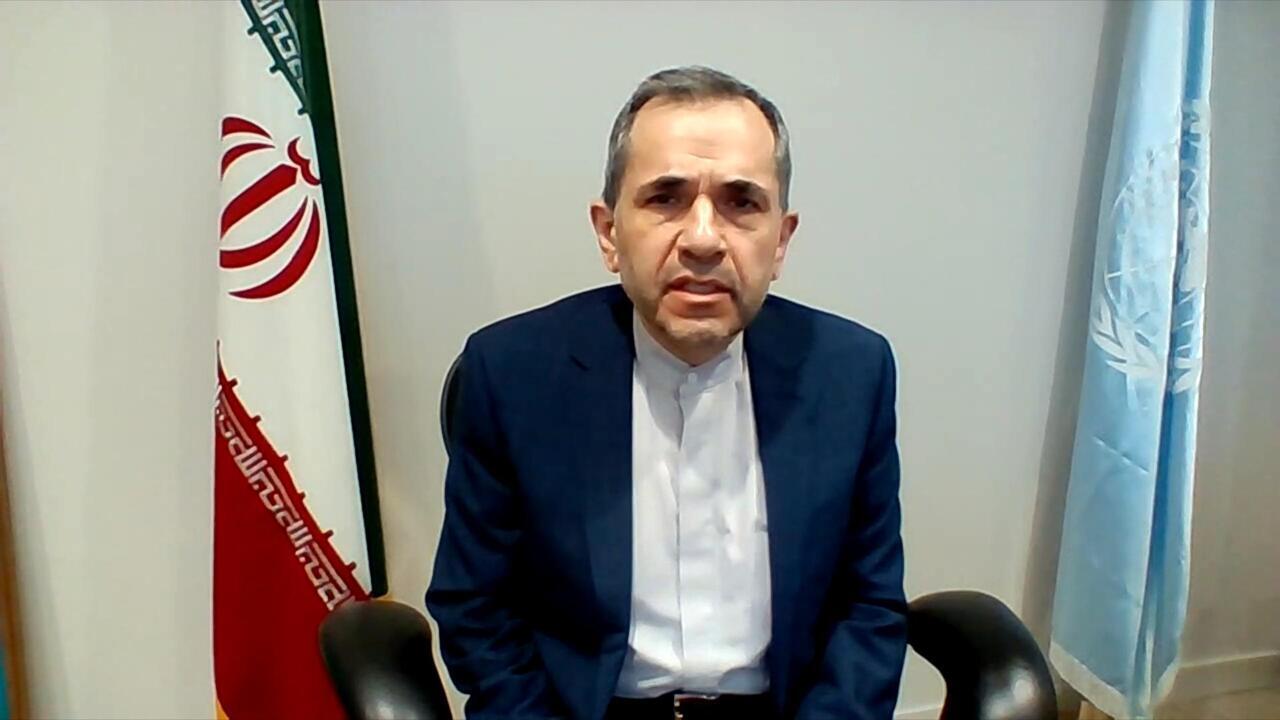
Age: 61
Position: Senior Deputy Foreign Minister / Negotiation expert
Education
University of Bern (Political Science / Economics)
Experience
Former Iranian ambassador to the United Nations
Key participant in 2015 nuclear negotiations (JCPOA framework)
Longtime technical strategist in sanctions and nuclear diplomacy
Thinking
Technocratic negotiator focused on legal and verification frameworks
Prefers structured, phased agreements with clear enforcement mechanisms
Role
Leads technical drafting teams on nuclear and sanctions issues.
Mohammad Bagher Zolghadr — Supreme National Security Council Secretary
Iran
Position: Secretary of Iran’s Supreme National Security Council
Age: In his 60s
Education
Background in military command training and strategic security studies within Iran’s defence institutions
Experience
Senior figure in Iran’s security establishment with decades of experience in military and strategic affairs
Former senior commander in the Islamic Revolutionary Guard Corps (IRGC)
Held key roles in Iran’s national security and law enforcement structures, including involvement in strategic policy planning
Has worked closely with Iran’s top leadership on defence, intelligence, and internal security matters
Thinking
Represents a security-first perspective within Iran’s policymaking structure
Emphasises national sovereignty, internal stability, and resistance to external pressure
Seen as a hardline strategist with deep institutional influence in Iran’s security architecture
Role in Talks
Provides high-level security and strategic input to the Iranian delegation
Acts as a key link between diplomatic negotiators and Iran’s national security decision-making apparatus
Expected to play an important role in shaping Iran’s position on ceasefire enforcement, regional security guarantees, and verification mechanisms
Islamabad, centre of global attention
For now, Islamabad stands at the centre of global attention — not as a political capital alone, but as a potential venue for a breakthrough that could reshape regional stability.
The capital has been placed under extraordinary security arrangements, and authorities have effectively locked down Islamabad’s Red Zone, with key arteries including D-Chowk, Constitution Avenue, and routes leading to the Serena Hotel — the expected venue of the talks — sealed off or heavily restricted.
Only authorised vehicles are being allowed with limited access, while thousands of security personnel have been deployed across sensitive locations.
Delegations are expected to arrive in Islamabad on Friday, with formal negotiations scheduled for Saturday.