Key Points
- Strait of Hormuz remains strategically critical waterway.
- Ceasefire agreed between US and Iran recently.
- Shipping traffic still heavily disrupted in region.
- Over 800 vessels reportedly stuck in Gulf waters.
- Talks between US and Iran planned in Islamabad.
ISLAMABAD: US President Donald Trump has cautioned Iran against any attempt to charge tolls on commercial vessels moving through the Strait of Hormuz, calling on Tehran to halt such actions immediately if they have begun.
In a post on his social media platform, Trump said he had seen reports of Iran levying fees on tankers and warned that such measures “better not be” taking place. He added that if they were, they should “stop now,” signalling possible US opposition to any new arrangement that gives Tehran financial leverage over the key shipping route.
Trump has previously floated the idea of the US itself managing or benefiting from passage fees through the waterway, arguing that Washington, as the “winner,” should control such revenue mechanisms.
Hormuz management
Iranian officials have indicated that the status of the strategic strait may be entering a new phase following years of regional confrontation and recent hostilities.
Iran’s supreme leader, Mojtaba Khamenei, said Tehran intends to seek compensation for war-related damages and hold its adversaries accountable. He also suggested that the management of the Strait of Hormuz would be significantly revised going forward.
Iran has previously argued that any potential transit fees could help fund post-conflict reconstruction, though such proposals remain highly controversial under international maritime norms, which generally guarantee free navigation through key waterways.
Shipping disruption persists
The exchange comes despite a recently announced ceasefire agreement between the United States and Iran, aimed at easing tensions following weeks of conflict.
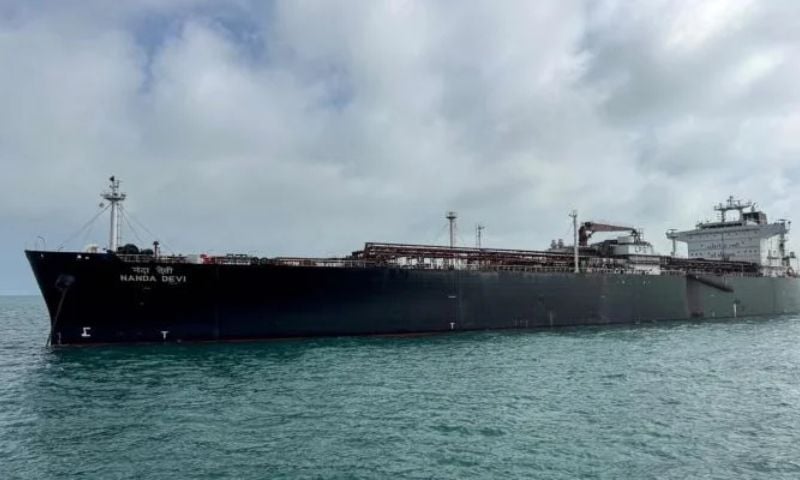
Under the agreement, the Strait of Hormuz was expected to reopen, although shipping activity remains heavily disrupted. More than 800 vessels are reportedly still delayed in the region, while only a handful of ships have recently exited compared to normal daily traffic levels.
Diplomatic talks between Washington and Tehran are expected to take place this weekend in Islamabad, with mediation efforts aimed at stabilising the fragile ceasefire and preventing further escalation in one of the world’s most critical energy corridors.
The Strait of Hormuz remains central to global oil and liquefied natural gas shipments, making any disruption a major concern for international markets.