Key Points
- Prime Minister directs full digitalisation of National Tariff Commission operations
- Institutional reforms underway to improve efficiency and transparency
- Focus on investor facilitation and protection from procedural complexities
ISLAMABAD: Pakistan is advancing a broad institutional reform agenda aimed at improving regulatory efficiency, strengthening investor confidence and enhancing the country’s trade and industrial competitiveness.
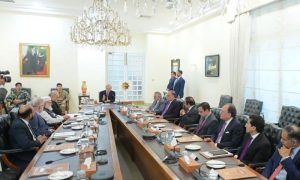
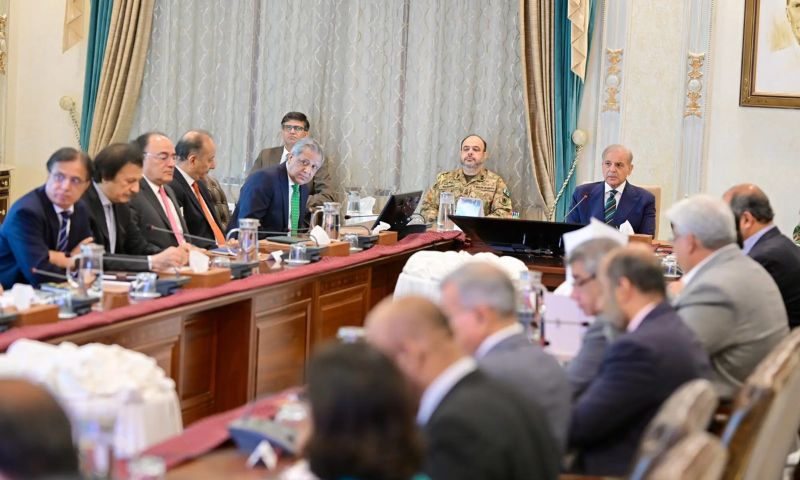
Prime Minister Shehbaz Sharif on Tuesday directed that all operational functions of the National Tariff Commission be fully digitised to ensure greater transparency, efficiency and quality in decision-making.
Chairing a review meeting in Islamabad on ongoing reforms, the prime minister assessed progress on legal, administrative and financial restructuring being carried out under a previously approved roadmap.
According to a statement, officials briefed the meeting on measures already underway to modernise the institution in line with international standards and improve its effectiveness as Pakistan’s key trade remedies authority.
Following institutional restructuring, the commission’s performance must be strengthened to support domestic industry growth and attract investment, the statement quoted the PM as saying during the meeting.
He directed the authorities concerned to address the legal and administrative bottlenecks through a comprehensive strategy aimed at promoting industry, trade and investment.
He also required them to ensure that investors and industrialists are facilitated and protected from procedural and legal complexities.
The premier also instructed officials to review best international practices to align the commission’s structure and performance with global benchmarks.
The National Tariff Commission, established under the National Tariff Commission Act 2015, functions as Pakistan’s statutory trade remedies authority responsible for investigating dumping, subsidised imports and import surges that may harm the domestic industry.